 Angel Doris
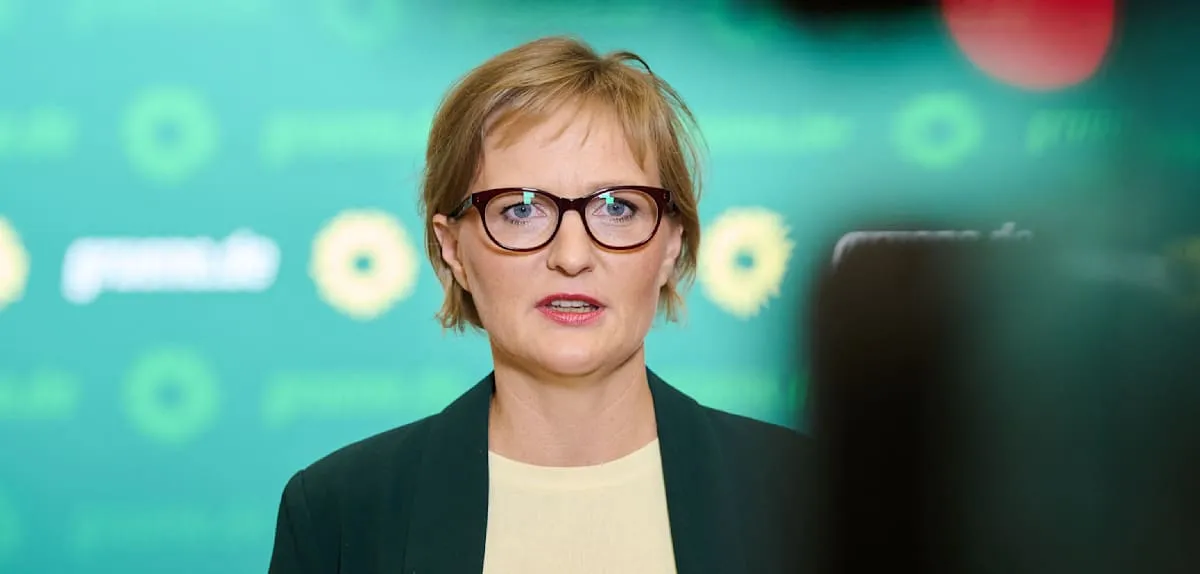
BERLIN – The leader of the Green Party (Bundnis 90/Die Grune), Franziska Brantner, has emphatically demanded that the Social Democratic Party of Germany (SPD) restart the expulsion procedure against former Chancellor Gerhard Schroder. This demand follows Schroder's attendance at Russian President Vladimir Putin's birthday celebration, an act Brantner labeled 'politically unbearable' amidst the current global geopolitical situation.
Schroder's presence, as a former head of government from the SPD, at Putin's birthday celebration has triggered a wave of sharp criticism from across Germany's political spectrum. Brantner, in her statement, underscored the urgency for the SPD to take a firm stance against members whose actions are perceived as inconsistent with democratic values and international solidarity.
'Gerhard Schroder's behavior is politically unbearable. The SPD must put a new expulsion procedure against him back on the table,' Brantner stated, issuing a strong appeal to the SPD leadership. She emphasized that there is no room for ambiguity in relations with regimes that threaten global stability.
Criticism of Schroder is not new. His close ties with Russia, including his positions in Russian state-owned energy companies after his chancellorship, have long been a focal point. However, a private visit to Putin amidst international tensions in 2026 has reignited public and political outrage.
The Green Party and several other factions in the Bundestag have consistently voiced concerns regarding Russian influence in German politics. Schroder, by his presence at Putin's celebration, is seen as undermining Germany's efforts to position itself clearly on crucial issues.
Although the SPD had previously rejected attempts to expel Schroder, current political pressure indicates a potential shift in stance. The SPD's decision to re-examine this case will be a test of the party's credibility in the eyes of the public and its international partners.
Gerhard Schroder, who served as Chancellor of Germany from 1998 to 2005, has long been a controversial figure post-chancellorship due to his proximity to Moscow. Critics argue that his actions harm Germany's reputation and the integrity of the country's foreign policy.
Some political analysts describe this incident as a potential internal crisis for the SPD, especially leading up to the Emergency Summit led by Chancellor Merz to discuss German democracy. How the SPD handles Brantner's demands will significantly impact the party's image and internal cohesion.
History has shown how politically influential individuals can become a liability for their parties if their actions are deemed contrary to fundamental principles. Schroder's case adds to the long list of ethical and political dilemmas that parties in the modern era must confront.
The challenge for the SPD is to balance individual members' freedom with the need to maintain the party's integrity and moral standing on the global stage. The decision to be made is expected to reflect the SPD's commitment to democratic values and international justice.
Editorial Insight: Franziska Brantner's demand for Gerhard Schroder's expulsion from the SPD reflects an escalation of political dissatisfaction with the former chancellor. This incident has the potential to trigger a serious debate within the SPD regarding ethical boundaries and political loyalty, especially in the context of increasingly complex international relations. The SPD's next steps will be crucial in determining the direction of German foreign policy and the party's integrity.