 Stefani Rindus

JAKARTA – Significant hormonal shifts during menopause not only affect overall physical health but also pose major challenges to women's hair vitality and appearance. As we enter 2026, dermatologists and researchers continue to unravel the mysteries behind this phenomenon, offering more personalized and effective treatment breakthroughs. Hair loss, thinning, and changes in hair texture can now be managed with a holistic approach that combines the latest scientific knowledge and healthy lifestyle practices.
Menopause, a natural phase in a woman's life, often brings unexpected impacts on hair health. The decline in estrogen and progesterone production is the primary trigger for a series of problems. Hair tends to become drier, more brittle, loses its luster, and even experiences significant shedding. This condition often causes concern and lowers self-confidence for many women.
Experts explain that hair follicles have hormone receptors, so fluctuations in estrogen and androgens during menopause directly influence the hair growth cycle. The anagen (growth) phase becomes shorter, while the telogen (resting) phase lengthens, resulting in more hair shedding and slower regrowth. Accurate diagnosis is a crucial step in determining the most suitable treatment regimen.
Recent research in 2026 indicates that a multi-strategy approach yields optimal results. This includes not only topical treatments but also nutritional interventions, lifestyle changes, and advanced medical therapies. The focus is on revitalizing hair follicles, improving scalp circulation, and hormone balancing when possible through supplements or hormone replacement therapy (HRT) strictly supervised by a doctor.
Some common hair changes that require special attention include:
- Hair Loss: Diffuse thinning across the scalp or specific patterns of shedding.
- Hair Thinning: Hair strand diameter decreases, making hair appear less voluminous.
- Dryness and Brittleness: Hair loses natural moisture and becomes prone to breakage.
- Texture Changes: Hair may become coarser or transform into thinner, finer strands.
- Color Changes: Although not directly from menopause, the aging process often coincides with graying and reduced hair pigment quality.
Innovative treatment solutions rapidly evolving in 2026 encompass various options, ranging from hair growth serums formulated with biomimetic peptides, the use of essential vitamin and mineral supplements like biotin, zinc, and vitamin D, to low-level laser therapy (LLLT) that can stimulate hair follicles. The availability of specialized hair dyes with minimal ammonia and enriched with moisturizing ingredients is also increasing.
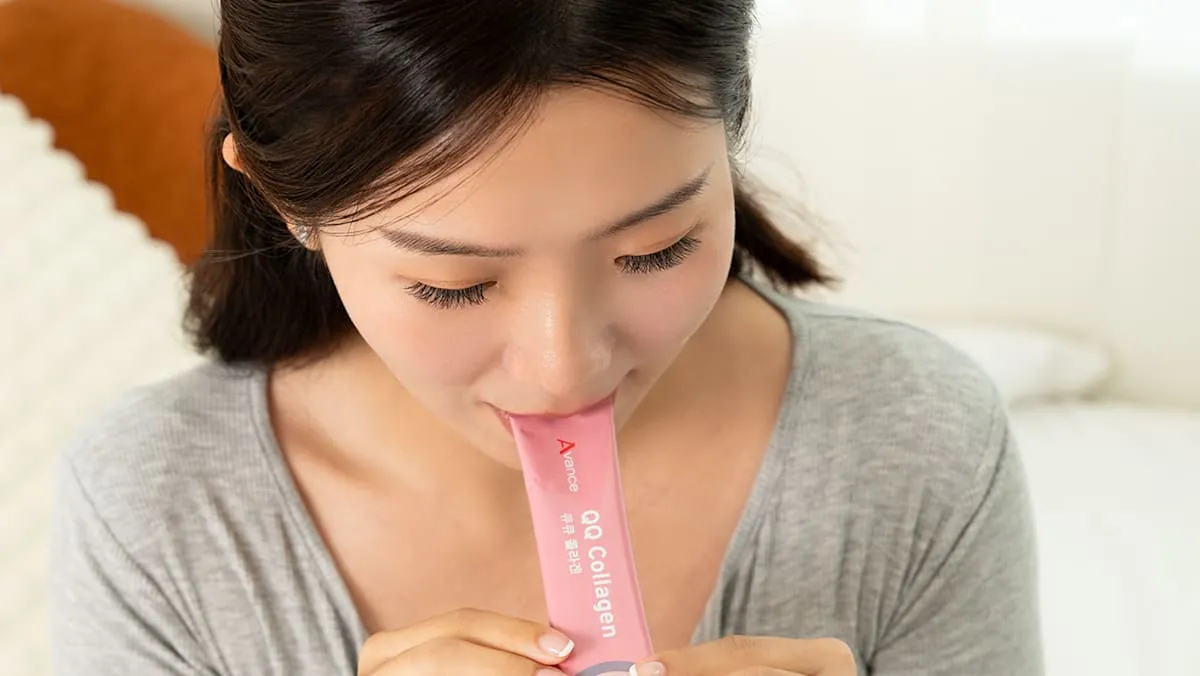
The importance of maintaining scalp health should not be overlooked. Using gentle, sulfate-free shampoos and conditioners containing ingredients like hyaluronic acid or collagen can help maintain scalp hydration and elasticity. Regular scalp massages can improve blood flow and nutrient delivery to hair follicles.
Furthermore, lifestyle aspects play a vital role. A balanced diet rich in protein, omega-3 fatty acids, and antioxidants is the foundation for healthy hair. Stress management through meditation or yoga has been shown to reduce the negative impact of cortisol hormones on hair growth. Adequate sleep and optimal hydration are equally important supporting factors.
Consultation with a dermatologist or trichologist is a wise step. They can perform a comprehensive evaluation, including blood tests to determine hormone and nutrient levels, and recommend a personalized treatment program. PRP (Platelet-Rich Plasma) therapy is one of the advanced options gaining popularity for naturally stimulating hair growth.
Innovation in the hair care industry continues, with the development of technologies capable of targeting the root causes at a cellular level. Products containing phytohormones or botanical active ingredients also offer alternatives for those seeking more natural solutions to address menopausal hair changes.
Editorial Insight: This report highlights the evolving understanding and treatment of menopausal hair. With an increasing number of science-based and personalized treatment options, the stigma associated with hair changes in older age can be minimized. The focus on a holistic approach, combining medical interventions with lifestyle, indicates a paradigm shift towards empowering women to embrace every phase of life with confidence, including in 2026 as technology continues to offer new solutions.