 Dodi Irawan
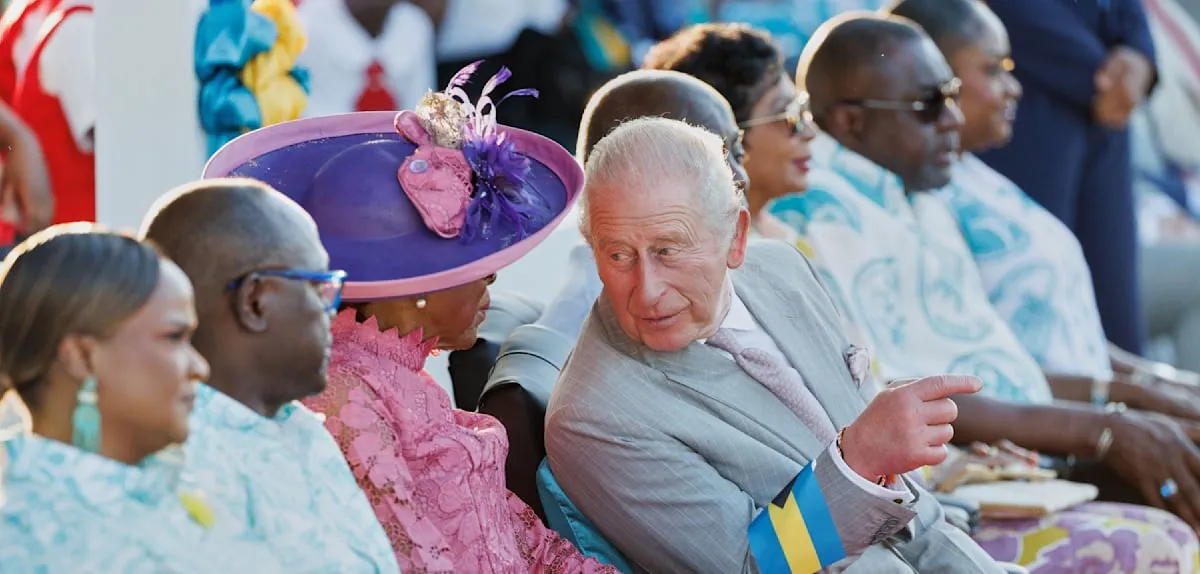
Caribbean – King Charles III has openly acknowledged the 'great suffering and injustices' caused by Britain's role in the transatlantic slave trade. This historic admission was made during a royal visit to the Caribbean region, responding to ongoing demands from island nations calling for accountability and reparations for the dark legacy of colonialism.
For years, Caribbean nations have persistently urged London to thoroughly investigate the United Kingdom's involvement in slavery practices that subjected millions of lives to brutality. These calls extend beyond mere historical recognition, delving into substantial debates concerning economic reparations and restorative justice.
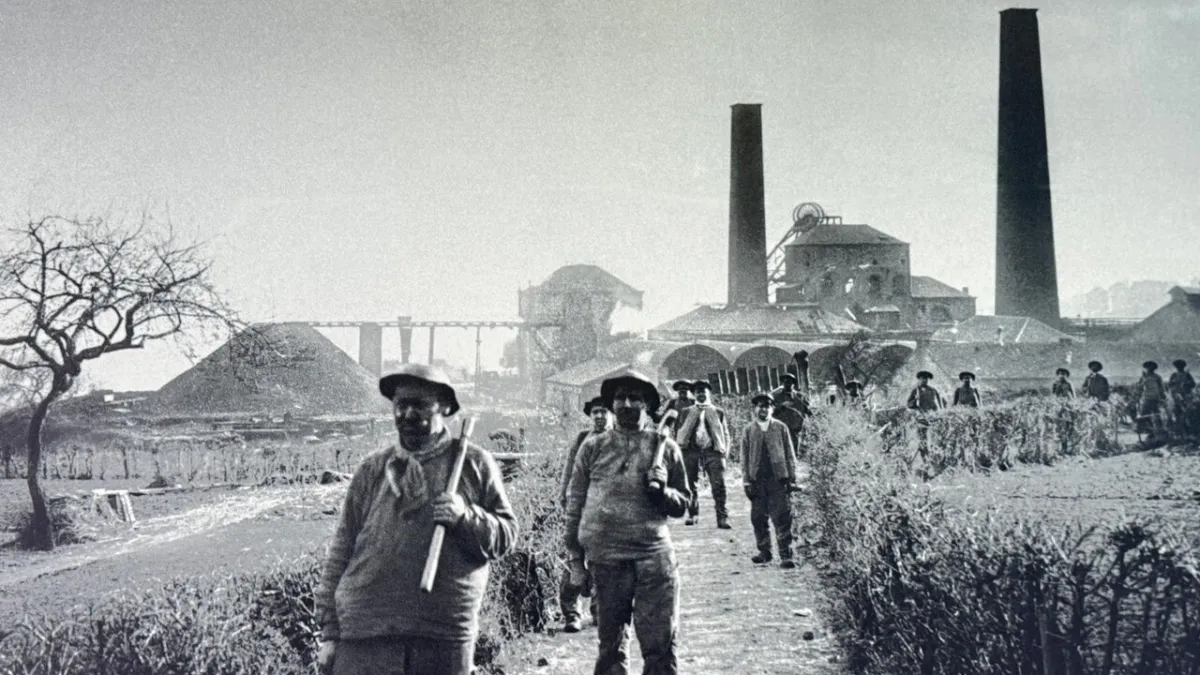
The transatlantic slave trade represents one of the darkest chapters in human history, where millions of Africans were abducted, enslaved, and forcibly transported across the Atlantic Ocean to colonies in the Americas and the Caribbean. The British Crown, through its merchants and plantation owners, played a central role in this cruel system of exploitation for centuries.
King Charles III's statement marks a significant moment. While his predecessors, including the late Queen Elizabeth II, had expressed regret, an explicit acknowledgment of 'great suffering and injustices' from a reigning monarch carries a different diplomatic and symbolic weight. This is seen as a step forward in a complex dialogue.
Caribbean leaders, including representatives from the Caribbean Community (CARICOM), have repeatedly affirmed that recognition alone is insufficient. They demand concrete reparations programs, including investments in infrastructure, education, and health, as compensation for the enduring economic and social damage caused by slavery.
The issue of reparations is inherently fraught with challenges. Debates revolve around the appropriate forms of reparations, who should receive them, and how to quantify centuries of loss. The British government itself has not given clear indications regarding its willingness to directly pay financial compensation.
In the United Kingdom, public opinion regarding reparations remains divided. While much of the public may support historical acknowledgment, the idea of large-scale financial reparations tends to provoke intense debate about economic implications and intergenerational justice.
This case also highlights broader discussions about historical justice and the colonial legacy that continues to haunt many nations. Similar events, such as the alarming wave of antisemitism in Germany in 2026, demonstrate how historical trauma continues to resonate in modern societies, demanding reflection and action.
King Charles III's move is expected to strengthen Commonwealth relations, particularly with Caribbean nations, many of whom are Commonwealth members and still recognize the British monarchy as head of state. However, some countries have expressed intentions to transition to a republic.
The future of the reparations movement remains uncertain, but the acknowledgment from the head of the British monarchy is a crucial turning point. It paves the way for deeper dialogue and potential concrete actions, though the journey will be long and full of negotiation.
Editorial Insight: King Charles III's acknowledgment of the 'great suffering and injustices' caused by transatlantic slavery is a significant symbolic step, but its essence lies in the concrete actions that will follow. The British monarchy now stands at a crossroads: will this be a mere recognition, or the beginning of a new era of genuine accountability and restorative justice for nations that have suffered for so long? The pressure from the Caribbean for reparations is not just about money; it is about full acknowledgment of past dehumanization and rebuilding dignity and an equitable future. Failure to follow through seriously could diminish the monarchy's relevance in the eyes of millions of Commonwealth citizens.