 Chandra Wijayanto
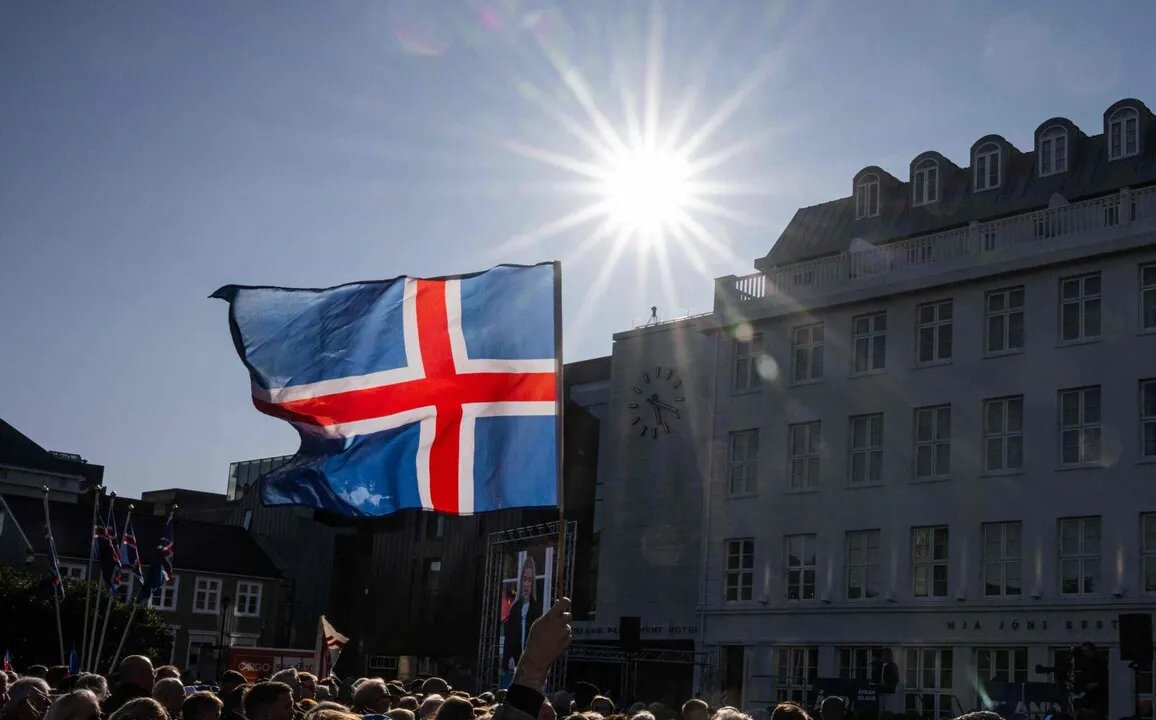
REYKJAVIK – A crucial referendum in Iceland concerning the continuation of accession negotiations with the European Union (EU) has shown a significant shift. After a tight race, the camp opposing the reopening of EU membership talks has managed to secure a narrow lead, a strong indication of the future direction of Iceland's foreign policy.
Preliminary vote counts, which are still being updated, suggest that the majority of votes tend to disagree with continuing efforts to accede to the European bloc. This momentum effectively pushes the North Atlantic island nation away from potential membership that has long been a subject of public debate.
This decision carries significant implications. If the lead of the rejection camp holds until the final count, Iceland is likely not to reopen formal dialogue to join the European Union. This stance contrasts with some sentiments that have previously emerged, as reflected in the article Iceland Rocked! Slight Majority Supports EU Accession Negotiations, which showed fluctuations in public opinion.
The debate over EU membership in Iceland has been ongoing for years, sparked by the 2008 global financial crisis which briefly spurred a desire to seek economic stability within the EU framework. However, issues of national sovereignty and control over abundant fisheries resources have always been major obstacles.
Proponents of EU accession often highlight the benefits of the single market, the stability of the Euro currency, and greater geopolitical influence. They argue that membership would strengthen Iceland's economy and provide access to a wider network of cooperation.
Conversely, the anti-EU camp, now in the lead, emphasizes the importance of maintaining Iceland's independence. They fear that joining the EU would compromise control over fisheries policy, a sector that is the backbone of the national economy, and erode its unique cultural and political identity.
Political analysts in Reykjavik are closely observing these results. This is more than just a referendum; it is a strong statement about how Iceland sees its future on the global stage, said a geopolitical expert who wished to remain anonymous, stressing that Icelandic citizens prioritize sovereignty.
The economic implications of this decision will be the next focus. Proponents of independence argue that Iceland can continue to prosper without being bound by Brussels' rules, relying on bilateral free trade and membership in the European Economic Area (EEA) as key economic bridges.
Regardless, the final outcome of this referendum will shape Iceland's political landscape for decades to come. It will not only affect relations with the European Union but also the global perception of a country known for its stunning landscapes and independent spirit.
Editorial Insight: The lead of the EU rejection camp in the Icelandic referendum underscores a growing trend of economic and political nationalism in several nations. For Iceland, this decision reflects a high priority on sovereignty, especially over natural resources like fisheries. While the potential for economic stability from the EU is appealing, concerns about loss of control appear to be more dominant. This result could strengthen Iceland's position as an independent player in the North Atlantic region, but it also challenges the government to find effective economic growth and diplomatic strategies outside the EU membership framework.