 Dorry Archiles
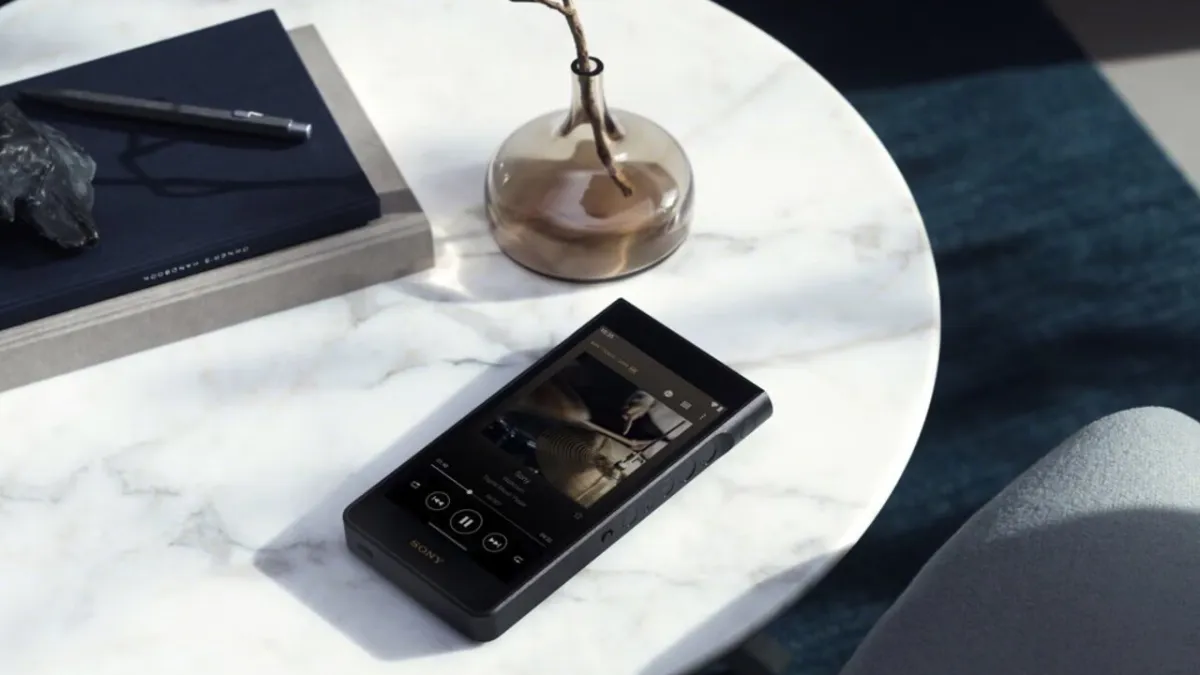
JAKARTA – Amidst the undeniable dominance of the digital ecosystem in 2026, a fascinating phenomenon is emerging: classic audio devices like the Walkman are once again capturing attention. Sony Corporation, a pioneer in portable music players, has surprisingly relaunched its Walkman line with a modern touch. Furthermore, this success has even inspired tech giant Apple, which now offers an app on the iPhone that simulates the experience of listening to music from old cassette players.
The return of the Walkman is more than just a fleeting wave of nostalgia. Sony is strategically targeting niche markets of collectors and audiophiles, those who crave superior sound quality and a more personal music listening experience. The new generation of Walkman devices are equipped with advanced audio technology, yet retain the iconic aesthetic that has resonated with consumers for decades.
Sony's decision reflects a shift in consumer preference towards seeking depth and texture in audio experiences, something often diminished on convenient digital streaming platforms. There is a unique appeal to devices dedicated solely to music, free from notification distractions or dual functionalities.
Through this latest Walkman series, Sony is not merely selling hardware, but also a philosophy: appreciating music as an art form, where every note and instrument can be enjoyed with maximum clarity. This is a response to a market that is increasingly saturated with compressed audio quality and instant gratification.
This phenomenon has also caught Apple's eye. Third-party app developers, driven by similar trends, have created music player apps for the iPhone that mimic the classic Walkman interface. These apps allow users to experience the sensation of playing a cassette or digital disc with retro graphical displays, bringing a vintage feel to their modern devices.
The iPhone's inspiration from the Walkman demonstrates that design elements and user experiences from previous eras still hold strong relevance. User interface (UI/UX) designers recognize that familiar touches from the past can create an emotional connection and a more enjoyable experience for users.
The resurgence of retro devices signifies a recurring cycle of fashion within the technology industry. Consumers, especially younger generations who did not directly experience the original Walkman era, find a particular charm in the aesthetics and simplicity of these devices. They see it as a form of individual expression amidst the homogeneity of smart gadgets.
Market technology analyst Dr. Surya Wijaya from Gadjah Mada University stated, This trend indicates that technology is not always about speed and capacity. There is ample room for innovation rooted in emotional experiences and nostalgic sentiment. Sony has clearly recognized this, and app developers are now following suit.
The presence of modern Walkman devices also supports the physical media ecosystem. Although streaming dominates, the market for vinyl records and analog cassettes shows stable growth. New Walkman-like devices complement these physical media collections, providing a complete listening experience.
The future of audio devices may lie not only in full integration but also in specialization and differentiation. Multifunctional devices will persist, but there is also space for gadgets designed for a single primary purpose, such as enjoying music with the best quality and an immersive experience.
The return of the Walkman and the inspiration it has sparked in the iPhone confirm that innovation does not always mean abandoning the past entirely. Rather, sometimes, looking back can pave the way for a richer and more diverse future in the world of technology.
Editorial Insight: The resurgence of the Walkman and retro inspiration on modern platforms like the iPhone is not just a passing trend, but a reflection of consumer demand for more authentic and personal experiences amidst digital clutter. This shows that emotional value and quality of experience can be key differentiators, even for technology products once considered outdated. The market will continue to seek a balance between futuristic innovation and nostalgic sentiment.