 Debby Wijaya
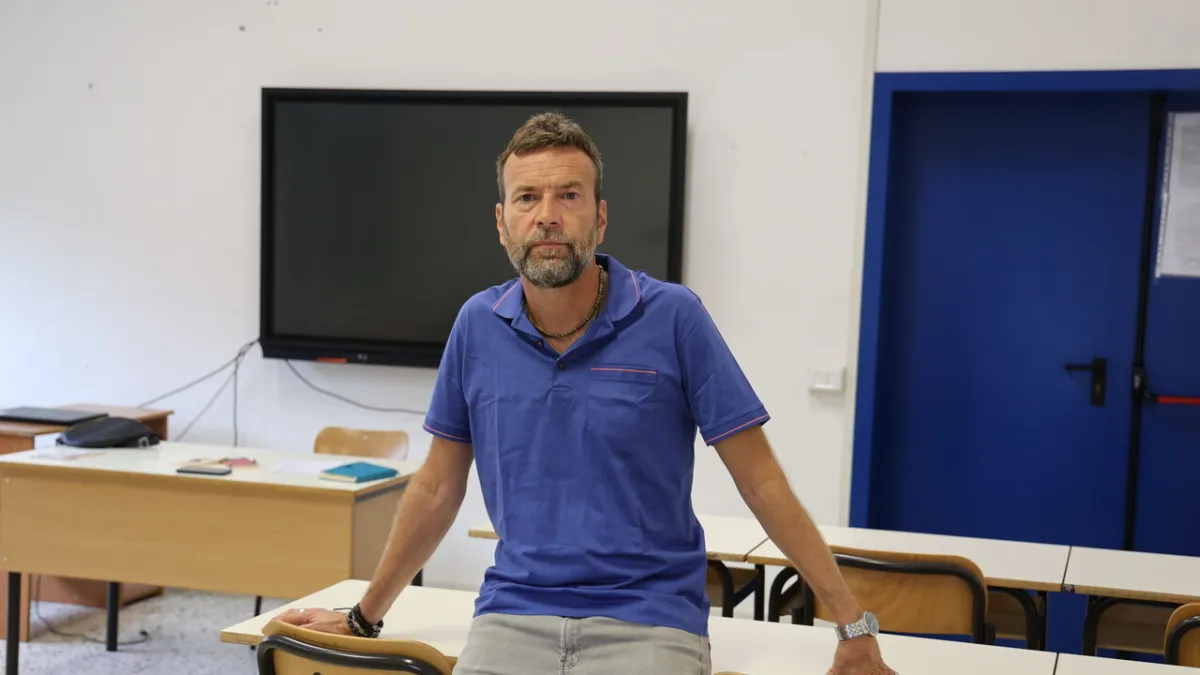
ITALY – Andrea Franceschetti, an educator known as the djprof, is revolutionizing the teaching of classical literature for his students. By transforming timeless works from Dal Tasso to Quasimodo into innovative songs, Franceschetti successfully injects new life into the learning process, turning the classroom into an inspiring stage of creation. This unique approach demonstrates that education can be a transformative experience, as he believes, Being a teacher means living a dream.
Franceschetti's method stems from his conviction that art and music are powerful bridges to connect younger generations with the intellectual riches of the past. He not only teaches but creates an emotional link between students and classical authors often perceived as rigid or inaccessible.
The Dal Tasso to Quasimodo project forms the core of his educational innovation. Each poem or prose fragment is adapted into an easily memorable melody, complete with lyrics that retain the essence and beauty of the original language. This is not merely about memorization, but about internalizing meaning through an enjoyable medium.
In our exclusive interview, Franceschetti explained his motivation. I saw many students struggling with dense literary material. I asked myself, what if we could dance to Tasso's verses, or sing along with Quasimodo? The results were truly beyond expectation, he said enthusiastically.
The students' response has been overwhelming. Classes that might have previously felt monotonous are now filled with lively discussions, active participation, and even collaboration in creating new song arrangements. The level of understanding and appreciation for classical literature has significantly increased.
One of his students, Giulia, stated, Before, I never understood why we had to study those old poems. But after Mr. Andrea turned them into songs, I not only memorized them, but I truly felt them. It makes learning fun.
This approach also helps develop other skills in students, such as creativity, teamwork, and musical analysis capabilities. They are not just consumers, but also producers of innovative educational content.
Education observers praise Franceschetti's breakthrough. Dr. Elena Rossi, a pedagogy expert, commented, This 'djprof' method is a perfect example of how we can embrace technology and art to enrich the curriculum. It is a model for the future of global education.
Such educational innovation is highly relevant in 2026, when the demand for adaptive and personalized learning continues to strengthen. The digital era compels educators to think outside the conventional box.
Franceschetti hopes his approach can inspire more teachers to experiment with unconventional teaching methods. Education is not about filling a pail, but lighting a fire, he concluded, quoting an ancient philosophy.
Editorial Insight: Andrea Franceschetti's innovation marks a significant paradigm shift in education, particularly amid the challenge of maintaining the relevance of classical material for the digital generation. Such interdisciplinary approaches not only boost learning interest but also prepare students with critical and creative thinking skills essential for the future. The potential for replicating the djprof model across various disciplines warrants further exploration to foster broader global educational transformation.