 Demian Sahputra

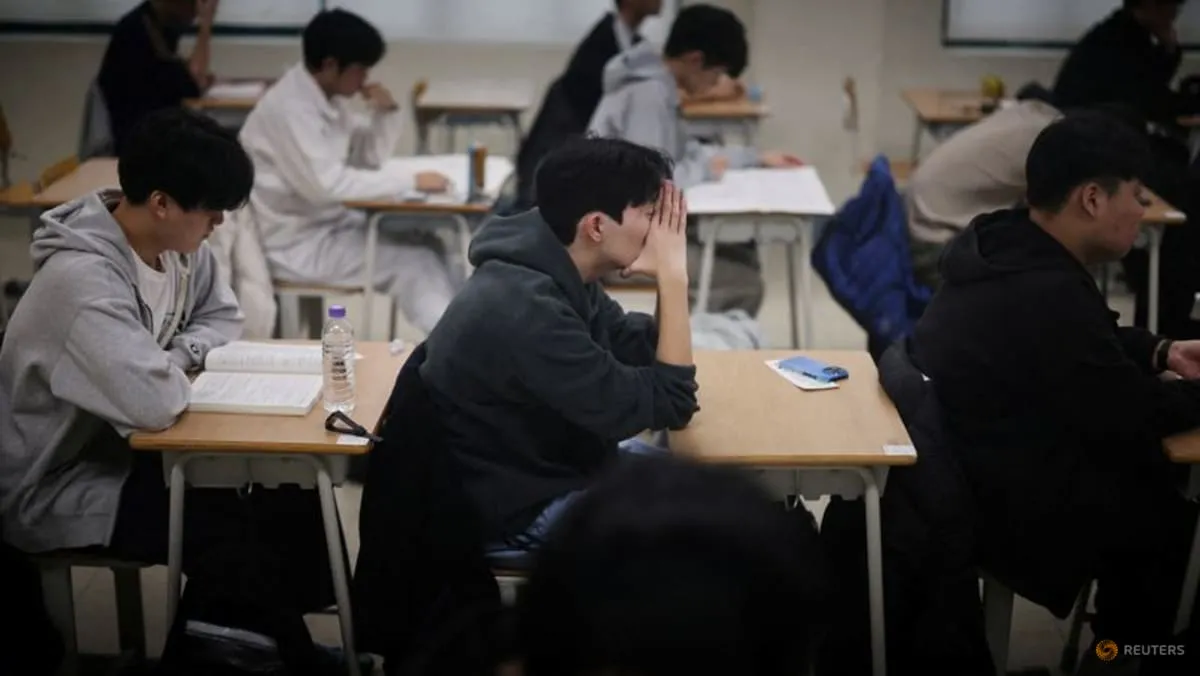
PARIS – Leading demographer Armelle Andro recently voiced sharp criticism against Frances higher education admission system, Parcoursup. In an article for Le Monde, she emphasized that the digital platform itself is not the problem, but rather the fundamental algorithm operating behind it. This criticism emerged after thousands of prospective students reportedly felt their capability levels were insufficient due to the systems decisions, sparking a fierce debate about fairness and transparency in higher education.
Andro, known for her in-depth analysis of social issues, explicitly stated that Parcoursups algorithm makes thousands of young people believe that their level is not good enough. This statement highlights the serious psychological impact created by a selection system that should facilitate access to education, not generate self-doubt.
The Parcoursup system, introduced several years ago as an effort to modernize the university application process, has instead faced a wave of dissatisfaction. Far from simplifying, the complex algorithm often produces decisions perceived as non-transparent and arbitrary, leaving many students in confusion and deep disappointment over their academic choices.
According to Andro, the solution to overcome these primary flaws does not require a total dismantling of the platform. Instead, she suggests a key reform: simply implementing a clearer system of preference hierarchization for applicants. This approach is believed to be capable of reducing frustration and giving students greater control over their choices, in line with principles of fairness.
The main concern lies in the algorithms potential to inadvertently create inequality and exacerbate anxiety among students. Many feel that their hard work throughout secondary school is not fully represented or valued by Parcoursups final decisions, raising questions about the validity and objectivity of the systemic assessment.
This issue extends beyond technicalities. It touches the core of Frances educational philosophy, which highly values meritocracy and equal opportunities. When a selection system, especially one that is digitally and algorithmically based, fails to meet these expectations, the impact can damage public trust in higher education institutions.
The debate over Parcoursup is not new. Since its launch, the system has been the subject of criticism from various parties, including student unions and educators. However, Andros analysis offers a new perspective by distinguishing between the platform and the algorithm, shifting the focus of improvement to more specific technical aspects.
Considering the evolving global context, where technological advancements like nano-chips have the potential to transform the future of education, it is crucial for admission systems to adapt in a way that empowers, rather than restricts. The long-term impact on the mental health of young people is also a concern. The pressure to enter desired study programs is often very high, and unexplained rejections by the algorithm can trigger stress, depression, and despair. This condition can hinder students' potential and reduce their motivation to pursue further education.
Transparency is key in any reform. The public, especially students and parents, have the right to understand how crucial decisions about their educational future are made. A more transparent and understandable system, as suggested by Andro, would strengthen trust and reduce negative speculation.
The French government and Ministry of Higher Education now face the challenge of responding constructively to this criticism. Ignoring complaints from a demographer and thousands of students risks deepening the chasm of dissatisfaction and damaging the reputation of the national education system. Reforming the Parcoursup algorithm is not just about technical improvements, but also about reaffirming a commitment to student fairness and well-being.
Editorial Insight: Armelle Andros critique of the Parcoursup algorithm highlights a crucial challenge in the era of education digitalization. Reliance on automated systems without a deep review of their impact on individuals can create significant social and psychological disruptions. The proposed solution, namely the hierarchization of preferences, is a pragmatic step that could restore student agency and system transparency. Moving forward, this could set a precedent for other countries to re-evaluate their algorithm-based selection systems, ensuring that technology supports educational goals, not obstructs them.