 Chandra Wijayanto
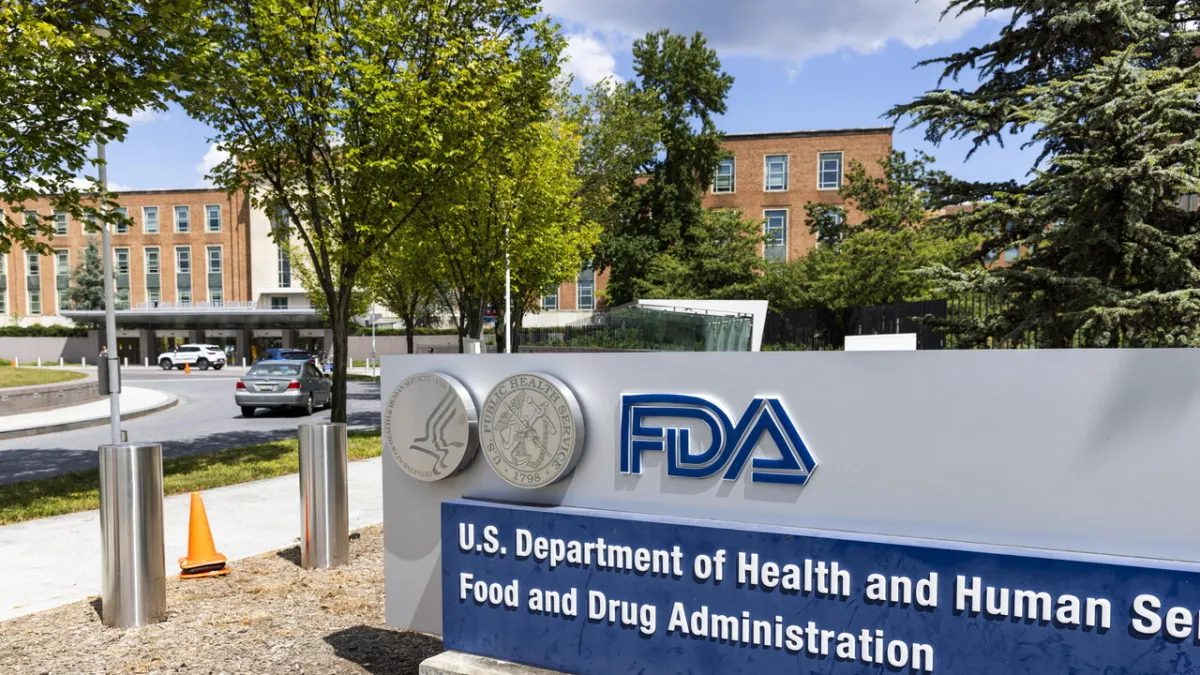
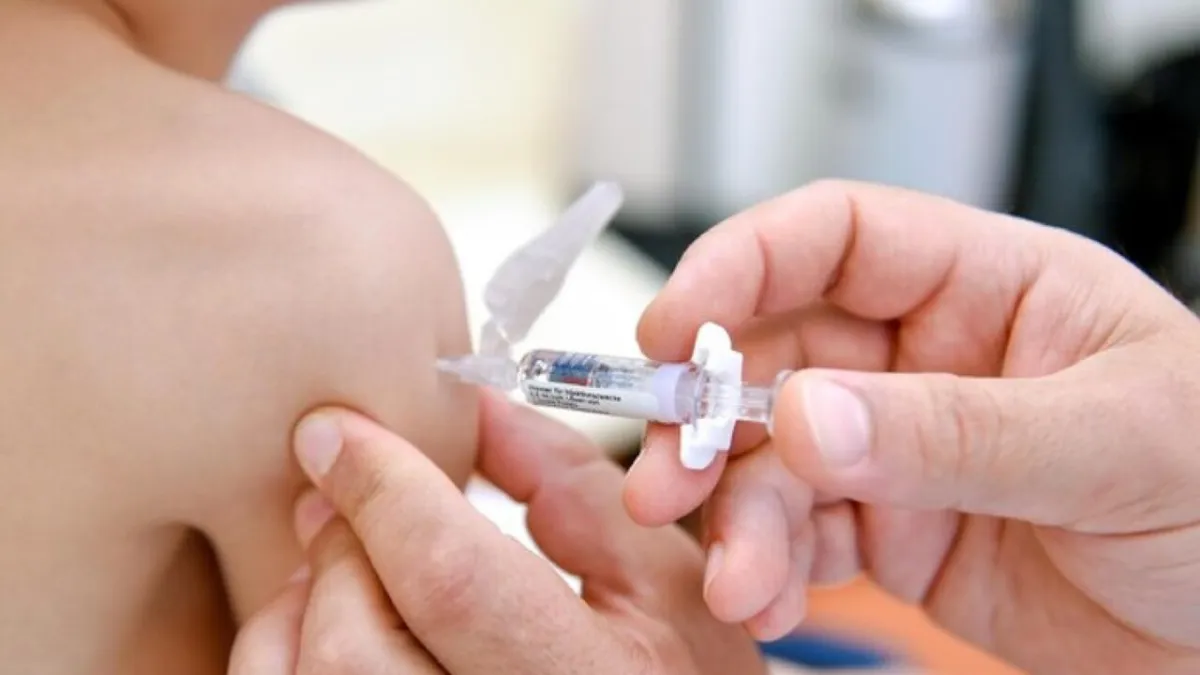
WASHINGTON – The U.S. Food and Drug Administration (FDA) recently issued a crucial approval for the use of innovative robots in blood analysis procedures. This decision comes as a direct response to the escalating and concerning shortage of nursing staff across the nation.
These advanced robots are engineered with the capability to accurately identify patient veins and perform blood sample withdrawals autonomously. This technological innovation marks a significant step in the modernization of the healthcare sector, simultaneously serving as a mitigation strategy against human resource challenges.
The nursing shortage has been a protracted structural issue within the U.S. healthcare system. According to an official FDA statement, there is a 'growing staff shortage' that urgently necessitates alternative solutions to maintain the quality and accessibility of essential medical services.
With their high precision capabilities, these robots are expected to reduce human error in the blood sampling process, which traditionally requires specific skills and experience from medical personnel. The potential for efficiency and procedure standardization is a primary appeal of this technology.
The implementation of robots for routine tasks such as blood sampling can free up nurses and other medical staff to focus on more complex tasks that require intensive human interaction. This includes critical patient care, diagnosis, and counseling, thereby optimizing the vital roles of professional healthcare workers.
The use of automation in the healthcare sector is not a new phenomenon. Various countries, including some in Europe, are also facing similar challenges related to labor shortages across different sectors. This phenomenon is reflected in issues like the worker shortage in East Germany which threatens regional economic stability.
However, the adoption of this robotic technology also sparks ethical and social discussions regarding its potential impact on nursing jobs. Although the FDA emphasizes the necessity, concerns about the replacement of human roles by machines remain a relevant debate among the public and healthcare professionals.
The initial investment cost for procuring and integrating these robotic systems into healthcare facilities is also a significant consideration. Nevertheless, in the long term, operational efficiencies and the potential reduction in costs related to errors and retraining needs could justify such an investment.
Medical technology experts predict that this FDA move will set an important precedent for other countries to explore robotics-based solutions to address healthcare workforce deficits. This could pave the way for further automation in various aspects of medical services.
This approval indicates that the future of healthcare may heavily rely on the synergy between human expertise and machine precision. A new era in patient diagnostics and care is beginning to unfold in the United States.
Editorial Insight: The FDA's decision to approve blood-drawing robots reflects a global dilemma between technological advancement and human resource challenges. While offering an efficient solution to the nursing crisis, this step also urges governments and educational institutions to reorient curricula and develop new skills for medical personnel to remain relevant amidst technological disruption. The potential long-term impacts on job structures and the ethics of healthcare delivery require careful scrutiny.