 Demian Sahputra
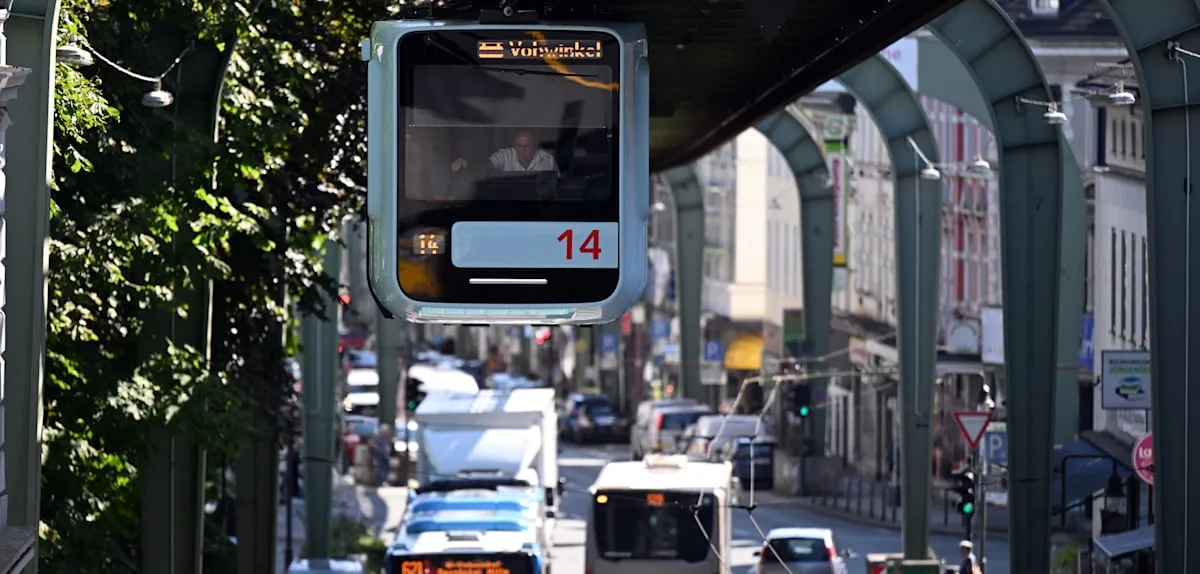
Wuppertal — The German city of Wuppertal, long associated with the phrase Moppertal or Valley of Grumblers due to its residents' reputedly grumpy disposition, has now successfully transformed this negative stigma into an innovative tourism magnet. In 2026, a brilliant marketing strategy known as Moppertour was launched, inviting tourists to explore even the city's “ugliest” corners, turning mockery into a valuable asset that garners global attention.
This unique phenomenon originated from Wuppertal's frequent appearance at the bottom of German city rankings for resident satisfaction or happiness. Instead of concealing its shortcomings, Wuppertal's tourism authorities adopted a transparent and witty approach, utilizing criticism as the foundation for an authentic travel experience. This move demonstrates remarkable courage in embracing an identity often perceived as a weakness.
The Moppertour is not just a regular trip, but an exploration that invites visitors to see the reality of Wuppertal as it is. The tour deliberately highlights brutalist architecture, old industrial areas, and urban infrastructure that might not be as picturesque as other European cities. This concept aims to provide a unique perspective, far from the glamorization often found in conventional tourism brochures.
According to Wuppertal's Head of Tourism, Dr. Klaus Zimmermann, at a press conference in early 2026, “We are tired of trying to be something we are not. Wuppertal has a different charm, and sometimes, honesty is the best attraction. We are not asking people to love every corner of the city, but we are inviting them to see and understand our narrative.” This statement underscores the philosophy behind this unique initiative.
The response from international tourists and media has been overwhelmingly positive. Many have praised Wuppertal's honesty and courage. They find a distinct aesthetic value in the city's authenticity and rawness, which contrasts with overly polished tourist destinations. This opens new conversations about the definition of beauty in tourism.
An urban sociology expert from the University of Berlin, Professor Lena Schmidt, highlights this phenomenon as an interesting case study in redefining a city's image. “Wuppertal demonstrates how a city can turn a negative narrative into an economic opportunity. It's not just about tourism; it's about fostering local pride and challenging standard perceptions of attractiveness,” explained Professor Schmidt in an interview.
Initial economic impacts are already being felt. Moppertour bookings have increased significantly, local hotels report improved occupancy, and small and medium-sized enterprises related to the tourism sector are experiencing a positive boost. This strategy has successfully created an untapped market niche, attracting a segment of tourists seeking different, anti-mainstream experiences.
The city government hopes that the Moppertour will not only boost visitor numbers but also encourage new investment and more sustainable infrastructure development. The focus on authenticity and local identity can serve as a model for other European cities facing similar challenges in tourism branding.
This initiative also inspires local residents. Initially skeptical, many Wuppertal citizens now feel proud that their city is gaining international recognition for its courage and uniqueness. This gradually erodes the once derogatory nickname Moppertal, transforming it into an icon of pride.
Wuppertal's unique strategy reflects a global tourism trend shifting towards more authentic and meaningful experiences. Destinations no longer need to be perfect; they just need to be themselves in an engaging way. This is a valuable lesson for the tourism industry worldwide in 2026 and beyond.