 Dorry Archiles
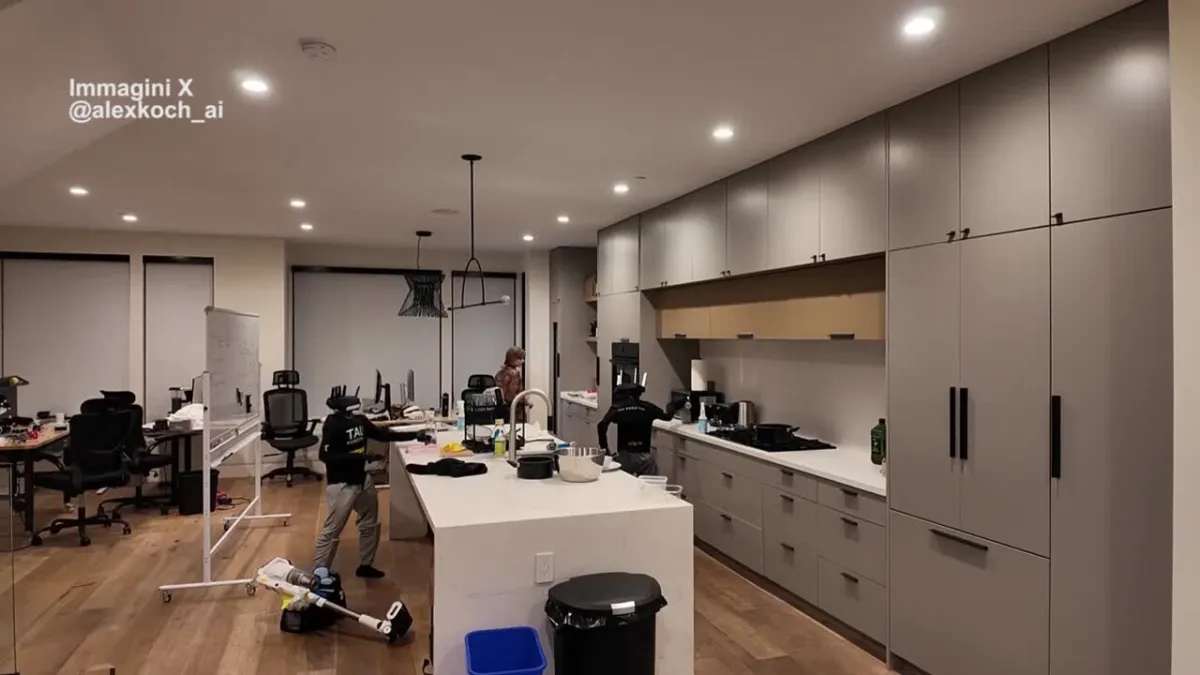
SAN FRANCISCO – A new era of home automation has arrived in San Francisco with the launch of an innovative service offering home cleaning by humanoid robots. Users can now rent these advanced robotic assistants for 30 dollars per hour, marking a significant leap in integrating artificial intelligence into the domestic sphere in 2026.
This revolutionary service was introduced by a tech startup with the ambition of transforming the paradigm of household chores. Promising efficiency, precision, and availability, these robots are designed to handle various tasks, from vacuuming and mopping floors to cleaning surfaces and tidying light items.
The development of humanoid robots for domestic tasks has been a primary focus of artificial intelligence research for decades. The emergence of this commercial service indicates that the technology has reached a level of maturity allowing for practical implementation in daily life.
Consumers in San Francisco now have an appealing option to delegate their household chores to machines. The 30 dollars per hour rate is considered competitive, especially compared to the high cost of human labor in the notoriously expensive Bay Area. This economic aspect is expected to be a major draw for many.
The developers claim that these robots are equipped with advanced machine learning algorithms, enabling them to adapt to different home layouts and each customer's unique cleaning preferences. Sophisticated sensors also ensure safety and prevent damage to personal belongings.
Nevertheless, the launch of this service has not been free from intense public discussion. Concerns regarding the impact on the labor market, particularly the cleaning service sector, have begun to emerge. Some circles argue that this could trigger a wave of unemployment among blue-collar workers.
Conversely, proponents of automation argue that this technology will free humans from repetitive tasks, allowing them to focus on work requiring creativity and social interaction. It also opens up opportunities for new job creation in robot development, maintenance, and operational fields.
The service provider company affirms its commitment to the ethical development of AI and robotics and plans to provide retraining programs for workers who might be affected. They view this as a natural evolution in how humans interact with technology.
This phenomenon aligns with a global trend showing an increase in sentiment against artificial intelligence in America and various parts of the world. Questions surrounding AI's role in society, privacy, and ethics are becoming increasingly relevant with the massive adoption of technology.
The implementation of humanoid robots for home cleaning also raises questions about the boundaries of human-machine interaction. Is society ready to accept the presence of robots as an integral part of their household environment, even for tasks once exclusive to humans?
This rental business model offers unprecedented flexibility. Instead of having to purchase robots costing tens of thousands of dollars, consumers can pay as needed, making this advanced technology more accessible to a broader market segment.
This is not merely a technological innovation; it is an indicator of larger social and economic changes. San Francisco, as a global innovation hub, once again stands at the forefront of introducing a future dominated by intelligent solutions.
Analysts predict that if this model succeeds in San Francisco, it will not be long before similar services spread to other major cities worldwide, fundamentally altering the landscape of household work.
Editorial Insight: The launch of robot cleaning services in San Francisco represents a significant milestone in the journey of AI and robotics adoption in the consumer sector. While the efficiency and innovation offered are compelling, its impact on the labor market, particularly in low-wage job segments, warrants serious attention from policymakers. Moving forward, governments and companies must collaborate to develop ethical frameworks and transitional programs that support societal adaptation to this automation revolution.