 Dodi Irawan
RIYADH – Saudi Arabia and Japan inked a strategic agreement in 2026 to replenish Japan's dwindling oil stockpiles. This accord reflects a proactive step by both nations to bolster energy security amidst global geopolitical uncertainties, particularly the escalating conflict between the United States and Iran.
This agreement serves as concrete evidence of how major oil producers and consumers are taking tangible measures to secure supplies. With President Donald Trump leading the United States, regional dynamics in the Middle East have become increasingly complex, demanding adaptive responses from energy-dependent countries.
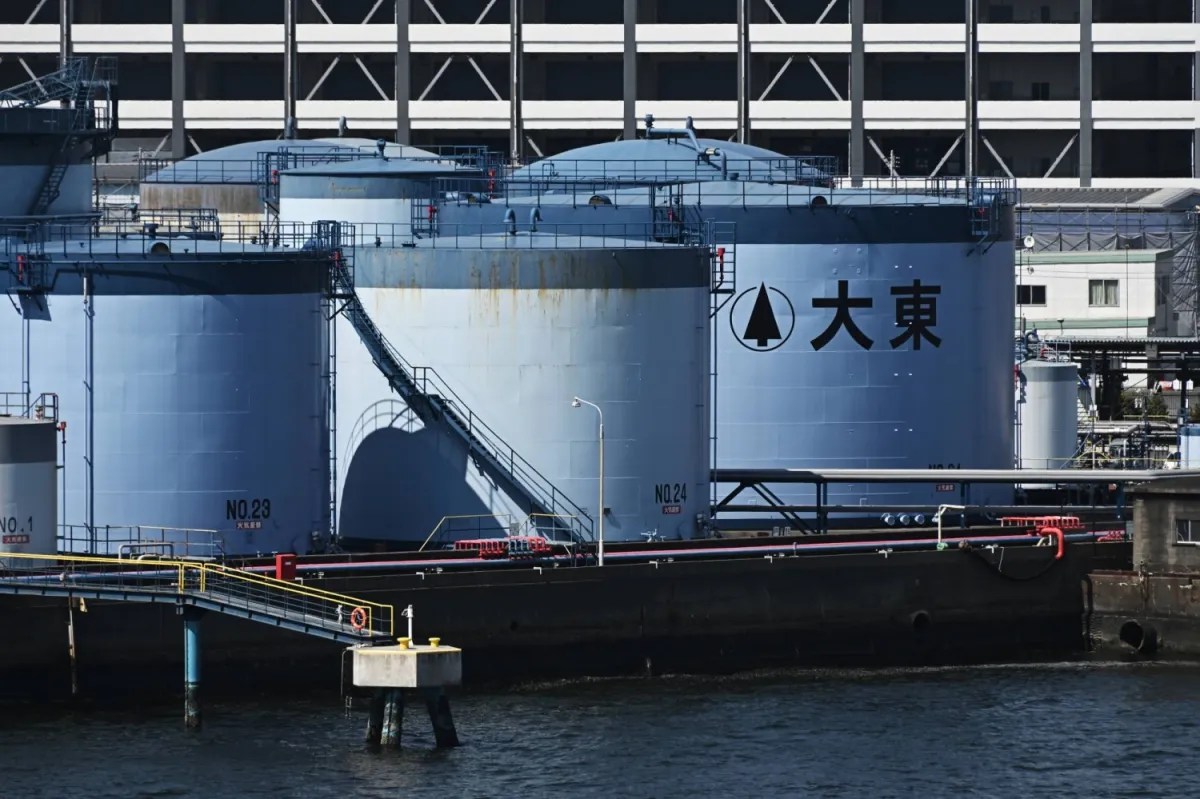
According to internal sources involved in the negotiations, the deal entails a mechanism for Saudi crude oil to be stored in Japan's strategic facilities. The objective is clear: to ensure a stable supply and mitigate the risk of disruption due to market volatility or armed conflict.
Japan, as one of the world's largest oil importers, has a critical need for guaranteed energy sources. The archipelago's reliance on Middle Eastern oil makes regional stability a top priority in its foreign policy. This agreement with Riyadh provides an additional layer of protection.
More than just a commodity transaction, this pact also deepens bilateral relations between Saudi Arabia and Japan. Both nations demonstrate a shared commitment to maintaining global economic stability through guaranteeing vital energy supplies. It is a significant diplomatic and economic step.
The US-Iran conflict, which continues to escalate into 2026, has created extreme volatility in the international oil market. Oil prices have fluctuated wildly, and crucial shipping routes are under threat, prompting major consumer nations like Japan to seek independent, long-term solutions.
Riyadh's decision to forge this strategic cooperation also highlights its role as a responsible energy supplier. Saudi Arabia aims to maintain market balance while building strategic alliances with key consumer countries.
Energy analysts view this initiative as a potential model for other nations facing similar challenges. Amidst threats to global supply chains, the establishment of strategic reserves through bilateral agreements is becoming an increasingly relevant strategy.
Beyond energy security, Japan is also actively solidifying its global position through various diplomatic initiatives. This policy aligns with Japan's efforts to safeguard its interests amidst complex geopolitical dynamics, including its strained relations with neighboring countries. Read more about Japan Concerned: Relations with China and Russia Worst in History and Japan Strengthens Global Influence: Approaches Chile and Peru Through 2026 Summit Diplomacy.
This agreement is expected to provide long-term supply assurance for Japan, alleviating concerns over supply fluctuations caused by political instability in the Middle East or disruptions to critical global shipping lanes.
This move signals a strategic shift in energy diplomacy. Nations are no longer solely relying on open market mechanisms but are also investing in robust bilateral agreements to secure their essential needs.
Editorial Insight: The 2026 agreement between Saudi Arabia and Japan highlights a profound shift in the global energy security landscape. Amid escalating Middle East tensions and market volatility, bilateral alliances for oil reserves indicate how nations are striving to build long-term resilience. This is not merely a commercial transaction but a strategic move underscoring the importance of energy diplomacy and partnerships in navigating increasingly complex geopolitical challenges. Its impact could foster regional stability, but also potentially prompt other nations to form similar energy blocs, altering global power dynamics.