 Angela Stefani
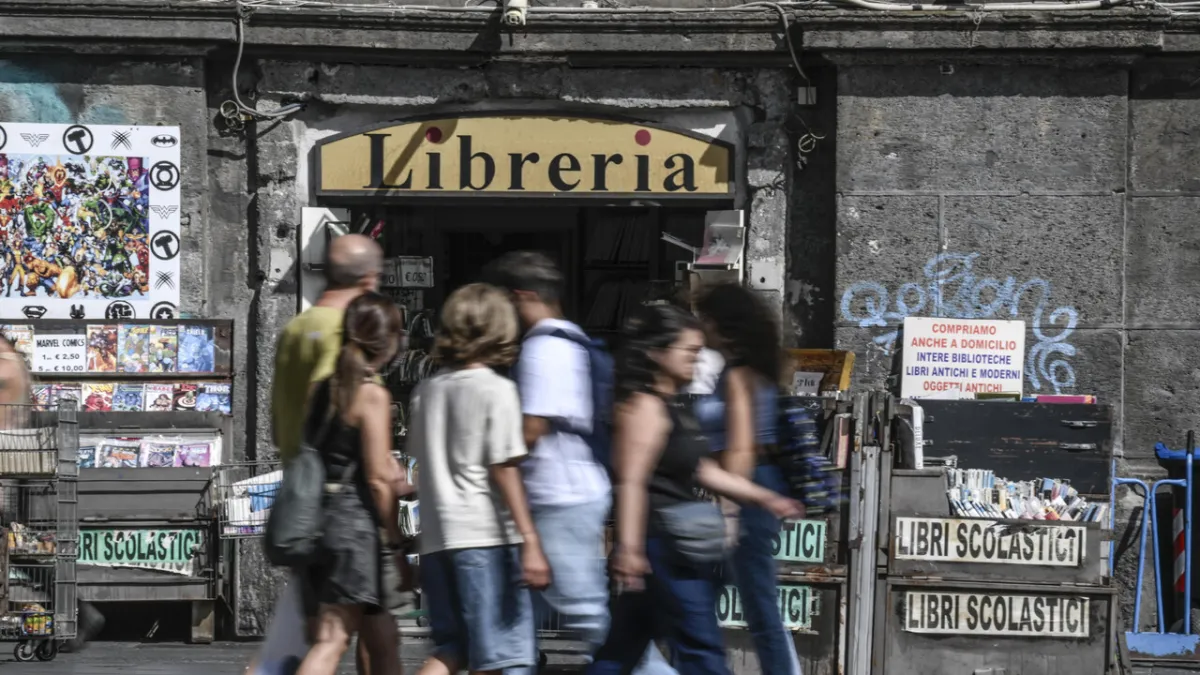
ROME – The Italian government's policy, enshrined in the 'Decreto Scuola' (School Decree), has officially postponed the allocation of school book bonuses originally designated for the 2026 academic year. This decision effectively shifts the provision of 20 million Euros in financial resources to municipalities for the procurement of free books, now slated to begin only in 2027, specifically for families with an Equivalent Economic Situation Indicator (ISEE) below 40,000 Euros. This postponement raises critical questions about the state's commitment to accessible and free education for all citizens.
The delay, as stipulated in the decree, means millions of students across Italy will not benefit from the book bonus during the 2026 academic year, a situation that could potentially increase the financial burden on parents. Municipal governments, who traditionally lead the implementation of local education policies, will also feel the impact, facing uncertainty regarding operational budgets.
This school book bonus scheme was previously designed to alleviate the economic burden on families, especially amidst a global economic climate that has not fully stabilized. With the rising cost of living, book subsidies were expected to be a lifeline for many low and middle-income families, ensuring their children maintained access to essential learning materials.
The total promised budget of 20 million Euros will now only be accessible starting from the 2027 fiscal year. This amount is specifically allocated to local governments with strict family income thresholds, namely an ISEE of up to 40,000 Euros. While these criteria ensure aid is directed to those most in need, the delay in implementation undermines the urgency of such assistance.
Mixed reactions have emerged from society and education observers. Many parties regret this decision, considering the book bonus a vital instrument in achieving equitable access to education. A consumer protection organization stated, 'This postponement is a setback for children's rights to decent education without being burdened by costs.'
This shift in budget allocation could create new disparities. Schools and local governments must seek alternative solutions for book procurement during 2026 or rely on local initiatives that may not be evenly distributed. This contrasts sharply with the collective spirit once championed to support education.
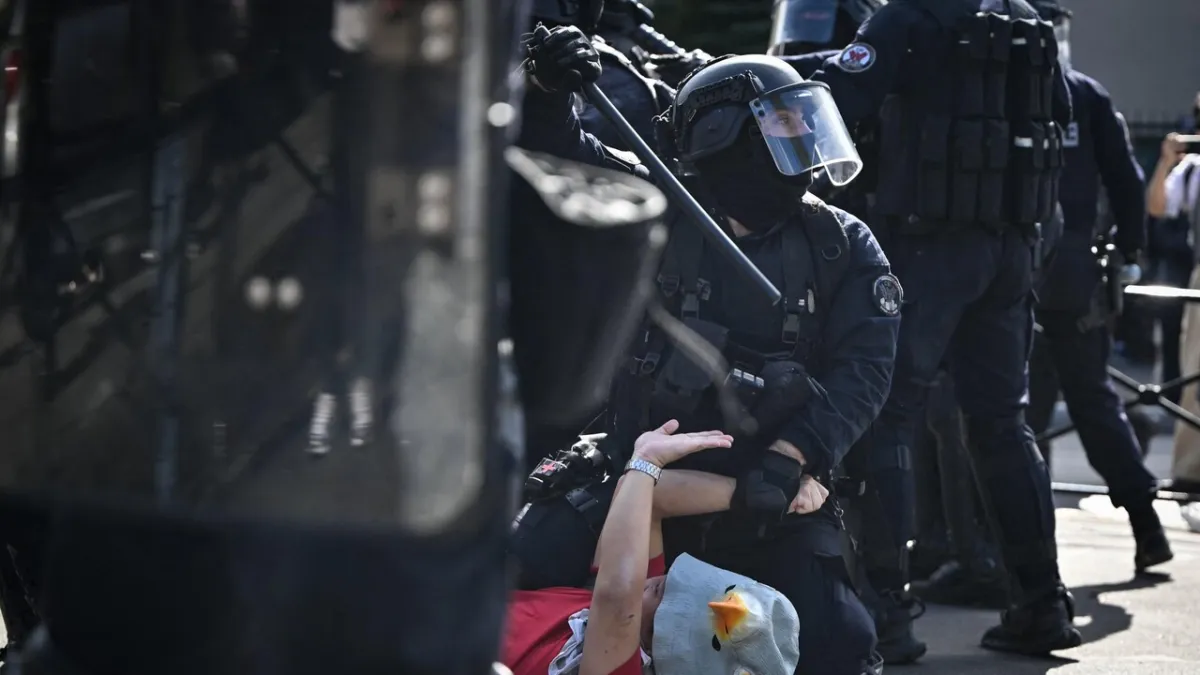
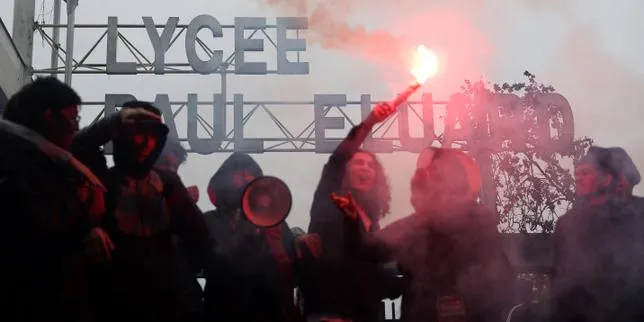
Within the context of European education policies, such postponements often spark heated debate. In other countries, like France, the issue of education costs has also drawn sharp scrutiny. For instance, policies there have triggered student protests and led to the cancellation of higher education fees. Similar phenomena, albeit on a different scale, could potentially occur in Italy if the public feels their rights are being neglected. This is comparable to events in France, as reported in the related news France Cancels Higher Education Fees for 2027 After Student Protests Escalate.
The Italian government has not provided a detailed explanation for the primary reasons behind this delay, beyond referring to the provisions within the 'Decreto Scuola' itself. Transparency in education budget decisions is crucial to avoid speculation and maintain public trust.
Education policy observers highlight that budget delays can have serious impacts on learning quality. The late procurement of new books or the absence of subsidies may force students to use outdated books or limit access to learning materials relevant to the latest curriculum.
The future of free education in Italy, at least concerning book provision, now hinges on the policy's implementation in 2027. Meanwhile, 2026 becomes a challenging transitional period for students, parents, and educational institutions that must adapt to changing budgetary realities.
A commitment to inclusive and high-quality education requires consistent and timely financial support. This decision to postpone the school book bonus, although perhaps based on specific budgetary considerations, risks eroding that foundation and generating dissatisfaction among the public.
Editorial Insight: This decision to postpone the school book bonus until 2027 reflects a common dilemma faced by governments: balancing fiscal stability with social priorities. While the 20 million Euro allocation is still promised for the following year, this one-year gap potentially creates educational access disparities, especially for low-income families who rely most on this assistance. The policy also sends an ambiguous signal about education's priority amidst Europe's evolving economic and social landscape. The government needs to promptly communicate mitigation strategies for 2026 to quell public concerns and ensure the continuity of effective teaching and learning processes.