 Dodi Irawan
WASHINGTON DC – The significant defeat of the Republican Party in this year's midterm elections has triggered a shift in global geopolitical dynamics, particularly in the Middle East. Foreign policy analysts observe a potential for Iran to misinterpret these results as an indication of President Donald Trump's administration's weakness, a calculation that risks further exacerbating regional stability. Simultaneously, Israel, under the leadership of Prime Minister Benjamin Netanyahu, is identified as one of the parties most disadvantaged by the latest political constellation in Washington.
The Republican defeat, which previously held a majority in Congress, now creates a more fragmented political landscape. Although President Trump retains executive power, his maneuverability in legislative affairs and international diplomacy may face new obstacles. This vacuum or uncertainty could be perceived by Tehran as an opportunity to test Washington's patience or resolve.
Internal intelligence sources, who requested anonymity, revealed a strong temptation for Iran to misread this situation and become overconfident with the cards they hold. The risk of escalating tensions looms, especially concerning Iran's nuclear program and their activities in Yemen, Syria, and Lebanon.
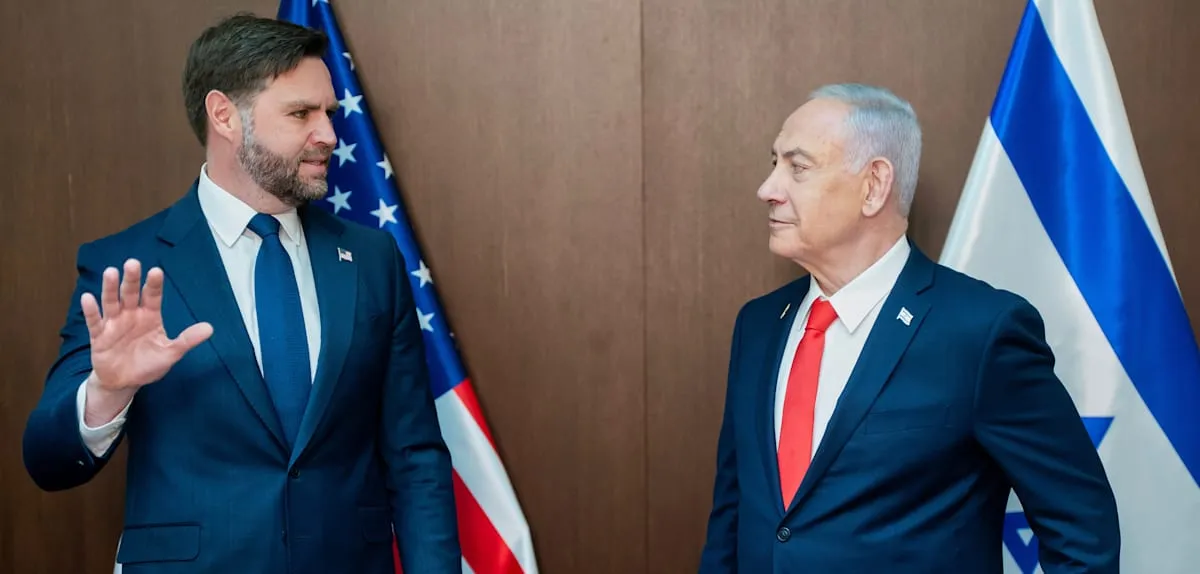
On the other side of the regional political spectrum, Israel feels the strongest pressure. Prime Minister Netanyahu, who has long relied on strong support from the Trump administration to confront Iranian threats and maintain his regional policies, now faces a different reality. The change in Congress's composition could mean tighter scrutiny of military aid and US Middle East policies.
The close relationship between Trump and Netanyahu has been a key pillar of Israel's strategy for several years. However, with the weakening of Republican dominance in parliament, the narrative of unconditional support for Israel may be questioned by Democratic factions who now have a more significant voice. This opens up the possibility of broader debates regarding the resolution of the Israeli-Palestinian conflict and human rights issues in the region.
A leading foreign policy observer from a prominent Washington think tank stated, 'Changes in Congress will inherently create new questions about US support for Israel. This does not mean support will disappear, but its intensity and unconditional nature may diminish.'
For Iran, this moment could be an opportunity to test the limits of US patience, especially if they believe President Trump is preoccupied with domestic issues post-Midterms. Tehran's aggressive stance in accelerating uranium enrichment or supporting proxies in the region could be a tangible indicator of their interpretation of American political dynamics. A related article discussing Iran Opens Nuclear Card: A Peaceful Path with US in 2026? provides additional context on potential diplomatic avenues.
Donald Trump's role as the current US President is also a crucial point. While the Midterms results may have weakened his party's position, his capacity as Commander-in-Chief and Head of State remains unshaken. The question is, will he choose to demonstrate his absolute power on the international stage to dispel notions of weakness, or will he be forced to shift focus to internal consolidation?
Looking further, this situation could affect international negotiations related to nuclear agreements or economic sanctions. If Iran feels its position is strengthening, it is likely to demand greater concessions in any dialogue. Conversely, if the Trump administration chooses to respond decisively, the risk of confrontation will increase.
Geopolitical observers agree that Iran's decisions in the coming months will be critical. Whether they will take the 'temptation' to provoke, or adopt a more pragmatic approach, remains a significant question. Meanwhile, Israel must prepare for potential shifts in US policy that may be less favorable to their national security agenda. It is also important to consider how Democrats Control US Congress, CLARITY Act Shakes Crypto?, which shows the impact of US domestic political changes.
Editorial Insight:
The post-2026 Midterms dynamics present a complex scenario for US foreign policy in the Middle East. The Republican Party's weakening in Congress, while not directly weakening President Trump, creates a perception that could be exploited by antagonistic parties like Iran. For Israel, this is a critical moment to re-evaluate alliance strategies and dependence on a single political faction in the US. Regional stability now heavily depends on how Tehran interprets signals from Washington and how the Trump administration chooses to project its power or adaptation.