 Chris Robert
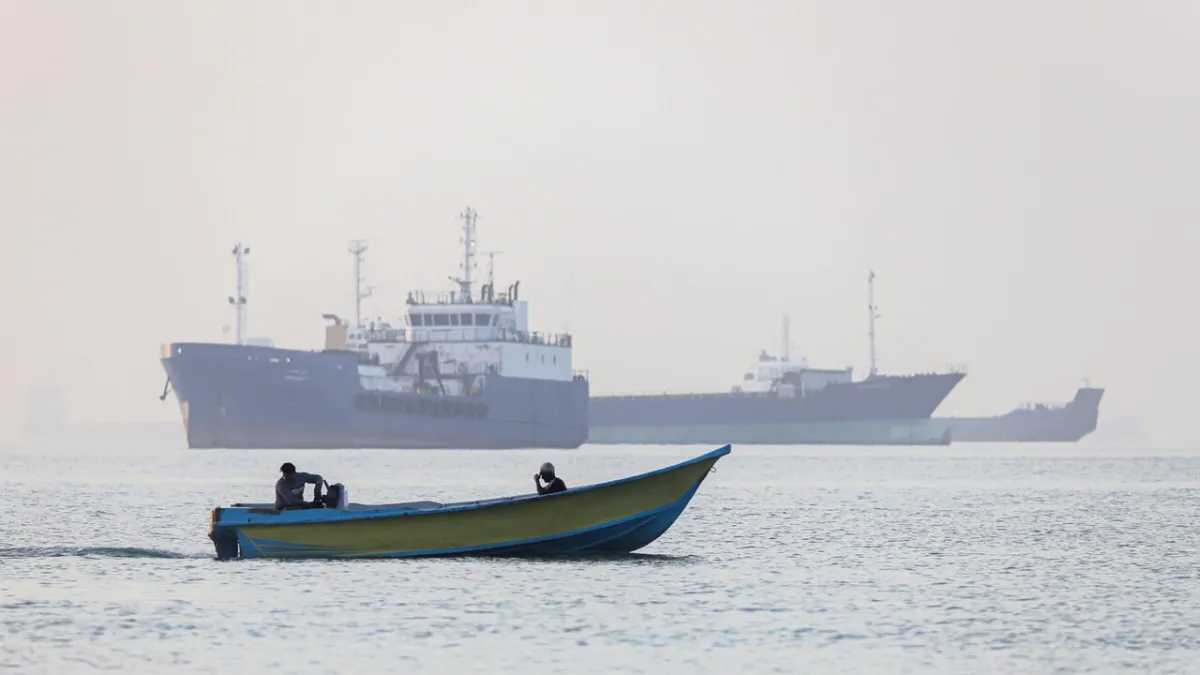
PERSIAN GULF — Tensions in the Middle East reached a new boiling point in early 2026 when the Iranian regime openly threatened to close the Strait of Hormuz, a vital maritime route through which approximately one-third of the global oil supply flows. This provocative threat immediately triggered a strong response from the United States, with President Donald Trump asserting that the strait is 'open' and its closure would not be tolerated, leading to an exchange of verbal attacks that further muddied the situation in one of the world's most strategic regions. This incident, occurring after a series of previous escalations, raises global concerns about economic impacts and regional security stability.
The statement from Tehran, delivered via state media, affirmed that the closure of the strait was a response to 'ongoing aggression' and damaging economic sanctions. High-ranking Iranian military officials warned that any attempt to force the strait open would be considered an act of war, to be met with full force. This threat is not new, but the geopolitical context of 2026 lends more weight to the potential consequences.
The Strait of Hormuz, located between Oman and Iran, is the sole sea route for most crude oil and liquefied natural gas exporters from the Persian Gulf to world markets. Through these narrow waters, giant supertankers transport millions of barrels of oil daily, making it a vital artery for global energy. Even the slightest disruption here could trigger a drastic surge in oil prices and global economic instability.
Washington immediately condemned the threat as an 'irresponsible provocative act'. President Trump, in a statement from the White House, affirmed the unwavering US position: 'The Strait of Hormuz has been open for decades and will remain open. Any attempt to close it will be met with the full force of the United States and its allies.' This statement was followed by the deployment of additional US military assets to the region, including warships and reconnaissance aircraft.
This latest escalation comes after several incidents in the Gulf region, including reports of minor clashes between small vessels and reconnaissance drones in international waters. While specific details of these attacks remain unclear, these incidents clearly indicate an increased military risk in the region, as also highlighted in our previous article on Hormuz Turmoil: Iran Blocks Crucial Route, US Retaliates with Missile Strikes.
Geopolitical analysts are closely monitoring the situation. Dr. Elena Petrova, a Middle East expert from an international think tank, stated, 'Iran's threats should not be underestimated. While this rhetoric often appears, their increased military capabilities and deep frustration over sanctions could push Tehran to take more extreme measures than ever before.' She added that miscalculations could trigger a larger conflict.
The economic impact is already being felt. Futures prices for crude oil surged sharply in international markets following this news, creating unsettling volatility. Traders are concerned about supply chain disruptions and the potential for a global recession if this energy shipping lane is indeed blocked. Major oil-importing nations in Asia and Europe voiced deep concerns.
International condemnation also poured in from various quarters. The UN Secretary-General urged both parties to exercise restraint and resolve differences through diplomatic channels. The European Union and several Asian countries called for immediate de-escalation, fearing the regional and global repercussions of an open conflict in the Persian Gulf.
However, amidst these diplomatic calls, both the US and Iran continue to show firm stances. Washington insists on the freedom of international navigation, while Tehran views the Strait of Hormuz as a strategic bargaining chip in the face of external pressure. This tension has boiled over on several previous occasions, and was even rumored to lead to the use of missiles, as presented in the article Hormuz Boiling Again: Iran Missiles Targeted by US, Escalation Inevitable?.
The international community now awaits the next steps. Will diplomacy succeed in de-escalating the situation, or will the world witness a potentially devastating military escalation at one of the most volatile points on the global geopolitical map? This question hangs in the air, creating deep uncertainty for the future of global stability in 2026.