 Angel Doris
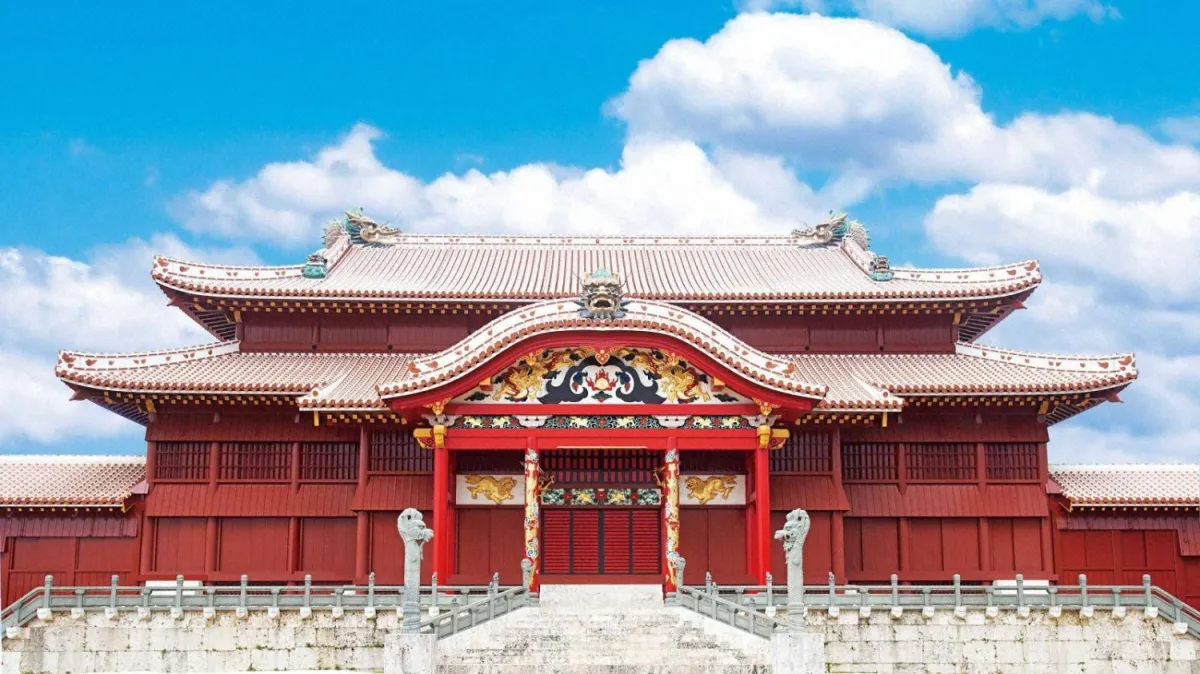
OKINAWA – Seven years after a devastating fire, Okinawa's Shuri Castle in Japan is set to reopen its main hall, Seiden, to the public next month. This monumental restoration marks the long-awaited revival of a cultural and historical symbol of the Ryukyu Kingdom, offering new hope for Japan's national heritage and the local tourism industry. Final preparations are currently underway to ensure a smooth reopening, a culmination of years of dedicated work.
A tragic fire on October 31, 2019, destroyed much of the Shuri Castle complex, including the main Seiden building, which is the heart of this UNESCO World Heritage site. The incident caused deep sorrow across Japan and the international community, given its invaluable historical and architectural significance. The flames rapidly consumed the ancient wooden structures, leaving behind only ashes and debris of a masterpiece.
Shuri Castle itself boasts a long history as the political, military, and cultural center of the independent Ryukyu Kingdom for centuries, before being annexed by Japan in 1879. The castle has witnessed the rise and fall of civilizations, even being completely destroyed during the Battle of Okinawa in World War II before a major reconstruction in 1992. Its status as a UNESCO World Heritage Site since 2000 underscores its importance in the annals of human history.
The post-2019 fire reconstruction process was a colossal undertaking involving experts in traditional architecture, artisans, and engineers. Every detail, from wood selection to carving and painting techniques, was meticulously executed to ensure harmony with the original design. This project focused not only on physical construction but also on restoring the spirit and cultural identity of Okinawa.
Workers and volunteers toiled tirelessly, facing various technical and logistical challenges. They applied traditional construction methods while integrating modern technology to ensure the new structure's durability and safety. The success of this restoration stands as a testament to the resilience of the Okinawan people and the Japanese government's commitment to preserving cultural heritage.
The reopening of Shuri Castle is expected to provide a significant boost to the local economy, particularly Okinawa's tourism sector. The castle is one of the island's primary attractions, drawing millions of visitors annually. The return of Shuri Castle's grandeur will reposition Okinawa as a vital cultural destination in southern Japan.
The prefectural government and tourism authorities have developed various promotional strategies to welcome back tourists, both domestic and international. They hope this moment will not only draw attention to the beauty of the newly restored Shuri Castle but also to the overall cultural richness and hospitality of the Okinawan people.
More than just a building, Shuri Castle is a symbol of resilience, collective memory, and identity. Its rise from the ashes not only demonstrates Japan's capability in physical reconstruction but also the strength to recover from tragedy and safeguard precious heritage for future generations.
The upcoming month's reopening will be a celebration of successful restoration efforts and a promise that history and culture will continue to thrive. It also serves as a reminder of the importance of preventive measures and preparedness against potential disasters at other historical sites worldwide.
The revitalized Shuri Castle will stand as a beacon for anyone wishing to understand the depth of Japanese history and architectural beauty, particularly the legacy of the Ryukyu Kingdom. A gem that now shines brightly again on the tropical island of Okinawa.
Editorial Insight: The resurgence of Shuri Castle post-devastating fire is a powerful narrative of resilience and dedication to cultural preservation. It is not merely a physical reconstruction but a reaffirmation of Okinawa's deep-rooted identity and Japan's commitment to world heritage. This reopening is projected to provide a vital economic stimulus for the prefecture, while also reasserting the importance of historical sites in shaping a nation's image and global appeal. The ongoing challenge will be to ensure the long-term sustainability and safety of this site, given climate change and potential natural disasters.