 Gabriella
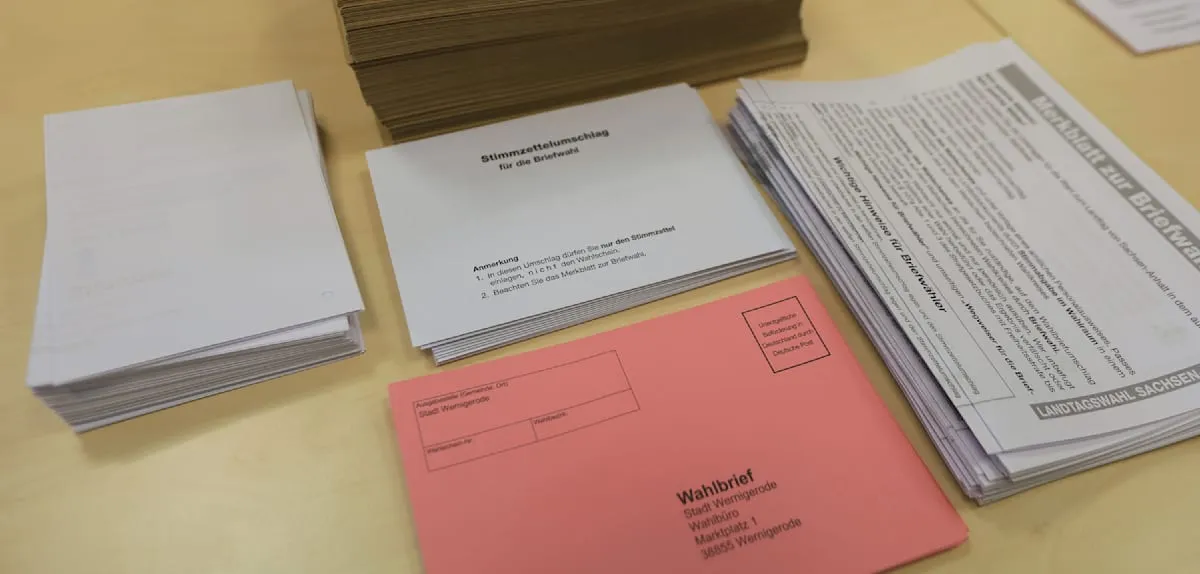
HALLE (SAALE) – The integrity of the democratic process in the German state of Sachsen-Anhalt is once again under scrutiny following a double ballot paper incident in the city of Halle. Approximately 1,200 ballot papers for the 2026 general election were found to be duplicated and dispatched to voters, now requiring their invalidation. This incident surfaces after electoral authorities in Magdeburg recently discovered a similar anomaly, triggering serious concerns regarding the governance and transparency of the 2026 elections.
This recurring incident, involving the dispatch of duplicate ballot papers to citizens, has generated a wave of disappointment and doubt among the public. The event in Halle mirrors a similar pattern in the state capital, Magdeburg, where a number of ballot papers were also found to have been printed more than once. This pattern suggests a systemic flaw within the ballot paper printing and distribution procedures.
This discovery is more than just an administrative error. It signifies a profound challenge to public trust in the electoral process of one of Europe's largest democracies. The situation demands a swift and decisive response from authorities to restore voter confidence.
Authorities in Halle promptly confirmed the issue, stating that the duplicate ballot papers would not be counted. The Head of the Halle City Electoral Office affirmed their commitment to maintaining election validity, despite acknowledging a significant administrative error. They pledged to conduct a thorough investigation to identify the root cause of the problem.
This critical error is suspected to originate from the printing or packaging procedures. Although official details regarding the exact cause remain pending, speculation points towards technical glitches or human oversight in a process involving large volumes of data. This becomes a serious concern, given that general elections are a core pillar of a democratic system.
The direct impact of this incident is keenly felt by voters who received duplicate ballot papers. Confusion abounds, with numerous questions arising regarding the validity of their votes and what to do with the additional copies. This situation not only wastes resources but also has the potential to undermine voter participation.
\We are deeply disappointed by this incident. How can such a fundamental error recur?\ stated a Halle resident who wished to remain anonymous, reflecting the general sentiment in the community. Similar frustrations are echoed across various segments of society, demanding full accountability from the electoral organizers.
Several opposition parties in the Sachsen-Anhalt state parliament have voiced profound concern. They demand transparent explanations and concrete measures to prevent the recurrence of such incidents. Sharp criticism has been directed at the bureaucracy, perceived as having failed to safeguard a vital democratic process. German bureaucracy is indeed known for its complexities, but in the context of elections, precision is absolute.
Election authorities have promised to promptly implement corrective measures. A comprehensive audit of the entire supply chain for ballot paper printing and distribution will be conducted. The primary objective is to tighten quality control and ensure that every procedure adheres to established standards.
This incident also sparks a broader discussion about modernizing Germany's electoral system. Some suggest considering more advanced technology to minimize the risk of human error, while others emphasize the importance of stricter manual oversight.
The legal implications of this incident remain an open question. Can any parties be held accountable for negligence that caused damages and potential distortion in the democratic process? Further investigation will likely delve into this aspect.
Historically, electoral errors of this nature are rare in Germany, a country known for its efficient administrative system. Therefore, the recurrence of this incident in Sachsen-Anhalt represents an anomaly that must be addressed seriously to preserve its reputation and public trust in democratic institutions.
The importance of preserving the integrity of every vote cannot be overstated. In every election, every citizen possesses the fundamental right to cast their choice fairly and secretly. This double ballot incident has the potential to diminish the value of that right.
The crisis of confidence sparked by this double ballot scandal demands a swift and decisive response from both regional and federal governments. Only through tangible and transparent actions can public trust in the democratic process in Sachsen-Anhalt be restored.
The Sachsen-Anhalt government faces the arduous task of reassuring voters that these fatal errors will not happen again. Full transparency and accountability are key to regaining confidence in the fairness and accuracy of elections.
Editorial Insight: The repeated double ballot incident in Sachsen-Anhalt is more than just a typical administrative error. It is a symptom of potential systemic vulnerabilities within the electoral process that can erode the foundations of democracy. A thorough investigation, focusing not only on individuals but also on structural weaknesses, is absolutely imperative. Failure to address it comprehensively could set a dangerous precedent and undermine the legitimacy of future election results, potentially triggering political instability.