 Edward DP Situmorang
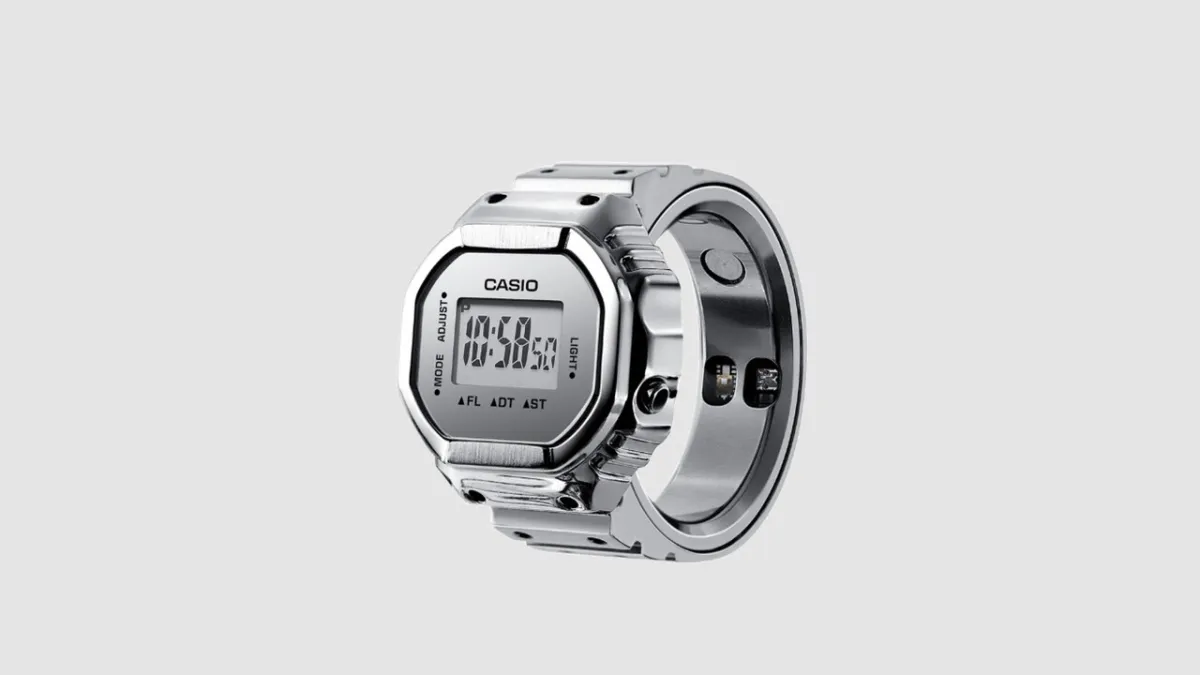
Jakarta — The global technology industry in 2026 is witnessing a significant transformation, where the human finger is no longer merely a body part, but the latest high-tech innovation ground. Smart rings, initially perceived as supplementary accessories, are now evolving into multifunctional gadgets poised to revolutionize digital interaction and user health monitoring. This phenomenon stems from the advancement in device miniaturization and market demand for more discreet, lifestyle-integrated technological solutions.
The evolution of digital wearables has reached its peak with the advent of smart rings. Following the dominance of smartwatches, manufacturers are now focusing on more compact yet equally sophisticated devices. In the mid-2020s, this trend began to emerge alongside improvements in sensor capabilities and battery efficiency, enabling the integration of complex features into much smaller dimensions.
One key player, Oura, has pioneered the smart ring market with a focus on health and sleep monitoring. Their latest models for 2026 offer superior data accuracy, moving beyond mere step counts or heart rate. Users can now monitor sleep quality, stress levels, heart rate variability, and even estimated body temperature with high precision, making it a personal health assistant that is always attached.
Beyond Oura, other tech giants like Casio, known for its mini-watch innovations, are also entering this market. While not yet explicitly launching full-featured smart rings, Casio's developments in miniaturization technology clearly signal their potential to introduce similar devices. This competition drives innovation of new features that go beyond health monitoring.
Projections indicate that in 2026 and beyond, smart rings will be equipped with faster and more secure contactless payment capabilities, encrypted digital identity systems, and even gesture control to operate smart home devices or other gadgets without physical touch. Imagine locking your house door or playing music with just a finger movement, all mediated by the ring on your finger.
However, the mass adoption of smart rings faces several challenges. Battery life remains a primary concern, despite significant improvements. Sensor accuracy, especially for more complex features like non-invasive blood glucose measurement, still requires further research and development. Furthermore, price and market acceptance play a crucial role in determining the success of these devices.
Data privacy issues are a serious concern. With the ability to collect sensitive biometric data, questions regarding secure data storage and the potential misuse of personal information become critical. Consumers and regulators alike demand transparency and high security standards from manufacturers.
The integration of smart rings into broader digital ecosystems, such as smart homes and autonomous vehicles, is a key target for developers. The ability to control various devices with just a touch or gesture from the finger will simplify human interaction with surrounding technology, creating a more intuitive and efficient environment.
Comparison with smartwatches is inevitable. Smart rings offer a more discreet aesthetic and lighter weight, ideal for those who desire monitoring without a conspicuous device. While smartwatches provide a screen and richer visual interaction, smart rings prioritize essential functionality in the most minimalist form. Both will continue to evolve, serving different yet complementary market segments.
According to a technology analyst from Global Tech Insights, "2026 is a turning point for wearables. Consumers are looking for solutions that are not only functional but also seamlessly integrated into their lifestyles. Smart rings offer unprecedented integration." This statement underscores the bright prospects for ring technology.
The global market for smart rings is predicted to grow exponentially. The latest report from the Tech Innovations Forum 2026 projects an adoption increase of up to 40% in European and North American markets, driven by rising health awareness and the desire for wireless technology convenience. Italy, as one of Europe's advanced technology markets, also shows growing interest in this product category.
In conclusion, smart rings in 2026 are no longer just a fleeting trend. They are a manifestation of relentless innovation, seeking ways to make technology more personal, intuitive, and invisible. From health monitoring to digital device control, our fingers have now officially become the interface of the future, opening a new chapter in personal technology narratives.