 Dorry Archiles
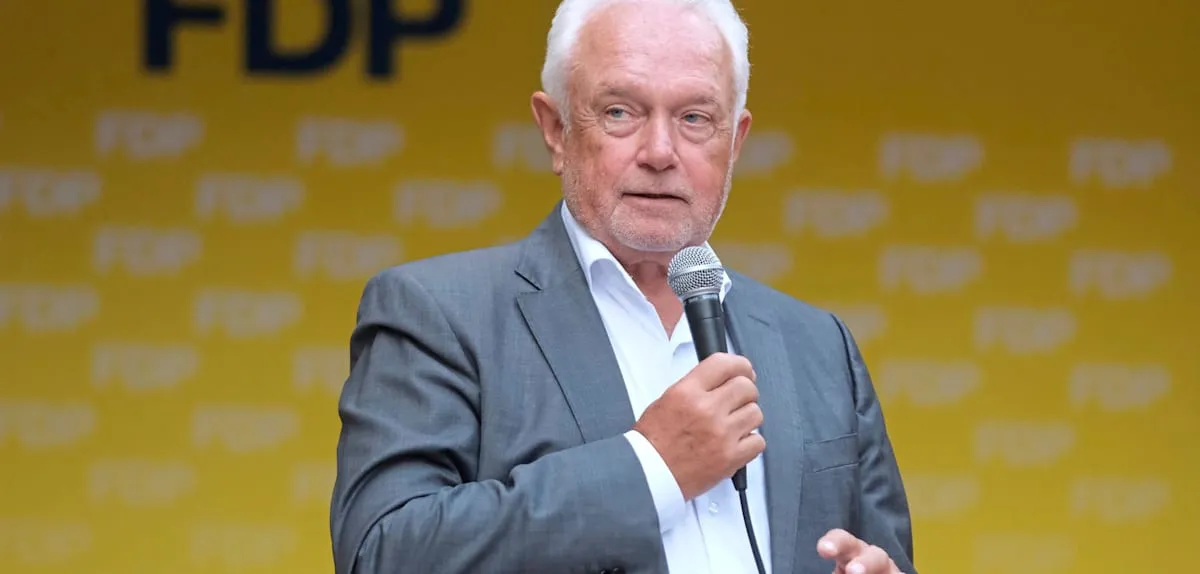
BERLIN — A tense atmosphere enveloped a special session of the Christian Union parliamentary group in early 2026 when CSU leader Markus Söder surprisingly lavished high praise on Jens Spahn. This unexpected moment immediately altered the internal political dynamics, especially in front of Friedrich Merz, who appeared visibly shocked and whose jaw reportedly dropped at the verbal maneuver. This incident raised significant questions about the direction of leadership within the Union.
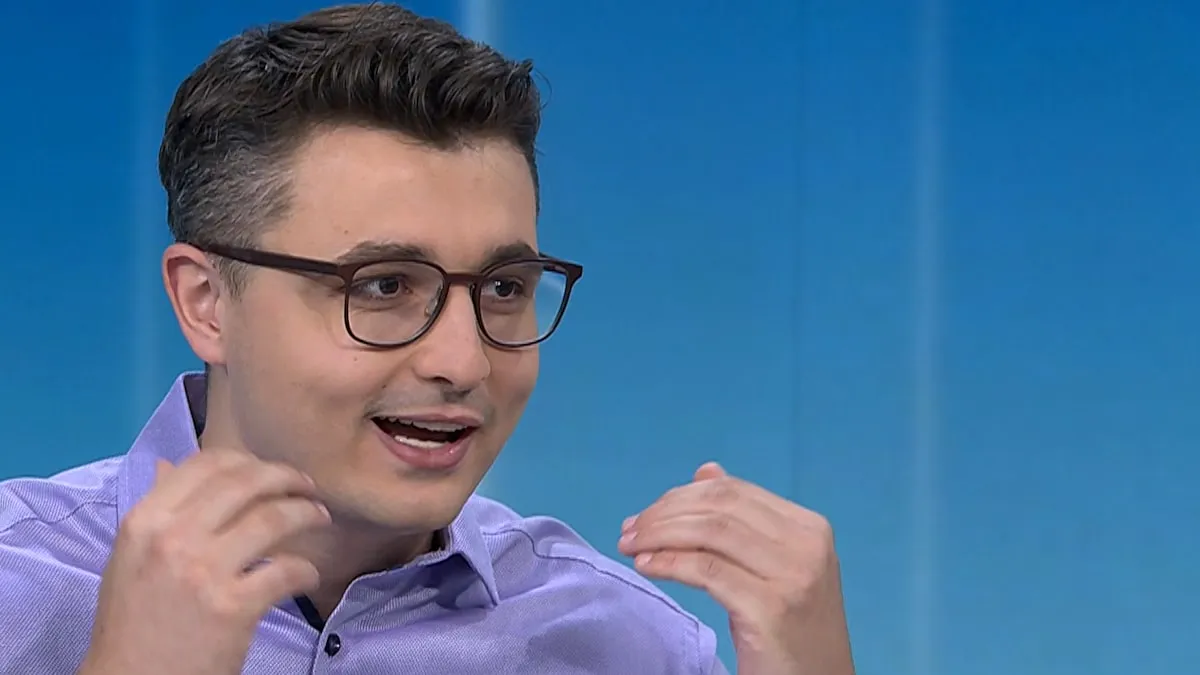
Söder's political maneuver instantly became a hot topic. Maximilian Heimerzheim, WELT's Political Editor, closely observed Merz's reaction. “He [Merz] wanted to introduce Frei. Then Söder came and said how good the predecessor was,” Heimerzheim revealed, highlighting Merz's palpable displeasure.
Friedrich Merz, a central figure in the CDU, was believed to have his own agenda for the session, which was to promote a colleague named Frei. However, that scenario was disrupted when Söder, leader of the sister party CSU, took the stage with praise that was not only surprising but also potentially rivaled Merz's influence.
Jens Spahn, as a former Health Minister and a senior figure within the CDU, has a long track record in German politics. Söder's praise could be interpreted as recognition of his contributions or even a strategic signal of support from the CSU.
German political observers interpret Söder's action as a shrewd and calculated move. It could be an attempt to forge new alliances, send a strong message to Merz, or simply reassert the CSU's dominant position within the Union coalition.
This incident highlights the fragile balance of power within the Union parliamentary group. The apparent tension between Söder and Merz indicates a behind-the-scenes struggle for narrative and influence, far from the image of unity often attempted to be projected.
Merz's reaction, described by Heimerzheim as his “jaw dropping”, shows how unexpected Söder's intervention was. This is not just a matter of differing opinions, but a struggle for the spotlight and momentum in an important party forum.
This event also adds to the long list of internal challenges faced by the CDU and CSU entering 2026. With various domestic and global issues awaiting, internal party cohesion is crucial for maintaining Germany's political stability. Some time ago, similar internal dynamics were also recorded in a heated Berlin debate involving CDU politicians.
This incident at the special faction session has the potential to spark further discussions regarding the Union's future leadership strategy. Is this a sign of a power shift or merely a momentary maneuver? Only time will tell the true impact of this captivating political incident.
The future leadership within the Christian Union faction will heavily depend on how Merz and Söder navigate this new dynamic. Upcoming sessions are likely to be closely monitored to see whether tensions subside or escalate further, shaping Germany's political landscape in 2026.