 Stefani Rindus
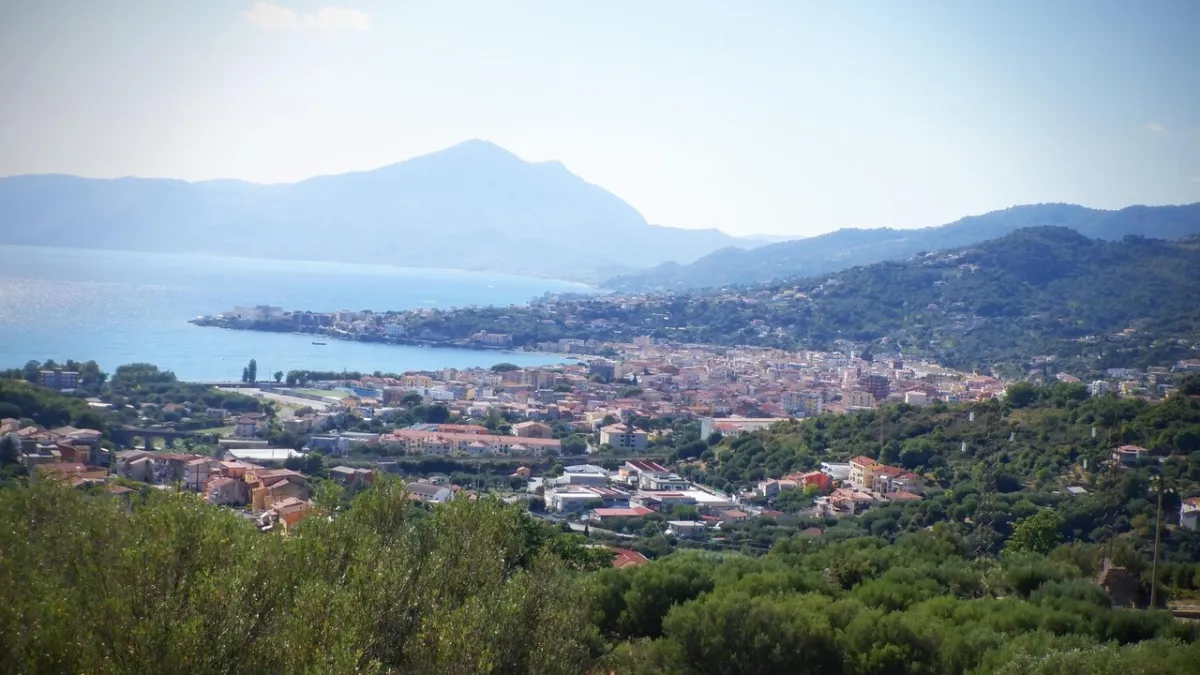
ROME — Southern Italy's economic prospects face a serious threat. Latest projections indicate that without the continued support from the National Recovery and Resilience Plan (PNRR), the Gross Domestic Product (GDP) growth in the Mezzogiorno region is expected to halve dramatically by 2027. This condition is feared to widen the economic gap with the Centre-North once again, after four years of significant improvements thanks to the massive stimulus.
This projected decline marks a return to historical trends where the pace of economic development in the southern regions consistently lagged behind the northern and central parts of the country. The PNRR, a vital instrument for post-pandemic recovery, injected trillions of euros into various infrastructure projects, digitalization, and structural reforms, particularly in historically underdeveloped areas.
The conclusion of the PNRR funding cycle by the end of 2026 is expected to create an investment void that will be difficult to fill in the short term. Economists warn that without a concrete and sustainable replacement strategy, the growth momentum built over the last four years will fundamentally lose its drive.
Analytical data suggests that after the 2023-2026 period, during which Southern Italy demonstrated relatively strong GDP growth—often surpassing the national average—the situation will sharply reverse. The region's GDP growth rate is projected to slow dramatically, well below the expected levels for the Centre-North, potentially reaching only half of its potential.
The impact of this slowdown will not be limited to macroeconomic figures but will permeate the real sector. Many small and medium-sized enterprises (SMEs) relying on the supply chains of PNRR projects or related stimuli will feel the pressure. Potential increases in unemployment and a decline in public purchasing power are major concerns.
The Italian government, led by Prime Minister Giorgia Meloni (assuming she remains in office in 2026), faces a significant challenge in formulating post-PNRR economic policies. Intensive discussions are ongoing in Parliament and relevant ministries regarding mitigation measures and the search for alternative investment sources.
"We cannot allow Southern Italy to revert to a pattern of stagnation," stated a senior economist from Bankitalia during an online seminar. "Deeper structural reforms are needed, not just financial injections. Better infrastructure, streamlined bureaucracy, and an efficient justice system are key to long-term investment."
The overall Italian economy is indeed facing various pressures. Previous articles have highlighted surging fuel prices and increasing consumer burdens, as reported in Italy's Fuel Prices Soar: Discount Era Ends, Consumer Burden Intensifies. This adds complexity to efforts to maintain national economic stability.
A widening gap between the North and South has not only economic but also social and political consequences. Public dissatisfaction could escalate, fueling regional tensions and challenging national cohesion. History has shown that regional disparities often trigger social unrest.
Therefore, comprehensive and visionary policies are imperative. The government must focus on developing strategic sectors, fostering innovation, and attracting private investment. Without coordinated efforts, the aspiration for balanced development across all regions of Italy will be difficult to achieve, and the risk of renewed economic decline in the South will become a bitter reality by 2027.
Development efforts also frequently encounter unforeseen challenges, such as mass protests that can halt strategic projects. An example from the past occurred when millions of Italian citizens took to the streets, as discussed in 26 Million Italians Flood Streets, Strategic Projects Temporarily Halted. This demonstrates the complex dynamics in implementing development policies.
Thus, 2026 becomes a crucial period for Italy to prepare for the post-PNRR transition. The economic future of Southern Italy, and indirectly, national economic stability, heavily depends on the policies designed and implemented in the near future. Failure to prepare will result in uneven growth and potential socio-economic upheaval.