 Robert Andrison
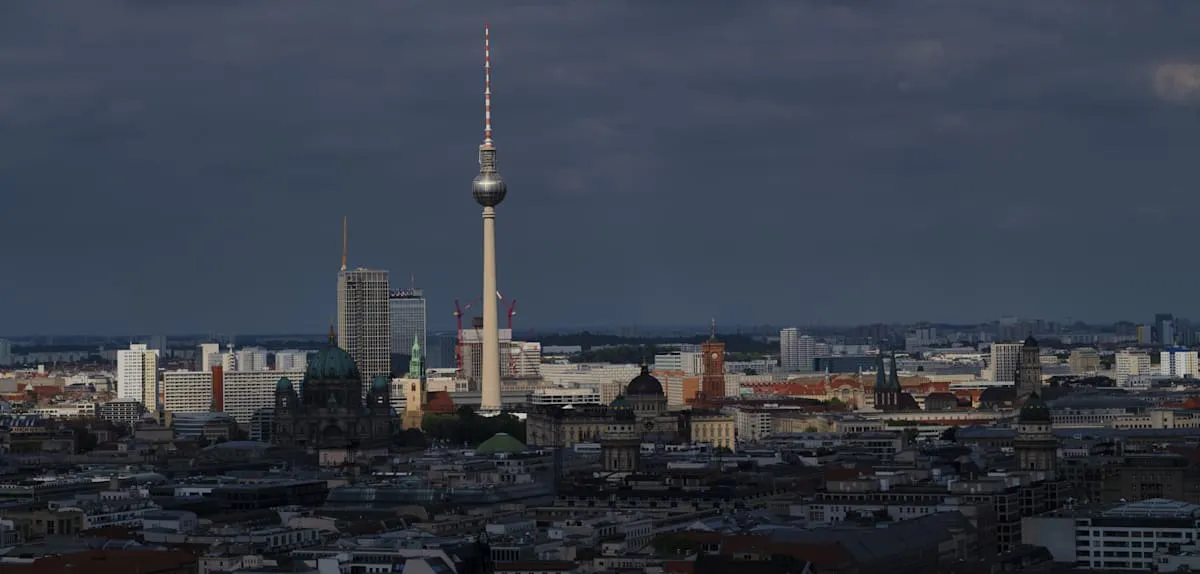
BERLIN – Germany's Social Democratic Party (SPD) is urging the government to immediately revise family reunification suspension rules, deeming current regulations too strict and hindering integration. This sharp criticism emerges as the number of exceptional cases allowed entry into the country becomes increasingly limited, raising serious concerns about humanitarian and social impacts in 2026.
The suspension of family reunification policy, aimed at controlling migration flows, has become a fierce point of debate in German politics. The SPD, a major political force, asserts that its implementation has deviated from its initial spirit of providing leeway for individuals in difficult situations.
According to an SPD spokesperson, the current rules create bureaucratic hurdles that are difficult to overcome. “There are too many obstacles for those who should be entitled to family reunification based on humanitarian considerations,” an internal SPD source stated, emphasizing the need for a comprehensive review.
This policy, originally introduced to prevent abuse of the immigration system and manage accommodation capacity, is now considered counterproductive by the SPD. They argue that extreme restrictions will only exacerbate individual isolation and complicate their adaptation into German society.
The German government, particularly the Ministry of Interior, previously argued that the suspension was not intended to “enable entire clans to enter the country,” but rather to maintain order and prevent the exploitation of legal loopholes. However, the SPD views this argument as a justification for disproportionate rules.
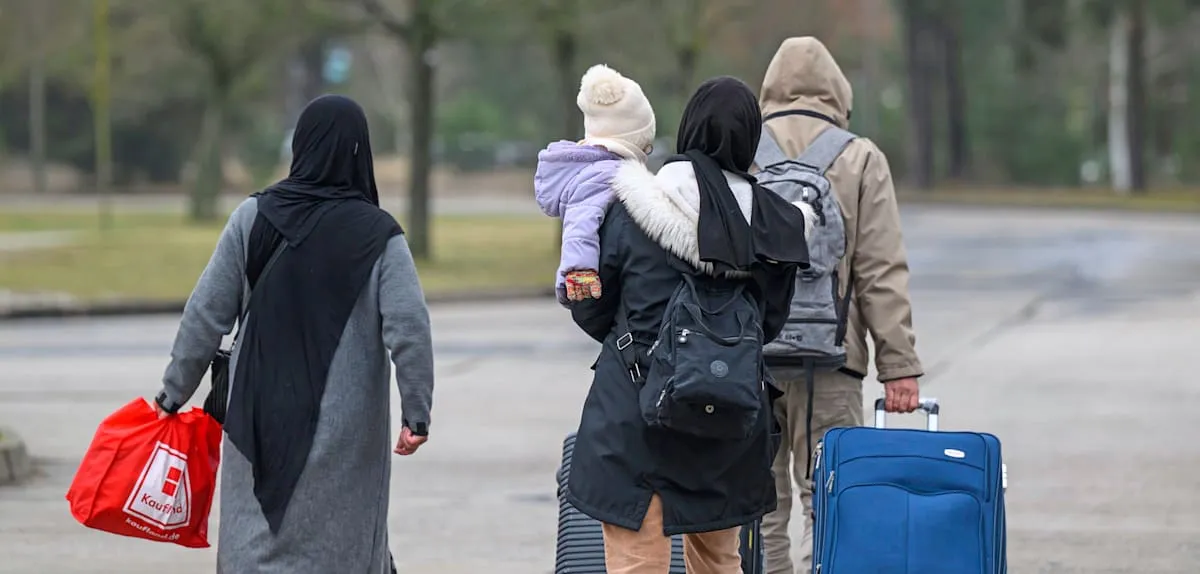
Opposition parties and human rights organizations have also frequently voiced similar concerns. They highlight that many families are forced to live apart for years, even though one family member has obtained protected status in Germany. This situation contradicts fundamental human rights values.
Social impacts of this policy are also beginning to be felt. Schools and social institutions report psychological stress experienced by children separated from their parents, as well as adaptation difficulties for those who eventually succeed in joining but have passed formative years without their nuclear family.
The SPD proposes a more flexible and transparent mechanism for assessing exceptional cases. “We must ensure that every individual with a legitimate case gets the opportunity to reunite with their family. This is a fundamental right,” an SPD representative affirmed at a recent migration discussion forum.
Discussions regarding the revision of family reunification rules are expected to be a key agenda in upcoming parliamentary debates. Pressure from the SPD and civil society groups indicates that this issue is not merely an administrative problem, but central to Germany's commitment to humanitarian values and integration.
The coalition government, which includes the SPD, is expected to face challenges in reaching a consensus. Other coalition partners may have differing views on the extent to which leniency should be granted, highlighting the complexity of formulating fair and sustainable migration policies in 2026. Such dynamics are not new in the Berlin political landscape, as seen in other heated debates, such as Berlin Political Maneuver: Krach Challenges Linken on Property Nationalization.
Editorial Insight: The SPD's criticism of Germany's family reunification rules highlights an inherent tension between the need to manage immigration and the commitment to humanitarian principles. If the government fails to find a proper balance, this issue has the potential to trigger political upheaval and deepen social polarization, especially given the continuous increase in global migration pressure. A long-term solution requires an approach that focuses not only on control but also on effective integration and the protection of fundamental rights.