 Stefani Rindus
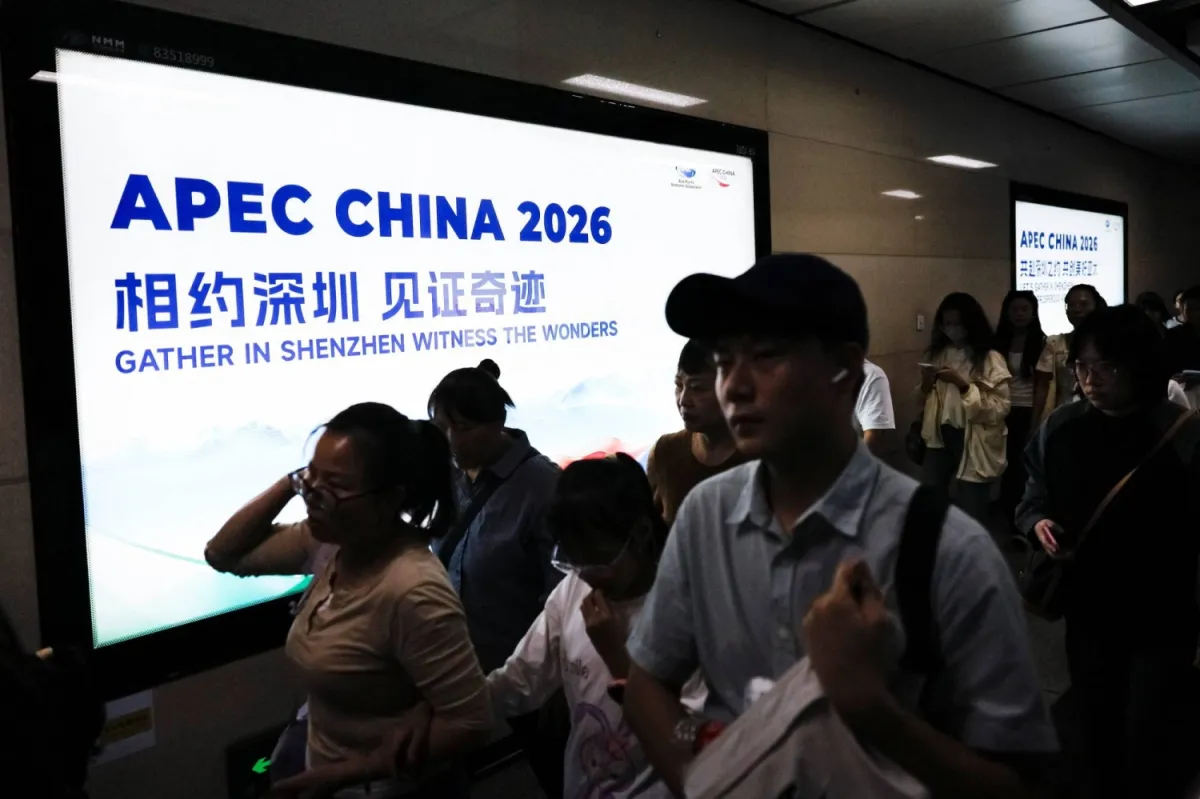
SHENZHEN – Despite facing escalating trade barriers, next-generation startups in Shenzhen, China, this year's APEC host city, are consistently opting to rely on foreign buyers to fuel their business growth. This strategic decision, evident in early 2026, reflects the intensive efforts of Chinese companies to target wealthier customer segments overseas, aiming for more substantial profit margins.
The primary focus is on developing high-quality products capable of competing in the global market. Shenzhen's innovators recognize that despite geopolitical pressures and protectionism, international markets offer profitability opportunities not necessarily found in the increasingly competitive domestic market.
This move demonstrates the remarkable resilience of Shenzhen's startup ecosystem, a city known as a hub for innovation and high-tech manufacturing. They are not merely surviving but adapting by shifting strategies from mass production to creating high-value-added products specifically for premium segments.
This phenomenon is particularly interesting given the general narrative about China attempting to focus more on its internal market. However, data indicates that many Shenzhen startups view exports as a crucial path for expansion and risk diversification.
In the context of APEC 2026 hosted in Shenzhen, this decision also sends a signal about China's economic openness and ambition. Despite global skepticism regarding trade practices, the city is proactively demonstrating its commitment to international trade, at least from the perspective of its business actors.
We see significant demand from European and North American markets for our innovative tech products, said a representative from a local smart device startup, who requested anonymity. Buyers there are willing to pay more for quality and unique features, something we struggle to fully achieve in the domestic market.
This strategy aligns with China's broader effort to transition from the world's factory to a global innovation laboratory. Companies in Shenzhen are now investing greater resources in research and development, creating new patents and technologies that appeal to international buyers.
Trade barriers such as tariffs and import regulations indeed pose challenges. However, many startups have found ways to navigate these complexities, from forging local partnerships to adjusting their supply chains. They also leverage increasingly sophisticated digital trade networks.
The success of Shenzhen startups in securing foreign buyers could have significant implications for China's overall export trends in the coming years. This could serve as a model for other Chinese cities aspiring to increase their technology sector's contribution to the national economy.
Moreover, this shift also illustrates the dynamic competition within the global technology industry. Just as chip startups in India strive to dominate global AI sensors, or the challenges faced by giants like Nvidia in the intelligence scandal shaking the company, the global tech ecosystem continues to fluctuate and seek new market niches. India's Bharat Semi Chip Startup also demonstrates that innovation knows no geographical boundaries, fostering healthy global competition.
Editorial Insight: Shenzhen startups' decision to continue prioritizing global markets, despite existing trade barriers, reflects pragmatism and a long-term vision. This is not merely about short-term gains, but an effort to build internationally recognized brands and innovation capabilities. This strategy, if successfully maintained, has the potential to strengthen China's position as a key player in the global technology ecosystem, while also challenging narratives that tend to limit its economic ambitions solely to the domestic market. However, the sustainability of this strategy will heavily depend on adapting to continuously evolving geopolitical dynamics.