 Chandra Wijayanto
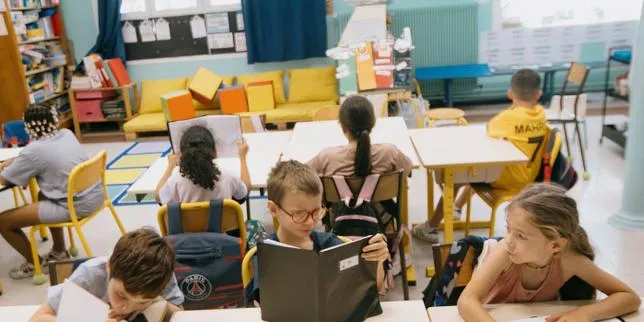
PARIS – The French Ministry of National Education has released a shocking study. One in three primary school students (CE2, CM1, CM2 levels) reported experiencing sexual violence within school environments during the 2024-2025 academic year. These findings, published by the ministry's statistical department, immediately sparked serious concerns regarding child safety in the nation's educational institutions.
The study specifically highlighted that one third of the total student respondents, generally aged between 8 and 11 years old, had bitter experiences related to sexual violence. This figure far exceeds previous estimates and indicates a scale of the problem that has not been fully uncovered.
This comprehensive survey was conducted by the statistical service of the Ministry of National Education (DEPP) as part of the government's efforts to understand the prevalence and dynamics of violence in schools. The data collection methods were designed to encourage students to share their experiences safely and confidentially.
The collected data covers incidents throughout the 2024-2025 academic year. This report serves as a crucial benchmark for the formulation of education and child protection policies in France in 2026, demanding an adaptive and proactive response.
Although the survey sought to maintain respondent anonymity, the initial report did not specify the identity or exact age of the perpetrators of the reported violence. This lack of perpetrator demographic data is a significant gap that needs to be addressed in further investigations and in-depth analysis.
The French public, particularly parents and educators, reacted with condemnation and calls for immediate action. Child protection organizations urged for greater transparency and concrete steps from the authorities to systematically address this crisis.
The French government, through the Ministry of National Education, is expected to promptly formulate a detailed action plan. Public pressure to enhance security protocols and child violence reporting mechanisms in schools is intensifying. This issue adds to the long list of challenges faced by the French education sector, as previously highlighted in the issue France in Turmoil: Will Government Promises Be Enough to Appease Students and Youth? which also demanded a government response.
This data is crucial for formulating effective policies and targeted intervention programs. The government needs to review education curricula, teacher training, and adequate psychological support systems for victims of violence.
The psychological impact on child victims of sexual violence can last a lifetime, affecting their mental and emotional development. The importance of early intervention and continuous support cannot be overstated to ensure their recovery and optimal growth.
While comparative data across countries is difficult to obtain with identical methodologies, this one-third figure places France in a worrying position regarding child protection in global educational institutions.
Experts suggest close collaboration between schools, families, law enforcement agencies, and non-governmental organizations to create a truly safe and empowering learning environment. A multi-sectoral approach is essential to address the root causes.
This challenge demands a comprehensive evaluation of existing surveillance systems, anti-violence policies, and school culture. The primary goal is to ensure that every child can learn without fear and trauma, and feel protected in every corner of the school.
Editorial Insight: These alarming findings are not just statistics, but a reflection of the fragility of child protection systems within French educational institutions. The lack of perpetrator details indicates the complexity of the problem extends beyond internal school supervision and demands a broader investigation. The French government must act swiftly and decisively, not merely with promises, but with structural reforms that protect the future of its youth. Inaction will lead to an erosion of public trust in the education system and jeopardize the well-being of children.