 Angela Stefani
GENEVA – Richemont, the Swiss luxury goods conglomerate, successfully reported financial performance far exceeding market expectations in 2026. Their latest earnings report showed a significant surge, primarily driven by the stellar performance of renowned jewelry maisons such as Cartier and Van Cleef & Arpels. This achievement surprised many amidst a global slowdown trend in the luxury sector.
This unexpected profit increase sends a positive signal to the luxury industry, which had been overshadowed by pessimistic sentiments. Market analysts previously predicted significant challenges for players in this sector due to global economic uncertainties and shifts in consumer spending patterns post-pandemic.
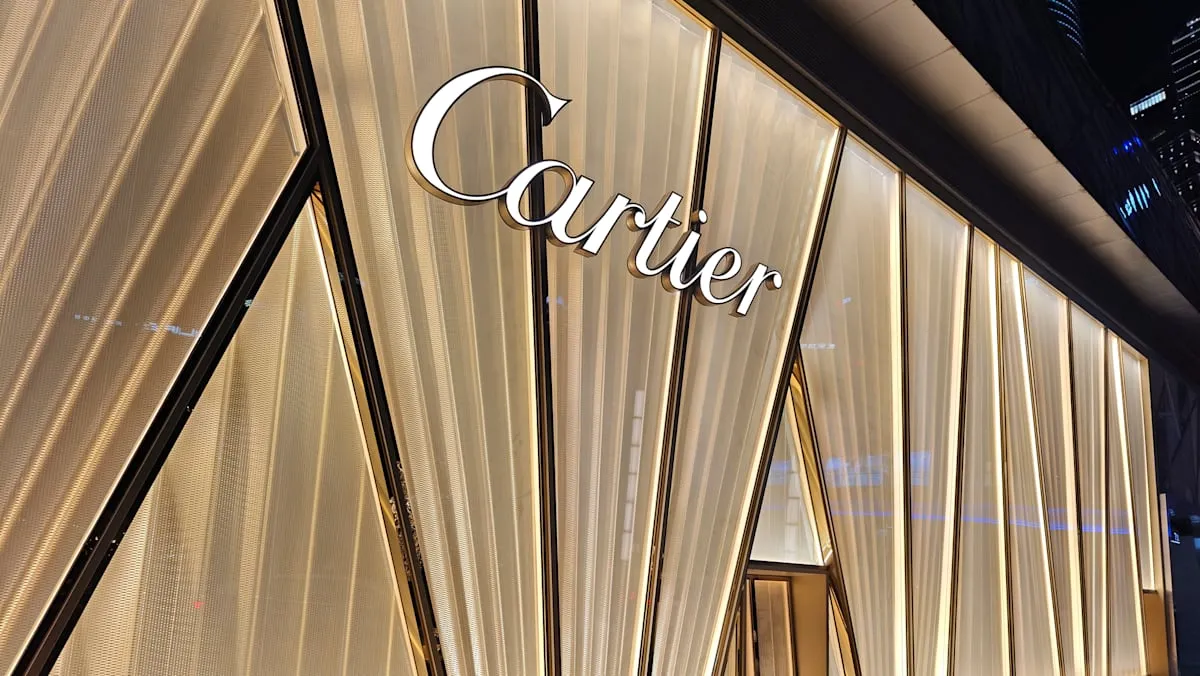
Two main pillars driving Richemont's success are its iconic jewelry houses. Cartier, with its classic and exclusive designs, continues to attract high-end consumers, maintaining strong relevance and purchasing power.
Equally brilliant, Van Cleef & Arpels also demonstrated substantial growth. This maison's unique collections and high-quality craftsmanship resonated strongly in market segments seeking uniqueness and long-term investment in jewelry.
A Richemont Group spokesperson, who preferred not to be named, stated, We are incredibly proud of the resilience and innovation demonstrated by our teams. Our consumers continue to value the quality, heritage, and craftsmanship we offer.
Beyond the dominance of jewelry, Richemont's specialist watchmaking segment also began to show signs of recovery. After a period of stagnation, demand for prestigious watch brands like IWC Schaffhausen, Jaeger-LeCoultre, and Panerai saw a gradual increase.
This recovery was driven by several factors. Strategic efforts to reach new markets, especially in East Asia, coupled with adaptation to consumer preferences shifting towards classic models and limited editions, proved effective.
The latest financial report reflects Richemont's robust diversification strategy. With a balanced brand portfolio across jewelry, watches, and other luxury accessories, the company managed to mitigate the impact of fluctuations in a single segment.
Richemont's success contrasts with some competitors who are still struggling to overcome inflationary pressures and changing purchasing trends. This positions the Swiss company advantageously in the global market competition of 2026.
Investors welcomed this news. Richemont's stock price appreciated following the earnings announcement, indicating market confidence in the company's future growth prospects.
Amidst unexpected global economic challenges, Richemont's ability to continue growing confirms that the luxury goods sector still possesses strong appeal and a loyal market segment.
This also proves that investing in brands with heritage and proven quality is a sustainable strategy, even when the economic climate is turbulent.
Editorial Insight: Richemont's performance in 2026 highlights a paradox in the luxury market: despite general economic sluggishness, demand for ultra-luxury items, considered investments or status symbols, remains robust. This indicates a polarization in consumer purchasing power and sustainable growth potential for brands with strong identities and high intrinsic value. The success of Cartier and Van Cleef & Arpels will serve as an important case study for other luxury firms in the future.