HAMBURG – The policy of imposing a five-euro entrance fee to access the iconic Elbphilharmonie Plaza in Hamburg has triggered a drastic 31 percent drop in visitor numbers in October 2026. Nevertheless, this strategic move successfully boosted the Hamburg Senate's revenue by 410,000 euros, creating a dilemma between public accessibility and financial gain.
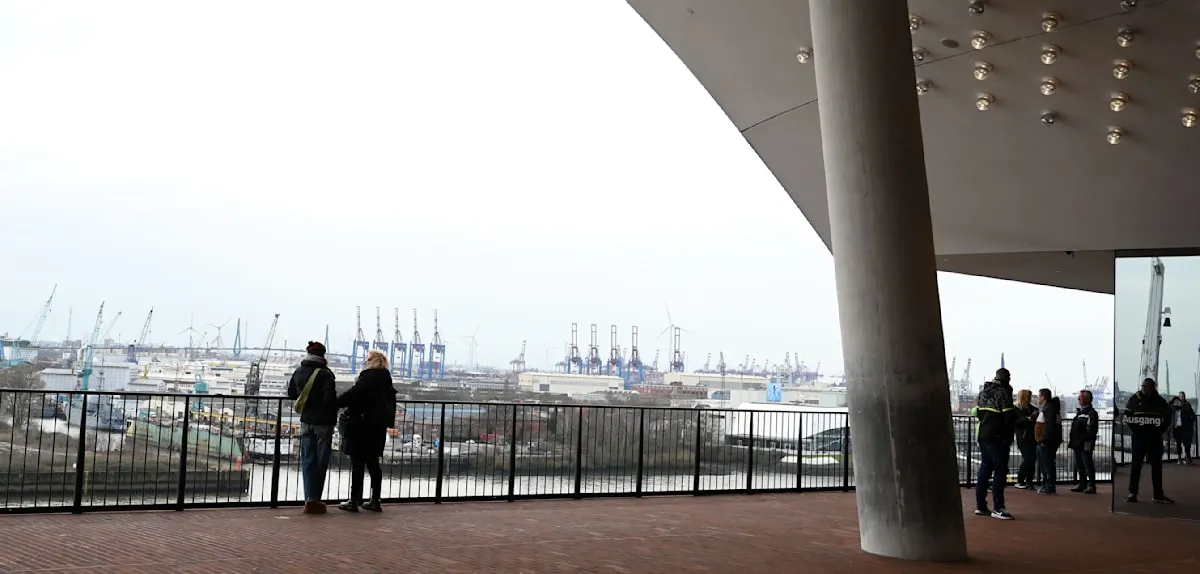
The crucial decision to charge visitors for the Elbphilharmonie Plaza came into effect prior to this period. Previously, the observation deck, offering breathtaking panoramic views of the Elbe River and the city of Hamburg, was freely accessible, making it a major attraction for both tourists and local residents.
The Hamburg Senate reasoned that the imposition of this fee is an effort to diversify revenue streams and ensure the continuous maintenance of the magnificent facility. The Elbphilharmonie, known for its futuristic architecture and world-class acoustics, requires substantial operational and upkeep costs.
Statistical data released indicates that in October 2026, following the implementation of the fee policy, the number of visitors passing through the Elbphilharmonie Plaza decreased significantly. The 31 percent figure represents thousands of individuals who opted not to pay, or sought other free tourist destinations in Hamburg.
This decline raises questions about the long-term impact on the Elbphilharmonie's image as an inclusive cultural and architectural symbol. Many are concerned that the entrance fee might restrict access for certain segments of society, especially those with financial limitations.
On the other hand, the additional revenue of 410,000 euros in a single month provides a strong argument for the city government. These funds can be allocated to various public needs, including subsidizing cultural programs, maintaining urban infrastructure, or even reducing the tax burden.
The Elbphilharmonie management itself has not yet issued an official statement regarding the policy's overall impact on visitor experience. However, they are certainly evaluating public response and visitation figures to formulate future strategies.
Local tourism observer, Dr. Klaus Richter from the University of Hamburg, highlighted that this phenomenon is not new. Many global landmarks face similar challenges: balancing financial needs with the desire to remain open to all, said Dr. Richter. It is important for Hamburg to find a sustainable equilibrium.
This policy has also sparked debate among Hamburg residents. Some support it for the sake of the facility's sustainability, while others lament the loss of free access to one of the city's proudest assets.
The Hamburg government is expected to continue monitoring visitation trends and revenue in the coming months. Transparency regarding the allocation of collected funds will also be key to maintaining public trust and the legitimacy of this policy.
Editorial Insight: The Hamburg Senate's decision to implement an entrance fee for the Elbphilharmonie Plaza reflects the complex dynamics between funding world-class public facilities and the principle of accessibility. While the additional 410,000 euros in revenue is a significant gain for the city's coffers, the 31 percent drop in visitors indicates a segment of society or tourists resistant to the policy. The challenge ahead is how Hamburg can maintain the Elbphilharmonie's status as a global icon without compromising its identity as a welcoming and accessible public space for all segments of society, or by finding a hybrid model that offers flexibility.