 Debby Wijaya
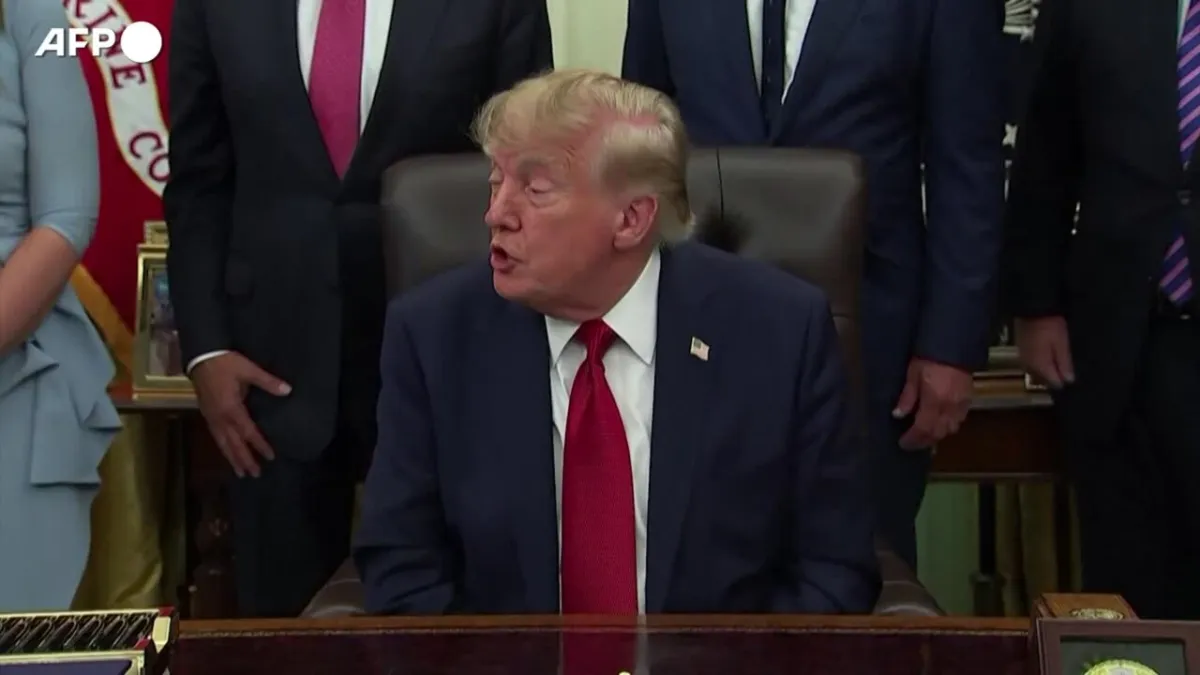
WASHINGTON D.C. – United States President Donald Trump has once again ignited a wave of global controversy after officially banning access for three prominent media organizations, CNN, MSNBC, and Politico, from the White House. This drastic decision, announced in 2026, is based on accusations that these three outlets consistently spread 'fake news' or misinformation regarding his administration.
President Trump's firm stance is not new. Since his first term, he has shown a critical attitude towards several media outlets he deemed unfair or biased. However, a direct ban on White House access marks a significant escalation in the tense relationship between the government and the press.
White House Press Secretary, Sarah Huckabee Sanders, stated in an emergency press conference, The President will not tolerate systematic attempts to undermine the integrity of his administration through untrue narratives. This policy is adopted to protect the public from misleading information.
CNN immediately released a strong statement, calling the action an outright attack on press freedom. Their senior journalists urged President Trump to lift the ban, emphasizing the media's vital role in overseeing power and providing accurate information to the public.
MSNBC, through an editorial broadcast, described the incident as a clear attempt to silence criticism and control public narrative. They insisted that their reports are based on facts and rigorous verification.
Meanwhile, Politico, known for its in-depth political coverage, deplored the decision. Politico's editor-in-chief stated, We will continue to report the truth, regardless of whether we are granted physical access to the White House or not. The principles of journalism cannot be silenced.
This policy immediately drew diverse reactions across the American political spectrum. Supporters of President Trump praised the move as a bold action against 'media bias,' while civil liberties and journalism advocacy groups voiced deep concerns.
The White House Correspondents Association (WHCA) expressed its regret and pledged to seek dialogue with the administration to find a solution. Press freedom is a pillar of democracy, said the WHCA president, and limiting access means limiting the public's right to know.
Some political observers believe that this action could set a dangerous precedent for the future relationship between government and media. It could erode public trust in media institutions and create a more polarized environment.
Conversely, the president's opponents view this as a further indication of Donald Trump's consistent efforts to control public narratives and delegitimize media that do not align with him.
Mass communication academics underscored the importance of fact-checking in an era of rampant disinformation. However, they also warned of the danger when the government itself determines what constitutes 'fact' and who is allowed to report it.
The long-term impact of this ban remains to be seen. Will these media outlets find new ways to obtain information from the White House, or will polarization deepen further?
Editorial Insight: President Trump's action to ban media access to the White House reflects escalating tensions between the government and the independent press. This is not merely a power struggle, but a fundamental debate about the definition of truth and the role of journalism in a democratic society. Press freedom is essential, and any attempt to restrict public access to information must be viewed as a serious threat to the integrity of democracy.