 Robert Andrison
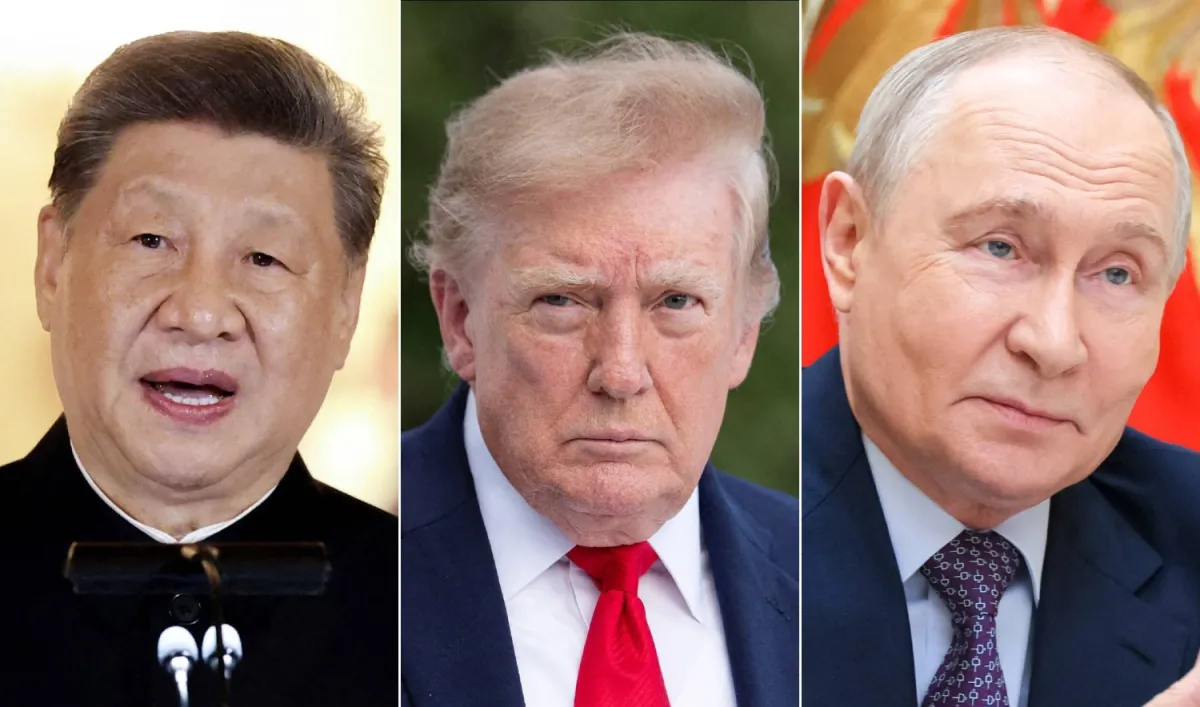
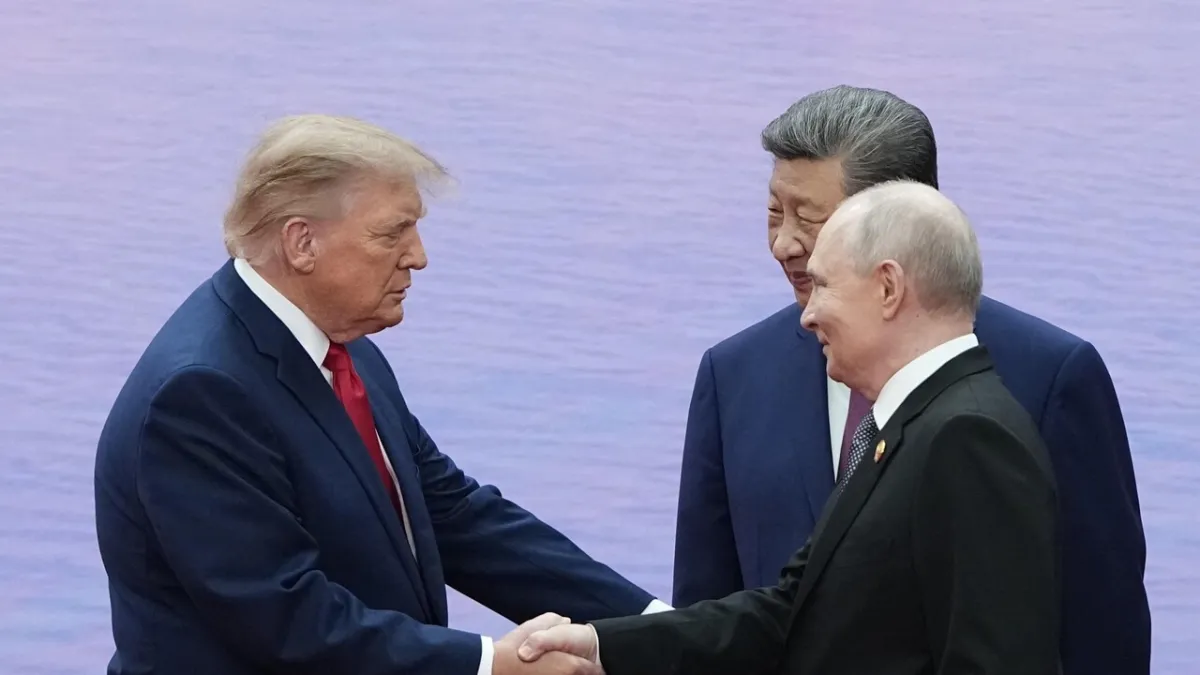
WASHINGTON – US President Donald Trump is expected to hold a meeting with Russian President Vladimir Putin and Chinese President Xi Jinping in 2026, an initiative seen as rich in political symbolism but potentially short on concrete substance. This planned meeting has sparked serious concern among US allies, who view it as a worrying precedent amidst increasingly complex global geopolitical dynamics.
Initial analyses suggest that this trilateral meeting between the three superpower leaders is more likely to be a stage for projecting power and shifting global narratives rather than deep policy negotiations. Political observers highlight how such interactions can strengthen non-Western positions on the international stage.
Washington's allies in Europe and the Asia-Pacific are beginning to voice their anxieties. They fear that this direct dialogue approach, without thorough preparation, could undermine traditional US alliances and send ambiguous signals regarding security commitments. A related article, Bahrain Tingkatkan Kewaspadaan: Klaim Iran Serang Pangkalan AS Picu Krisis Baru, illustrates the sensitivity of allies' positions amid foreign policy uncertainties.
US relations with Russia and China continue to be marked by tension across various domains, from trade and cyber issues to military dominance. Russia and China, both significant challenges to American hegemony, are often accused of seeking to establish a new multipolar world order.
President Trump, with his often unconventional diplomatic style, is known to prefer direct meetings with world leaders, sometimes bypassing traditional diplomatic channels. This approach, previously seen in negotiations with North Korea, often yields surprising effects on the global stage.
Such a meeting could influence the global balance of power. If successful, it could open new communication channels; however, if it fails, it could exacerbate mistrust and polarization among superpowers. Analysts conclude that the political risks of this meeting are very high.
Domestically in the United States, this move is likely to spark fierce debate among politicians and foreign policy experts. On the other hand, countries like Australia and the Philippines, facing Chinese aggression, will also closely monitor the meeting's outcomes, as discussed in Aliansi Kuat: Australia dan Filipina Tingkatkan Pertahanan Hadapi Agresi Tiongkok.
The symbolism of this meeting sends a clear message: that the world's three largest powers can sit together, regardless of ideological differences and interests. This message, intentional or not, can be interpreted as legitimizing the view that the United States is no longer the sole unchallenged dominant power.
A senior anonymous diplomat stated, 'It is not about what they will agree upon, but about the very fact that they are meeting. That in itself is a powerful political declaration.' This opinion underscores the importance of perception in high-level diplomacy.
History records many similar meetings of world leaders where tangible outcomes were limited, but their impact on the political narrative was immense. This meeting has the potential to fall into that category, marking a new era of diplomacy.
For US foreign policy under President Trump, this meeting will be a test of its ability to balance national interests with maintaining ally trust. The recent chaos in the US air travel system, as highlighted in the article Kekacauan Udara AS: Ribuan Penerbangan Dibatalkan, Sistem FAA Lumpuh Parah!, also points to domestic infrastructure vulnerabilities that could affect global perception.
Editorial Insight: President Donald Trump's meeting with Presidents Putin and Xi Jinping, though potentially short on substance, represents a geopolitically significant maneuver. The symbolism of this encounter sends a strong message about the recalibration of global power and potential shifts in alliances. The editorial team believes that regardless of negotiation outcomes, the image of unity among these three nations will become a hot topic, potentially testing the solidity of the Western bloc and forcing US allies to re-evaluate their long-term strategies. The long-term impact on the post-2026 world order warrants close observation.