 Angela Stefani
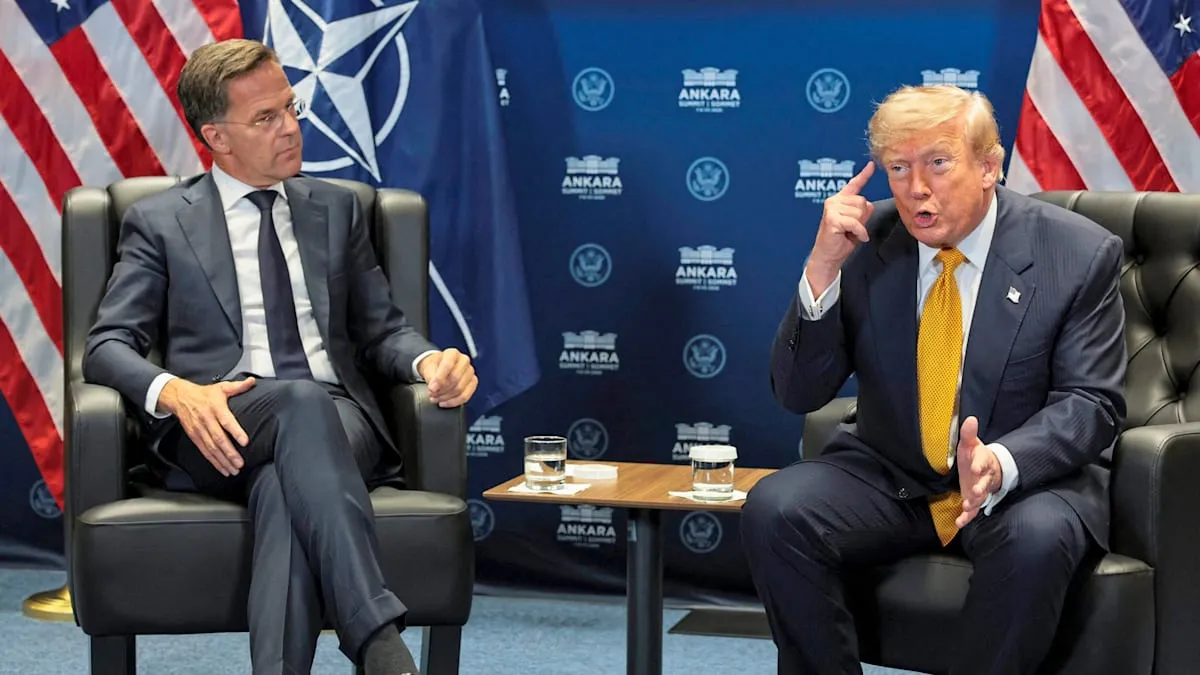
ANKARA — United States President Donald Trump unleashed extreme anger at the NATO Summit in Ankara, Turkey, in 2026. He harshly criticized the defense alliance, openly stating he no longer wished to deal with Spain and labeling Iran as a country with “very dangerous and sick people.” These controversial remarks shook the international diplomatic arena, sparking speculation about the future direction of US foreign policy.
The incident occurred during a closed-door session of the NATO Summit, but President Trump's strong statements quickly spread to the public, generating a wave of reactions from various world capitals. Reports from attending delegates indicated that Trump's tone was exceptionally harsh, reflecting deep frustration with several alliance members.
The relationship between the United States and NATO has often been marked by tension, particularly concerning burden-sharing and defense commitments. However, this time, President Trump's anger appeared to reach its peak, questioning the relevance and effectiveness of the transatlantic military alliance in addressing global geopolitical challenges in 2026.
Not only NATO, but Spain also became a target of sharp criticism. President Trump explicitly stated, “I want nothing more to do with Spain.” This statement immediately caused confusion and concern among diplomats, given that Spain is an important member of the European Union and a strategic partner on various regional issues.
However, the most provocative part concerned Iran. In his emotional remarks, President Trump asserted, “There are very dangerous people in Iran, they are sick.” This statement indicates an escalating tension between Washington and Tehran, which has persisted for years.
This strong condemnation of Iran has the potential to worsen security conditions in the Middle East, especially given concerns about Iran's nuclear program and its activities in the region. These concerns are amplified by reports indicating increased military activity in the area.
Such threats against Iran also recall previous developments, as reviewed in the article “US Military Attack on Iran Triggers Tehran's Retaliation Threat 2026,” which highlighted the potential for future conflict escalation. Trump's statement in Ankara seems to be the latest confirmation of the uncertain situation.
Meanwhile, Trump's criticism of NATO is not new. He has frequently demanded greater contributions from European member states. Similar issues were raised in the news “Trump Criticizes NATO: Meloni Liked, But Provides Little US Help” which highlighted his views on some European leaders.
Reactions from other NATO member countries, including Germany, France, and the UK, are expected to vary, ranging from disappointment to efforts to de-escalate tensions. The stability of this alliance is at stake amid the harsh rhetoric delivered by the leader of the superpower.
Spain has not yet issued an official response, but intensive consultations are expected at the diplomatic level and within the European Union to evaluate the impact of Trump's statements. Transatlantic relations, a key pillar of global diplomacy, now face an unprecedented severe test.
This situation places the international community at a crossroads, between maintaining the unity of traditional alliances or facing potential fragmentation that could drastically alter the global geopolitical map. The world awaits the next steps from the White House following this dramatic NATO Summit in Ankara.