 Gabriella
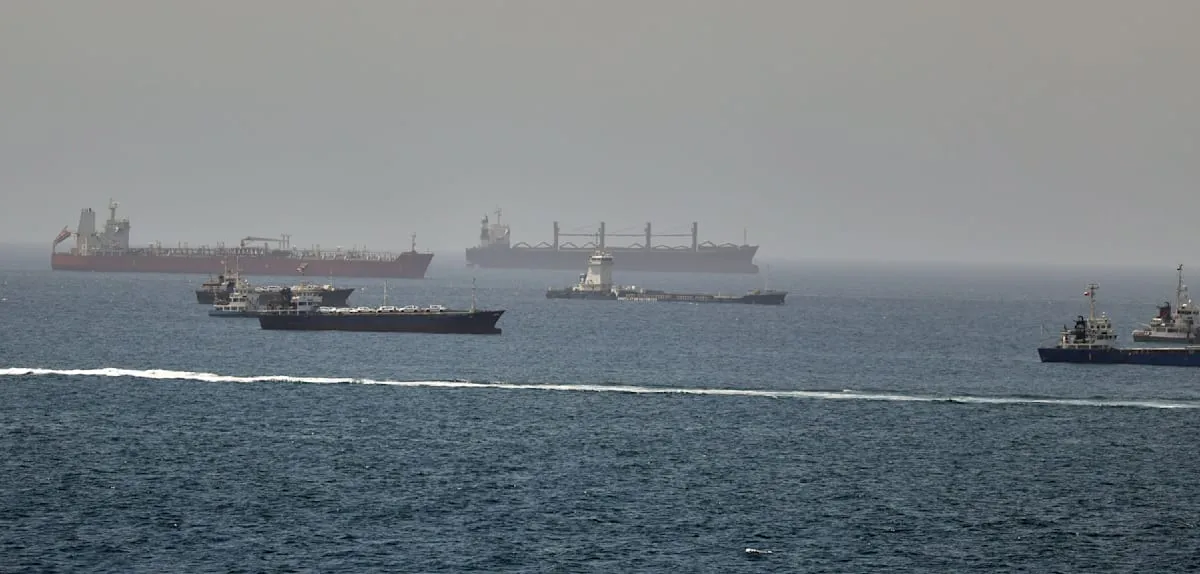
WASHINGTON — The United States military launched a series of "heavy" air strikes against various targets within Iranian territory in early 2026, following incidents involving attacks on several oil tankers in the Strait of Hormuz. This military operation, which lasted for hours, targeted military bases and strategic port facilities, immediately prompting Tehran to issue a stern threat of retaliation.
Statements from unnamed US officials indicated that the attacks were a direct response to the escalation in one of the world's most critical shipping lanes. The strikes were designed to degrade Iran's capability to threaten maritime navigation and project military power in the Gulf region.
TEHRAN — In response to this aggression, Iran's Foreign Ministry, through its spokesperson, Abbas Mousavi, affirmed that the US action constituted an unacceptable violation of sovereignty. "Iran will not hesitate to take decisive and proportional retaliatory measures to defend itself and protect its national interests," Mousavi stated in a press conference broadcast on national television. This threat adds a significant layer of tension to the Middle East.
The Strait of Hormuz, situated between the Persian Gulf and the Gulf of Oman, is a vital choke point for one-third of global oil supplies. Any disruption in this strait has the potential to trigger devastating economic and energy turmoil worldwide. Previous conflicts in this area, including ship seizures and drone attacks, have repeatedly sparked international concern.
WASHINGTON — Pentagon Spokesperson, Major General Patrick Ryder, declared that this operation was an effort to restore regional stability and ensure freedom of navigation. "The United States does not seek conflict, but we will protect our personnel and interests, as well as our partners in the region," Ryder said, adding that Washington had sought de-escalation prior to taking military action.
On the other hand, analyses by several geopolitical experts suggest that these attacks carry a high risk of escalation. Former US Ambassador to the UN, Nikki Haley, now a prominent political observer, warned of the potential for miscalculation by both sides. "This situation is highly volatile; one misstep could drag us into a broader conflict," Haley stated in an interview with CNN.
This tension immediately impacted global energy markets. Crude oil prices surged sharply after news of the attacks spread, fueling fears of supply shortages. Energy analysts predict that if the conflict continues, global gas prices will choke consumers in various countries, as previously highlighted in the report, Harga Gas Global Mencekik: Serangan Hormuz Picu Lonjakan Drastis 2026.
Other Gulf nations, such as Saudi Arabia and the United Arab Emirates, expressed deep concern. They called on all parties to exercise restraint and seek diplomatic solutions. However, concerns about regional stability persist, given the long history of conflict and rivalry in the area.
The United Nations Security Council (UNSC) is scheduled to hold an emergency meeting to discuss this crisis. UN Secretary-General Antonio Guterres urged an immediate cessation of hostilities. "Diplomatic channels must remain open; military escalation will only exacerbate suffering and instability," Guterres emphasized in his official statement.
Several military observers compare this situation to similar incidents in the past, including maritime confrontations in the Gulf that often nearly triggered open conflict. The persistent military threats in the Strait of Hormuz indicate the fragility of the balance of power in the region.
The US government stated that it had contacted key allies in Europe and Asia to inform them of these actions and seek diplomatic support. However, reactions from allies vary, with some calling for dialogue and de-escalation, while others express solidarity with US efforts.
Analysts warn that without serious de-escalation efforts, this conflict has the potential to spill over into a larger confrontation. The mediating role of other global powers becomes crucial to prevent the Middle East from falling into an endless cycle of violence.
With Iran's threatened retaliation, the international community now holds its breath, awaiting the next steps from these two regional powers. Global stability now hinges on the wisdom of leaders to avoid further escalation.