 Gabriella
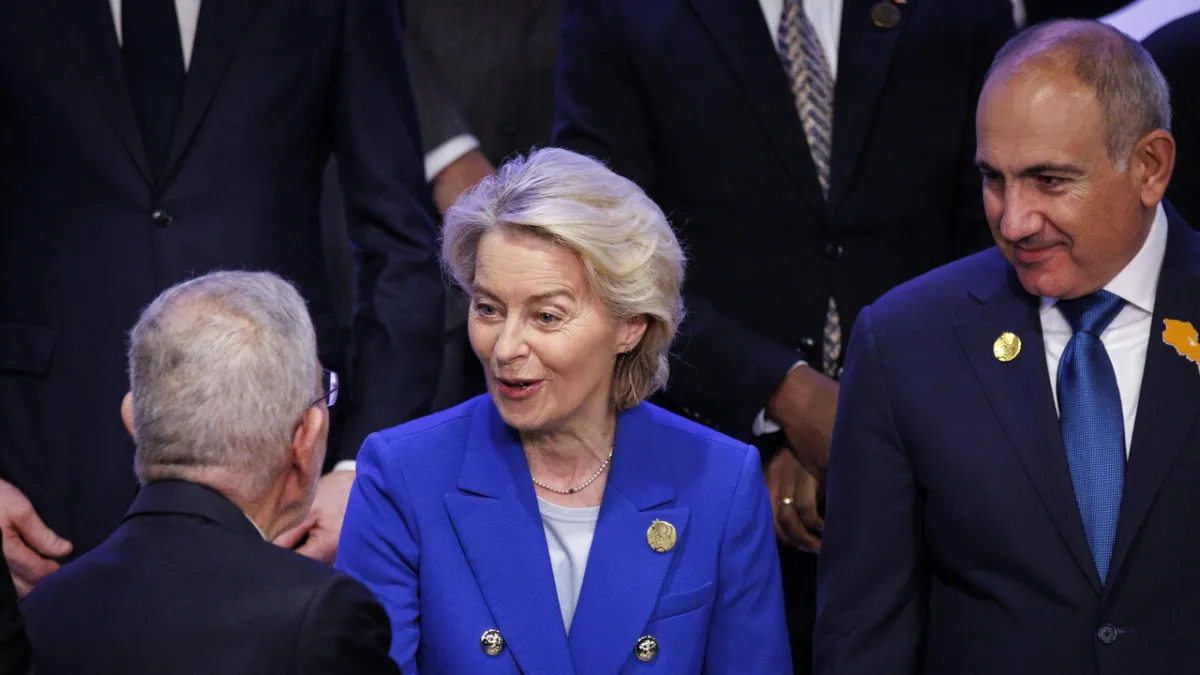
DUBAI – The European Union, through European Commission President Ursula von der Leyen, has formally approved a substantial commitment to global electrification with a '35 by 35' target at the intense 31st Conference of the Parties (COP31) in Dubai. This move marks a significant acceleration in the bloc's efforts towards a clean energy transition, simultaneously responding to the urgent calls from UN Secretary-General António Guterres for the world to end its reliance on fossil fuels permanently.
The European Union's resolution serves as a critical focal point in global climate negotiations, demonstrating the seriousness of the world's largest economic bloc in leading the decarbonization agenda. The '35 by 35' target, referring to a significant increase in electrification percentage by 2035, is expected to drive massive investments in renewable energy and its supporting infrastructure.
In a powerfully resonant speech, UN Secretary-General Guterres unequivocally voiced the urgency of the climate crisis. Fossil fuels must go extinct, just like the dinosaurs, Guterres asserted, emphasizing the need for radical and immediate action to save the planet from the threat of global warming. This statement reinforces the UN's consistent stance in urging member states to transition away from dirty energy.
Guterres' appeal aligns with reports indicating increased pressure on energy-producing nations to halt their dependence on coal, oil, and gas. Further information on this issue can be found in our previous article: UN Urges End to Fossil Fuels at COP31 Turkey: Threat of the Dinosaur Era.
Amidst these global calls, Brazilian President Luiz Inácio Lula da Silva also delivered a significant statement, affirming that Brazil is back at the climate negotiating table. Brazil's commitment to re-emerge as a key player in Amazon protection and global climate target achievement has been positively received, considering the vital role of the rainforest as the world's lungs.
COP31 itself is a crucial forum where world leaders, negotiators, and activists gather to evaluate progress in implementing the Paris Agreement and set more ambitious climate targets. Every declaration and commitment emerging from this conference has long-term implications for energy and environmental policies across all nations.
Despite the fervent spirit of electrification and energy transition, the challenges ahead are not minor. Global coordination, trillions of dollars in investment, and technological innovation are required to ensure a just and equitable transition, especially for developing countries still heavily reliant on fossil fuels.
The automotive and energy industries, for example, will feel the direct impact of such commitments. Car manufacturers are required to accelerate the development of electric vehicles, while energy companies must invest heavily in renewable power generation such as solar and wind.
The European Union's decision also has broad geopolitical implications. By pioneering electrification, the EU has the potential to set new global standards and encourage other nations to follow suit, while simultaneously reducing dependence on energy supplies from less stable regions.
Climate policy observers believe that the European Union's '35 by 35' target is a bold step that could catalyze major change. However, the success of its implementation will largely depend on sustained political will and cross-border collaboration.
Editorial Insight: The European Union's commitment at COP31, coupled with Guterres' urgings and Brazil's pledge, underscores a global paradigm shift towards clean energy. The '35 by 35' electrification target is not merely a number but a reflection of the urgency to address the increasingly tangible climate crisis. The success of this initiative will depend on concrete investment realization and policy support, as well as the ability to effectively integrate new technologies. If realized, it will be a significant milestone in the history of global climate change mitigation.