 Chris Robert
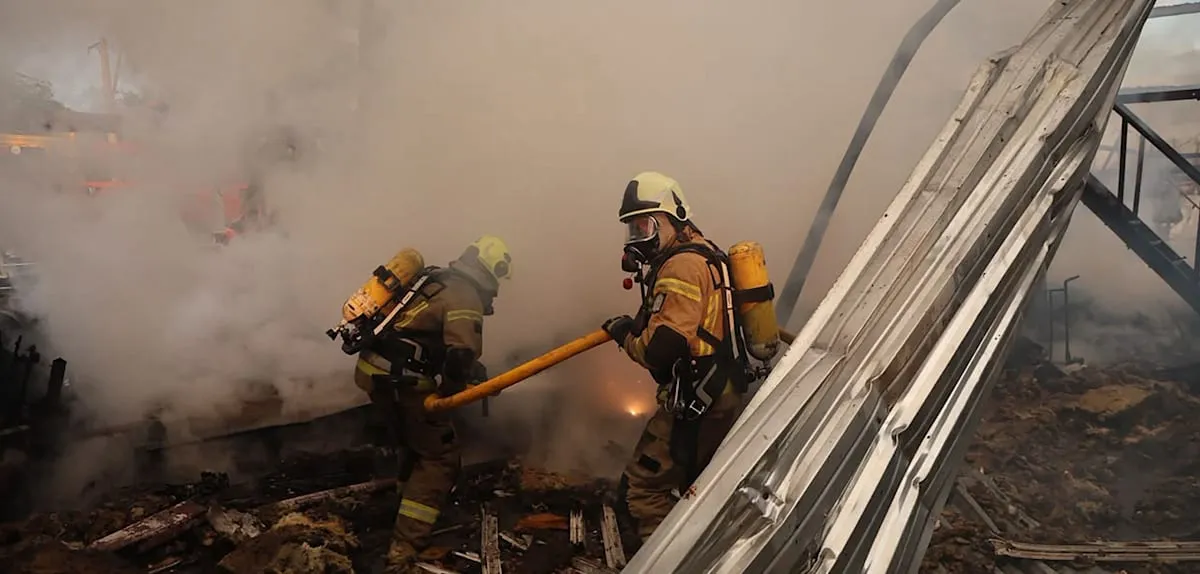
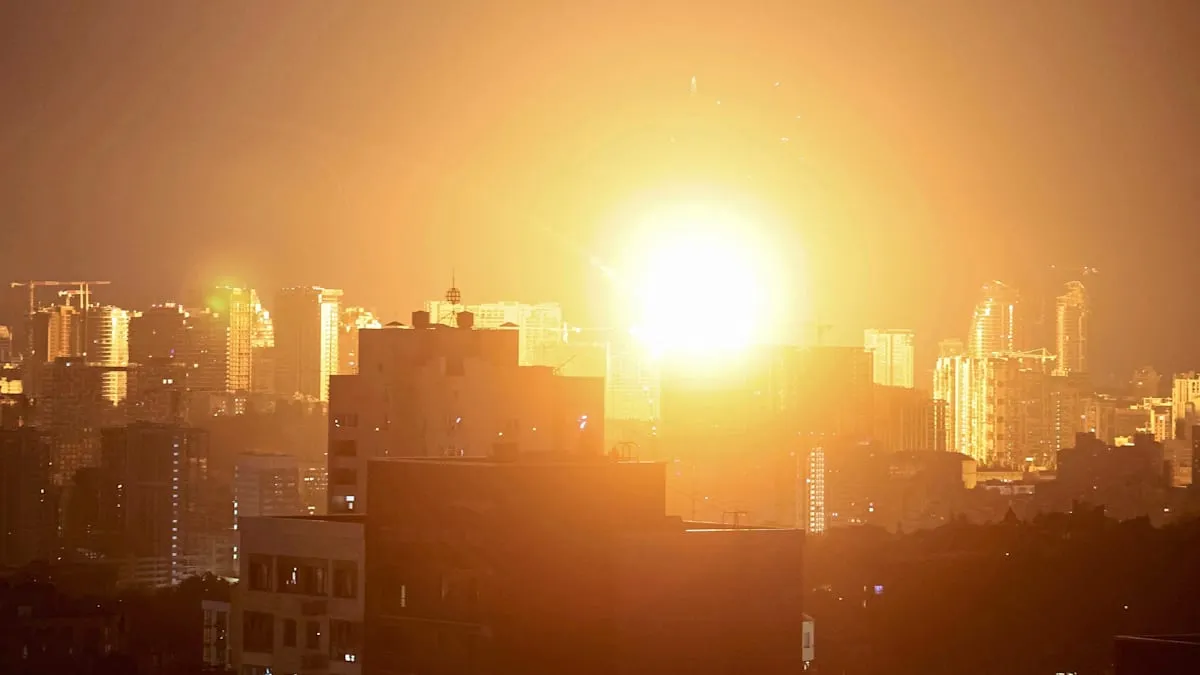
Kyiv — Amidst the euphoria over significant advances achieved by Ukrainian forces on the frontlines, civilians in the capital Kyiv are enduring a bitter consequence with the intensification of Russian missile attacks. This situation, described as "worse than ever before," unfolds as Moscow escalates its bombardment of civilian targets, a retaliatory tactic following its continuous military setbacks.
This escalation of attacks has caused widespread devastation across several Kyiv districts, claiming innocent lives and crippling vital infrastructure. The increased pressure on the civilian population underscores President Vladimir Putin's strategy of desperation, now relying more on terrorizing civilians following his forces' failure to achieve military breakthroughs on the battlefield.
According to Western intelligence reports in early 2026, the Ukrainian army successfully recaptured several strategic territories in the east and south. These victories, while commendable, ironically correlate with the suffering borne by the Ukrainian populace. Attacks on Kyiv, often occurring at night, create profound fear and uncertainty.
Major General Oleksandr Melnyk, spokesperson for the Ukrainian Ministry of Defense, stated in a virtual press conference from Lviv that, "Every step forward we make on the battlefield is paid with the blood of civilians. This is a heinous tactic designed to break our spirit, yet it only fuels the people's determination to defend their sovereignty."
The Ukrainian government identifies a pattern in these attacks: whenever there are reports of military successes on the frontlines, such as the liberation of small towns or significant advances, Moscow immediately responds with barrages of missiles targeting major Ukrainian cities, especially Kyiv. These attacks target not only military facilities but also apartment buildings, shopping centers, and energy infrastructure.
The psychological impact of these relentless attacks is severe. Kyiv residents are forced to spend hours in underground shelters or bunkers, disrupting normal life and causing ongoing trauma. Children struggle with education, while adults strive to maintain their families' economic and social stability.
Analysis from several international geopolitical experts, including Professor Dr. Elena Petrova from the University of Berlin, suggests that "Putin is attempting to create a rift between public support for Ukraine's war effort and the burden they bear. This is a futile attempt as it will only strengthen resistance."
This situation also triggers a deep humanitarian crisis. International aid organizations report an increased need for psychosocial support, medical assistance, and basic supplies for a population constantly living under threat. Healthcare infrastructure in Ukraine, particularly in targeted cities, is under extreme pressure.
Several NATO member countries, including the United States and the United Kingdom, have strongly condemned these brutal attacks and pledged to continue strengthening Ukraine's air defense systems. However, logistical challenges and the scale of Russian attacks make comprehensive protection exceedingly difficult to achieve.
United Nations Secretary-General António Guterres has called for an immediate cessation of violence and urged all parties to adhere to international humanitarian law. "Civilians must not be targets of war," Guterres emphasized in his statement.
This "worse than ever before" condition serves as a bitter reminder that the price of victory on the battlefield is often paid dearly by the most vulnerable. As Ukrainian forces continue to fight for sovereignty, the people of Kyiv are trapped in an endless spiral of violence, with every military success bringing new threats from the sky.
The situation in Kyiv indicates that despite advances on the frontlines, the Russia-Ukraine war is far from over. Uncertainty about the future continues to loom, while the world witnesses never-ending suffering.