 Demian Sahputra
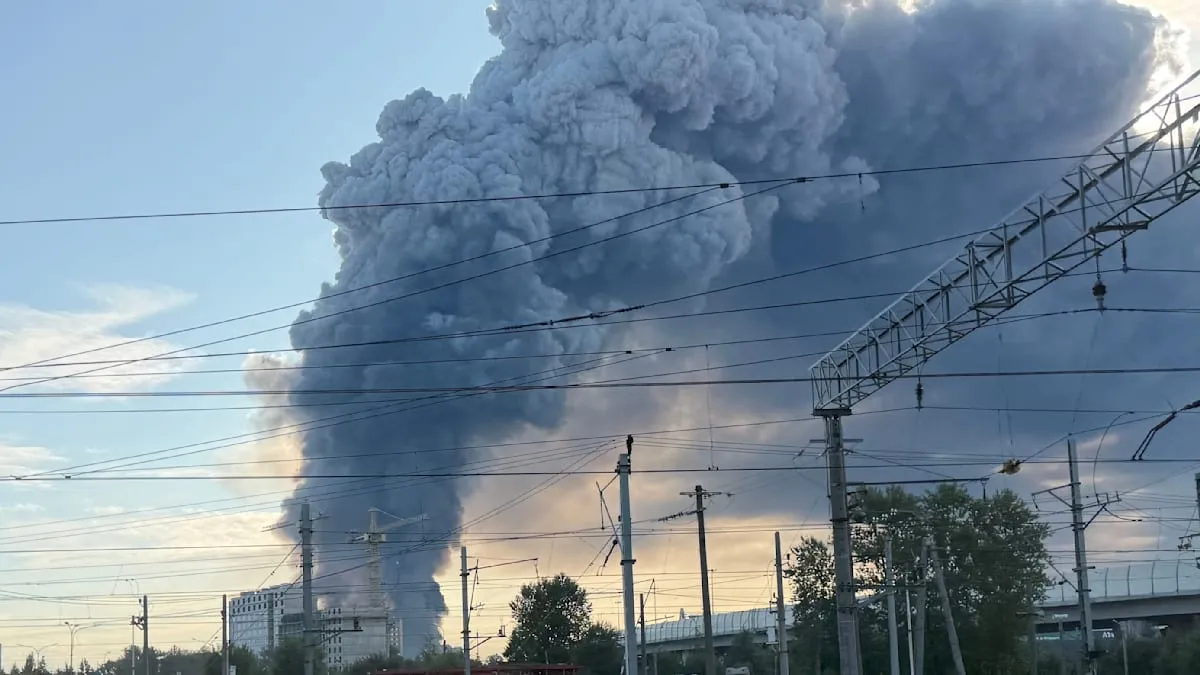
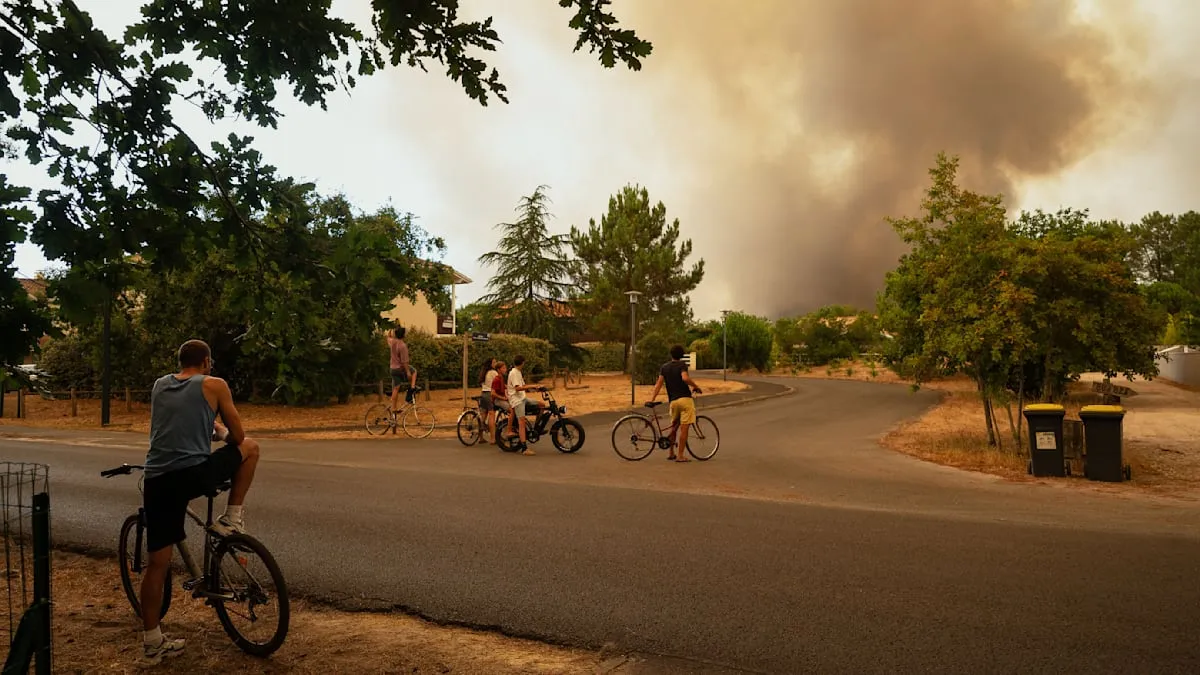
ST. PETERSBURG — Ukrainian drone attacks have once again shaken Russian territory, with a vital logistics center in St. Petersburg becoming the primary target. The incident, reported to have occurred in 2026, caused thick smoke to billow high above the city, marking the latest escalation in the ongoing conflict. The Ukrainian military effectively targeted a large distribution facility crucial for the Red Bear's supply chain.
According to senior correspondent Christoph Wanner, "This time St. Petersburg was massively hit." This statement underscores the significant intensity and scale of the attack, differing from previous incidents that might have focused on border regions or military zones. Russia’s second-largest metropolis now faces the direct impact of enemy air operations deep within its territory.
Targeting logistics facilities of this nature carries profound strategic implications. Large distribution centers not only serve civilian needs but also form the backbone of supply provision for frontline military forces. Disruptions to such operations can slow down or even paralyze the movement of essential goods, from food to military equipment.
Defense analysts view attacks on non-military yet strategic infrastructure as Ukraine's attempt to exert greater economic and logistical pressure on Russia. By hitting distribution centers deep inside Russian territory, Kyiv hopes to disrupt Moscow's ability to effectively sustain military operations and maintain domestic economic stability.
Long-range drone attacks are no longer a new phenomenon in this conflict. Since the escalation several years ago, Ukraine has developed attack drone capabilities capable of reaching far into Russian territory. This technological evolution allows Kyiv to retaliate and create uncertainty in major Russian cities, far from direct battle lines.
Russian authorities promptly responded to the incident by deploying emergency teams to the scene. Firefighters battled blazes engulfing the facility buildings, while an initial investigation was launched to identify the type of drones used and their flight paths. Local authorities also issued warnings to residents to remain calm and avoid the affected area.
The attack on St. Petersburg occurs amid rising global tensions. The conflict in Eastern Europe has triggered widespread instability, affecting energy prices, global supply chains, and the foreign policies of many nations. Similar issues concerning conflict and military action have often drawn attention, such as when Trump pressed Iran for reparations, triggering a new escalation.
The psychological impact of this attack in St. Petersburg cannot be overlooked. For city residents, who have been relatively safe from the direct turmoil of the conflict, the thick plumes of smoke and emergency sirens serve as a stark reminder that war can reach them. This has the potential to create internal pressure and damage public morale in Russia.
Russian air defenses face significant challenges in intercepting low-flying and fast-moving drones. Although missile defense systems have been upgraded, the increasing number and variety of Ukrainian drones pose a threat that is difficult to fully counter, especially when targeting densely populated urban areas.
This incident will likely intensify harsh rhetoric from both sides. Moscow is expected to condemn the attack as an act of terrorism and threaten harsher retaliation, while Kyiv will justify it as a defensive response to ongoing aggression and an effort to weaken Russia's war capabilities.
For instance, issues regarding military operations and readiness were once highlighted in the article CentCom AS Confirms New Attacks, Iran on High Alert, demonstrating the crucial nature of coordination and response in critical situations.
The international community is closely monitoring the developments of this conflict. Attacks on civilian infrastructure, even if strategically valuable, always raise concerns about increased civilian casualties and violations of international humanitarian law. The UN and humanitarian organizations continue to call for de-escalation and the protection of civilians.
The conflict between Ukraine and Russia has entered a new phase characterized by asymmetric attacks and the targeting of logistics facilities far behind enemy lines. This demonstrates Ukraine's adaptation of its war strategy, aiming to maximize impact with limited resources against Russia's larger military might.
The future of this conflict remains shrouded in uncertainty. Attacks like the one in St. Petersburg not only cause physical damage and economic losses but also prolong the list of suffering and tensions that continue to grip Eastern Europe. The world awaits a peaceful resolution, but signs of de-escalation remain minimal.