 Dodi Irawan
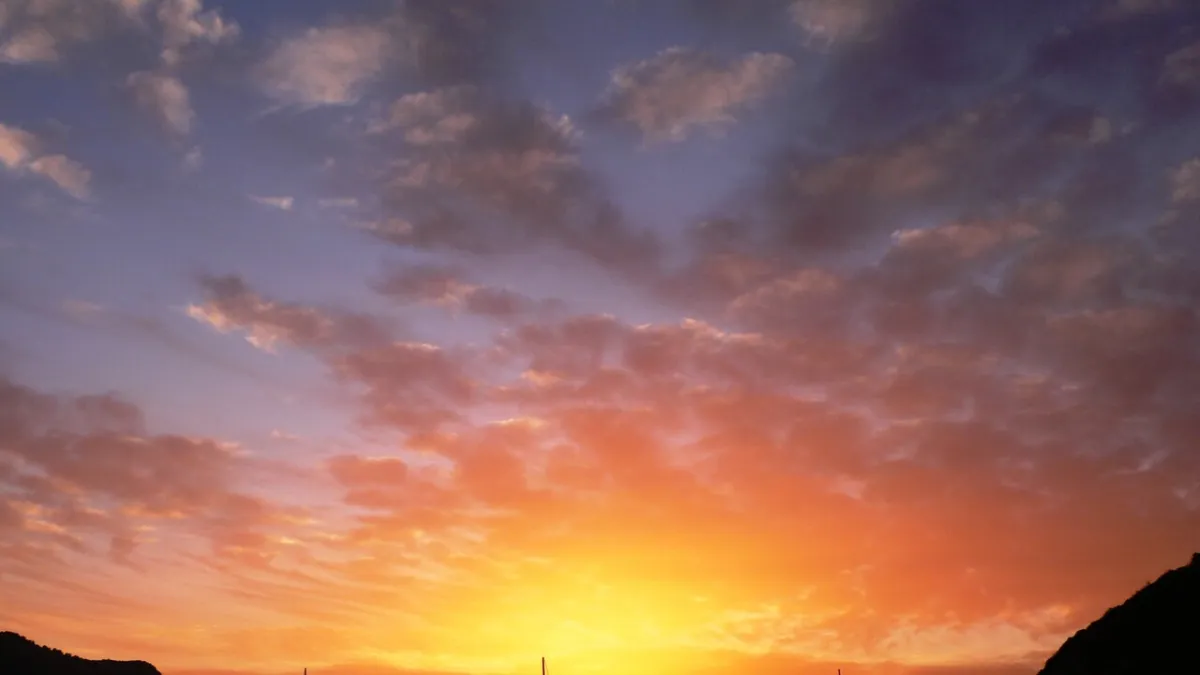
IBIZA — Summer 2026 is fast approaching, promising unforgettable experiences for nature enthusiasts and sky gazers. Five exotic routes in Europe, including Ibiza in Spain and the Aeolian Islands in Italy, are being promoted as prime destinations to witness captivating lunar eclipses and the most spectacular sunsets.
The European Tourism Board has specifically recommended these locations, anticipating a surge in interest in astrotourism. They hope to attract millions of tourists seeking unique experiences, far from the urban hustle and bustle.
The first destination, Ibiza, has long been known as a paradise for sunset lovers. Each evening, the Mediterranean sky transforms into a dazzling canvas of colors, providing a perfect backdrop for witnessing the transition of the day. In summer 2026, Ibiza is predicted to be a key gathering point for those wishing to capture its legendary sunsets.
The Aeolian Islands in Sicily, Italy, offer a different but equally captivating allure. Known for their volcanic landscapes, the Aeolian Islands will bear witness to the “Luna Rossa” or total lunar eclipse phenomenon. The dark skies, free from light pollution, above the active Stromboli volcano, will provide a dramatic and unforgettable view for observers.
Dr. Anja Weber, Chair of the European Tourism Board, stated in a virtual press conference early in 2026, “We are seeing a significant increase in demand for nature-based experiential tourism. These five routes not only offer beautiful views but also a deeper connection with the universe.”
In addition to these two iconic destinations, other routes include locations in Southern Portugal known for their dark skies, as well as several remote spots in the Balkan Mountains ideal for observing the Milky Way.
Preparation for travel to these destinations is crucial. Tourists are advised to book accommodation well in advance, given the high interest. Adequate photography equipment, such as telephoto lenses and tripods, is also recommended to capture the wonders of the night sky.
Adherence to environmental conservation guidelines is also important. Many of these locations are protected areas, so maintaining cleanliness and not disturbing local ecosystems is the responsibility of every visitor. Preserving dark skies from light pollution is also a top priority for the astrotourism community.
The economic impact of these phenomena is expected to be quite significant. An increase in tourist numbers will drive growth in the local tourism sector, ranging from accommodation and restaurants to tour providers. This provides a fresh impetus for regional economies that rely on tourism.
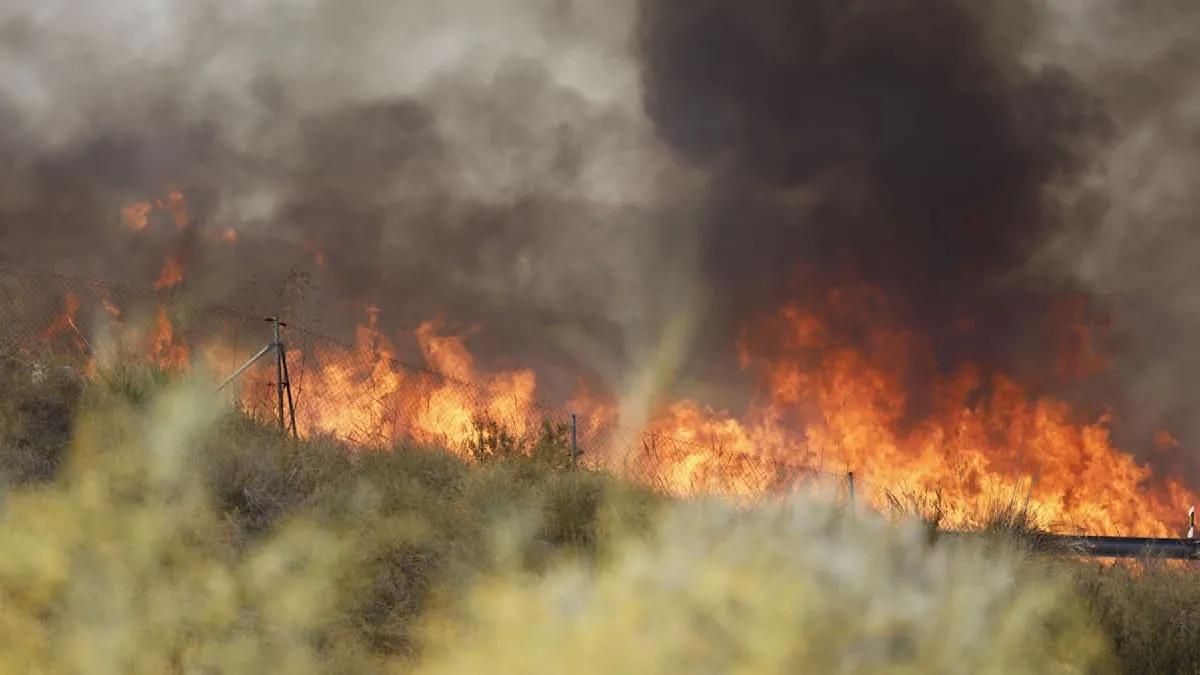
Travelers are also urged to be aware of potential extreme weather conditions. This year, several regions in Europe, including Italy, have experienced widespread warnings for extreme heat waves reaching 43 degrees Celsius, requiring extra caution in travel planning and health management.
Professor Elena Rossi, an astrophysicist from the University of Rome, stated, “The moment of witnessing an eclipse over an active volcano or a sunset on a Mediterranean beach is a transformative experience. It’s not just about seeing, but also about feeling a profound connection to the cosmos.”
These rare sky phenomena also attract the attention of researchers and documentary filmmakers. Several teams have planned expeditions to document the beauty and scientific significance of the celestial events to occur.
With increasingly adequate tourism infrastructure and global awareness of the beauty of the night sky, summer 2026 is projected to be the most memorable astronomical holiday season in recent decades.
Do not miss this rare opportunity. Plan your trip now and witness the spectacular wonders of the night sky in Europe’s chosen destinations.