 Angela Stefani
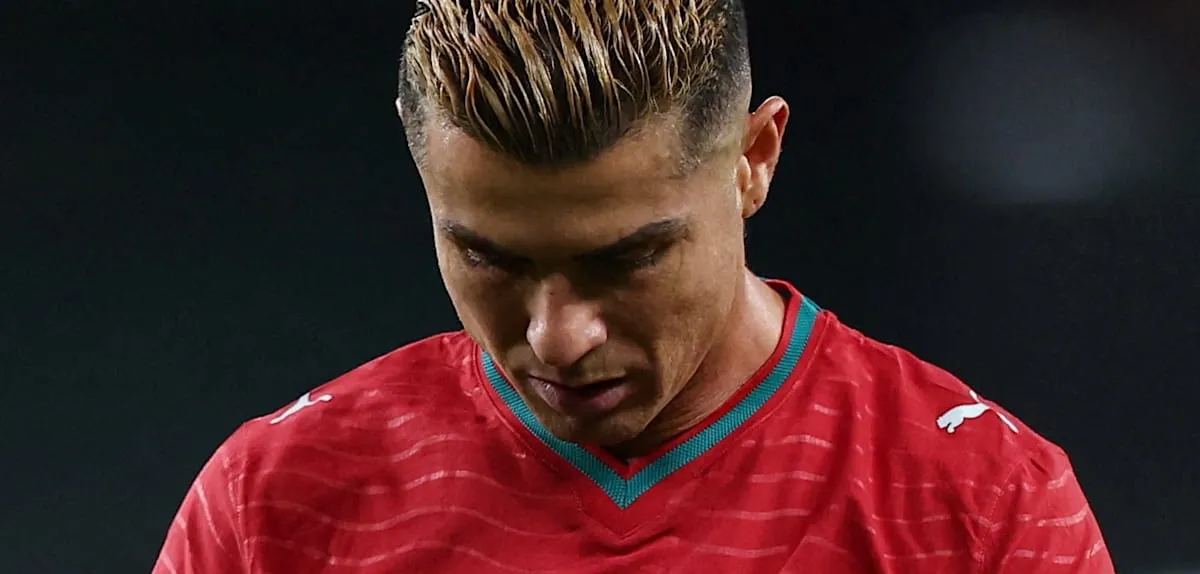
LISBON – The controversy surrounding Cristiano Ronaldo's role in the internal turmoil of the Portuguese National Team has resurfaced, igniting a fierce debate over who should be held accountable for the friction. Although the superstar is often portrayed as an egocentric player, some argue that the primary responsibility actually lies with another figure within team management, not solely with the on-field star himself. Incidents involving Ronaldo's controversial behavior within the Portugal squad, though occurring some time ago, remain a sharp focus in the global football arena in 2026.
Ronaldo, renowned for his ambition and work ethic, is frequently seen as a central figure in any team drama. His demonstrative actions, including reactions when substituted or when absent from the bench, often fuel negative speculation. Incidents such as his desertion from the national team, which have been widely discussed, indeed highlight an egoistic side of the player.
However, investigative journalism tends to delve deeper into the root causes of the problem. Would a player of Cristiano Ronaldo's caliber, with vast experience and achievements, act in such a manner without a trigger or a larger managerial oversight? This question becomes crucial in addressing the prevailing narrative.
Several prominent football pundits suggest that the issue is not merely an individual's fault, but rather a reflection of suboptimal power dynamics and communication within the Portuguese National Team. The coach, staff, and federation play significant roles in managing the expectations and personalities of star players.
Cristiano Ronaldo is a strong character, but every player requires firm and visionary leadership, stated a former European team manager who wished to remain anonymous. If a coach fails to embrace or control his players egos, then that failure belongs to the coach. This quote underscores the perspective that responsibility cannot be placed entirely on the player.
Criticism has emerged against the head coach and high-ranking officials of the Portuguese Football Federation (FPF). Sensitive substitution policies, a lack of constructive dialogue, and an inability to defuse tension in the dressing room are cited as critical factors. Strategic decisions made without considering the psychological impact on a player of Ronaldo's caliber could easily backfire.
The debated incident, which occurred after the 2022 World Cup, remains relevant as a case study. Many believe that the handling of the situation by the coaching staff at the time was immature, exacerbating a situation that could have been contained. This is not merely about one individual, but about a system that failed to accommodate its greatest asset.
Fans and media often readily assign the label instigator to the most prominent figure, in this case Ronaldo. However, this perspective overlooks the complexity of relationships between players, coaches, and the overall team interest. The reality behind the scenes of professional football is far more intricate than what appears on the pitch.
An in-depth analysis of the Portuguese National Team's organizational structure is necessary. Transparency in decision-making, internal communication strategies, and the managerial capacity of team leaders are critical points of scrutiny. Without fundamental improvements in these aspects, the potential for similar conflicts will always loom.
Ultimately, this controversial incident serves as a reminder that effective leadership in sports demands not only tactical prowess but also expertise in human management. Providing a platform for every large ego to flourish without control is akin to planting seeds of discord.
Editorial Insight: The polemic surrounding Cristiano Ronaldo within the Portuguese National Team extends beyond mere individual fault. It reflects a fundamental challenge in leadership and management of a squad comprising global stars. The Portuguese Football Federation should glean valuable lessons to ensure a harmonious and productive team environment in the future, for the team's reputation and the future of younger talents.