 Dodi Irawan
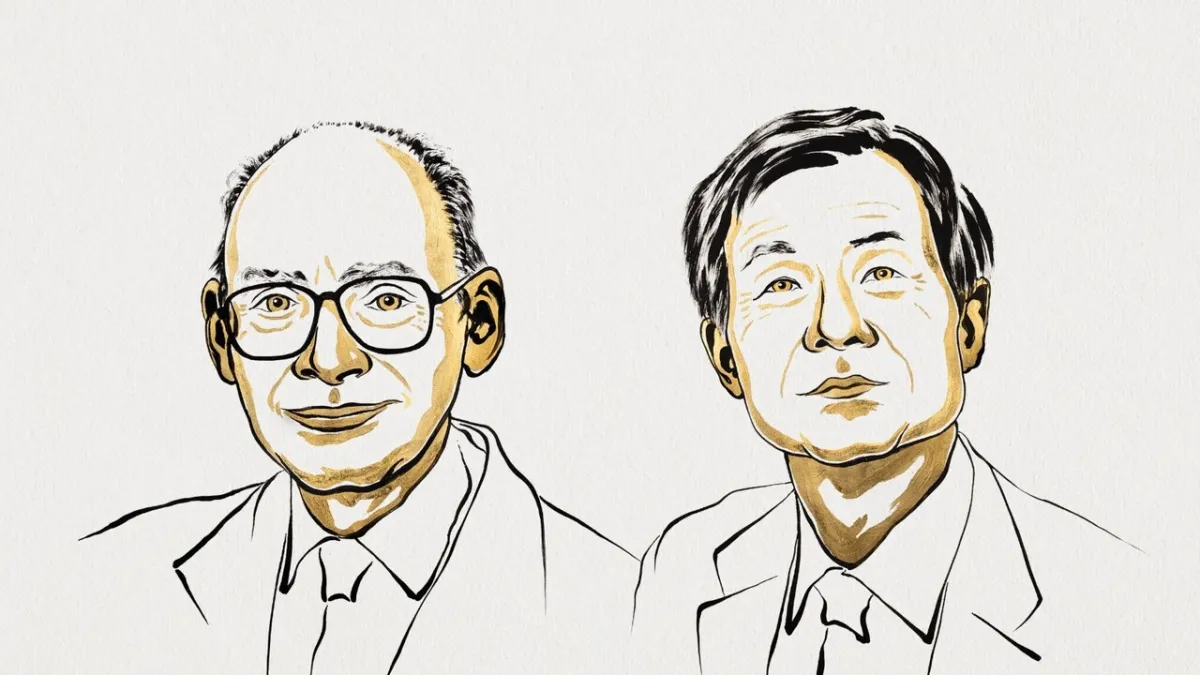
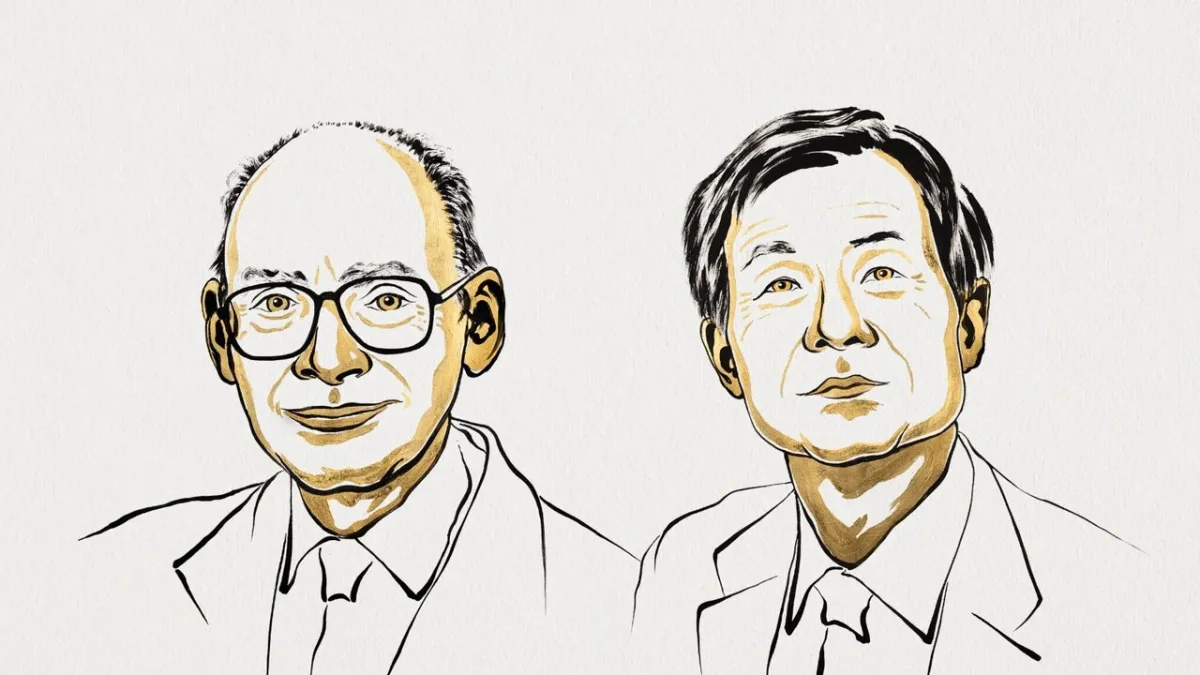
STOCKHOLM – The Royal Swedish Academy of Sciences officially announced Professor Henri B. Kagan of France and Professor Akira Soai of Japan as the recipients of the 2026 Nobel Prize in Chemistry. This prestigious award recognizes their revolutionary discovery of the non-linear effect of autocatalysis in organic synthesis, a fundamental contribution that has been credited with providing a solution to a chemical mystery over a century old.
This announcement was met with enthusiasm by the global scientific community, given the discovery's significance in understanding and controlling complex chemical processes. Autocatalysis, a phenomenon where the product of a reaction acts as a catalyst for that same reaction, has been the subject of intensive research. Kagan and Soai successfully uncovered the non-linear aspect of this process, opening new dimensions in the synthesis of chemical compounds, particularly those related to chiral or mirror molecules.
The discovery is not merely an academic achievement but also has broad implications for the pharmaceutical, materials, and agricultural industries. Chiral molecules, which have structures like right and left hands (non-superimposable mirror images), are critically important in drug development. Often, only one chiral form possesses the desired therapeutic effect, while the other can be ineffective or even harmful.
Before Kagan and Soai's breakthrough, the high-selectivity synthesis of chiral molecules posed a significant challenge. The non-linear autocatalysis effect they demonstrated allows for much greater precision in producing a single enantiomer of a compound, a crucial methodological leap for modern chemistry. The Nobel committee highlighted, 'They have provided a solution to a chemical mystery over a century old,' in recognition of the depth and impact of their research.
Professor Henri B. Kagan, a prominent organic chemist, is known for his pioneering work in asymmetric synthesis, including the development of chiral catalysts. His contributions have laid the groundwork for many widely used chiral reactions today. Meanwhile, Professor Akira Soai is revered for his discovery of chiral autocatalytic reactions that yield very high enantiomeric ratios from non-chiral starting materials.
The collaboration and independent contributions of these two scientists have formed crucial pillars in the field of asymmetric synthesis. Their discoveries fundamentally changed how chemists approach the production of complex molecules, enabling efficiencies and selectivities previously difficult to achieve. This fosters continuous innovation in the search for new molecules with specific functions.
Specifically, the non-linear autocatalysis effect identified by Kagan and Soai explains how a slight initial asymmetry in a reaction system can be exponentially amplified. This is a profound concept, not only for synthetic chemistry but also for our understanding of the origins of chirality in the universe, including in biology.
The importance of this breakthrough is further evident given that many key biological processes, such as protein and DNA function, are highly dependent on molecular chirality. With improved capabilities to control chirality in synthesis, researchers can now design and create molecules with greater precision for medical applications and advanced materials.
This award also underscores the ongoing relevance of fundamental research in chemistry. Kagan and Soai's achievements prove that with persistence and scientific insight, fundamental mysteries can be solved, paving the way for technological advancements and improved quality of life. This discovery aligns with other important breakthroughs in chemistry. Readers can explore other articles such as 21st Century Chemical Mystery Unraveled: Kagan-Soai Win 2026 Autocatalysis Nobel and World Chemistry Breakthrough! French-Japanese Scientists Win Prestigious 2026 Nobel for broader context.
Editorial Insight: The 2026 Nobel Prize in Chemistry for Kagan and Soai marks a recognition of the transformative impact of non-linear autocatalysis. This discovery not only solved an academic puzzle but also fundamentally reshaped the paradigm of organic synthesis, particularly in the production of chiral molecules. Its impact is expected to be significant in accelerating the development of safer and more effective drugs, as well as new materials with tailored properties. Moving forward, continued research in this area holds the potential to unlock deeper understanding of the origins of life and molecular evolution.