 Demian Sahputra
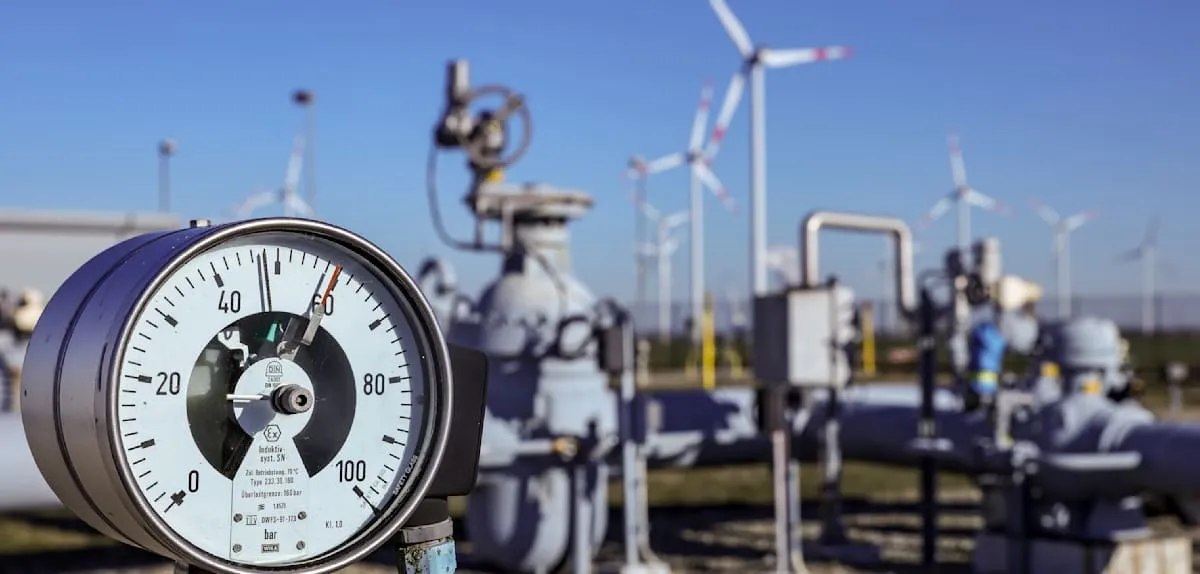
BERLIN – Germany's gas storage facilities are currently only about 50 percent full. This situation has triggered a serious warning from the Federal Consumer Center Federation (Bundesverband der Verbraucherzentralen), which predicts a surge in energy prices for households, prompting an appeal for consumers to remain vigilant.
This condition is causing widespread concern among German society and industry. Historically, low gas reserves have often corresponded directly with supply instability and price fluctuations in the global energy market.
A representative of the Federal Consumer Center Federation explicitly stated, For private households, this can mean higher energy prices. This statement underscores the potential direct impact on the budgets of millions of families across Germany.
The organization urges gas customers to act cautiously. The advice given includes reviewing energy contracts, considering energy-saving options, and seeking the latest information on market developments.
Analysis indicates that this suboptimal gas storage capacity could be an early indicator of greater economic pressure. Germany is highly dependent on gas for heating and electricity generation, especially as a potentially colder winter approaches.
In 2026, the global economy remains vulnerable to various dynamics, including geopolitical tensions in Eastern Europe and the Middle East, as well as climate change affecting resource availability and energy demand. This low gas reserve situation adds to the long list of challenges facing industrialized nations.
The German government, through its relevant ministries, is expected to quickly formulate a comprehensive strategy to address this threat. Efforts to diversify energy sources, increase efficiency, and invest in renewable energy are key to long-term risk mitigation.
Some energy experts also highlight the importance of public education on energy conservation. With active public participation in reducing consumption, demand pressure can be slightly eased, at least in the short term, helping to maintain price stability.
Similar phenomena related to global economic shocks have occurred, as reported in the article Global Economic Shock: UK Inflation Reaches 2.9% Due to Iran War, which shows how geopolitical events can trigger widespread price crises across various sectors.
Thus, this situation is not merely a technical supply problem but a macroeconomic issue with the potential to trigger an inflationary spiral in the energy sector, which in turn can affect people's purchasing power.
Consumers are urged not to delay preventive actions. Understanding cost structures, seeking alternative providers that offer competitive prices, and monitoring government policies can be wise initial steps to cope with potential cost increases.
Editorial Insight: Germany's gas reserves being only half full indicates a serious vulnerability to energy price stability. Without swift policy intervention and effective supply diversification strategies, German households could face a winter with soaring heating costs, which could slow economic recovery and trigger social unrest. The government needs to act proactively and transparently in managing this potential energy crisis.