 Edward DP Situmorang
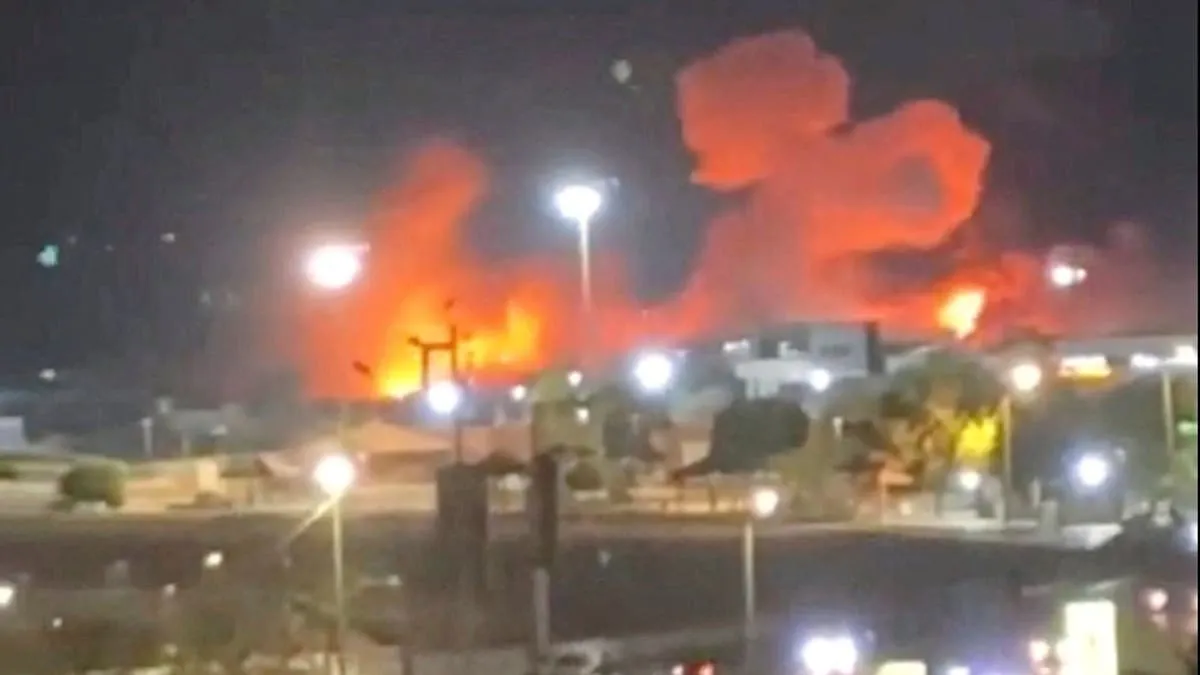
WASHINGTON — The United States has once again struck Iran with a series of military attacks in early 2026, casting deep doubt on the prospects of authentic peace negotiations in the volatile Middle East. This aggressive action, according to international negotiation expert Matthias Schranner, indicates that existing ceasefires have served more as tactical tools rather than a foundation for sustainable conflict resolution.
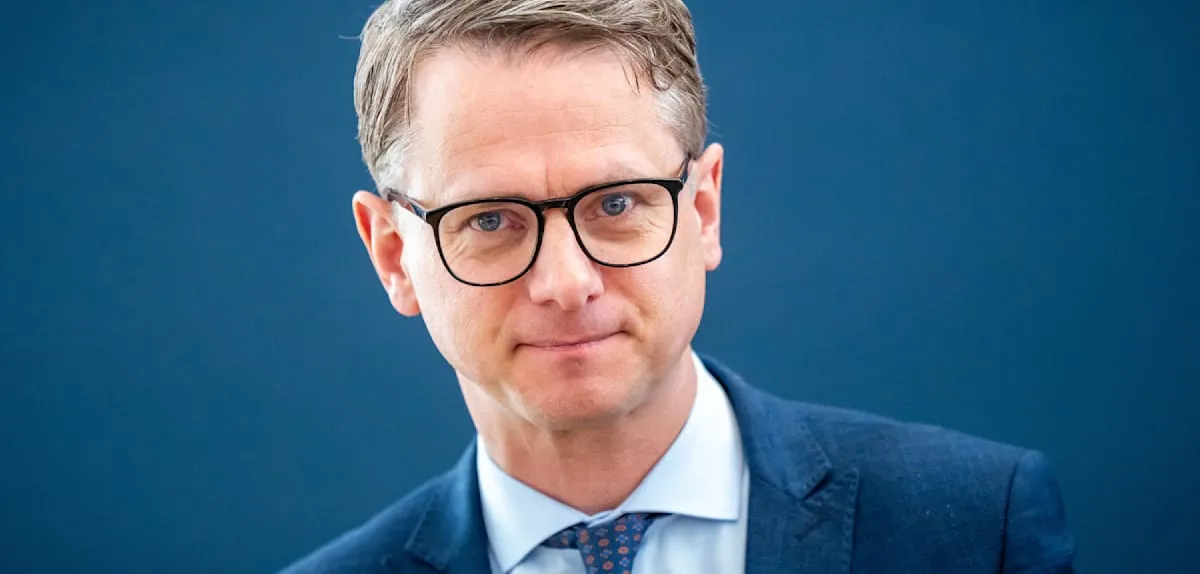
Schranner, an expert with extensive experience in global conflict mediation, asserted that the unfolding situation "looks like no genuine peace talks are being planned." He analyzed that the pattern of ceasefires being "implemented and then suspended" is a form of strategic manipulation for specific parties' gain, not a sincere effort to de-escalate tensions.
Schranner's analysis emerges amidst a new wave of attacks launched by Washington targeting various sites in Iran. These attacks are not isolated incidents. Over recent months in late 2025 and early 2026, military escalation between the two nations has repeatedly occurred, exacerbating the regional crisis. Incidents such as those previously reported in the article "America Bombs Iran, Mullah Regime Retaliates by Attacking Gulf Bases!" demonstrate a continuous pattern of response and retaliation.
The targets of the US attacks reportedly include critical infrastructure and military facilities in Iran, including aerial strikes that previously targeted Iran's railway network. This escalation in a Middle Eastern flashpoint, as highlighted in "US Air Strikes Hit Iranian Rail Network: Escalation in Middle East Hotspot," underscores the intensity of the conflict.
Considering the frequency and targets of the attacks, many international observers conclude that the primary objective is not merely a defensive response, but a systematic attempt to pressure or limit Iran's capabilities in the region. This approach inherently reduces the space for genuine diplomacy, transforming negotiations into mere extensions of warfare through other means.
These military actions directly undermine the international community's hopes for constructive diplomatic dialogue. Various mediation efforts initiated by the UN and neutral countries appear to be eroded by a relentless series of aggressions, creating a vicious cycle of violence and distrust.
The implications of this escalating conflict are not confined to the Middle East. Global markets, particularly oil prices, are prone to significant fluctuations. "Threat of Iran Escalation: Global Oil Prices Set to Skyrocket Permanently?" is one of the reports that has warned the world about the potential for a permanent rise in energy prices if these tensions do not subside.
TEHRAN — The Iranian government, through its spokesperson, vehemently condemned the latest United States attacks as provocative acts violating national sovereignty. Iran vowed to take decisive responsive measures to protect its national interests and its people from foreign aggression.
The rhetoric from both sides has intensified. Public statements are frequently colored with confrontational language, pushing away the prospects of negotiations based on mutual trust. For instance, strong comments from US officials who once labeled Iran as a "crazy" nation during previous attacks, as reported in "Trump Calls Iran 'Crazy' Amid US Assault: 90 Targets Hit," illustrate the low level of diplomacy at play.
This situation places the international community at a crossroads. Many nations urge immediate de-escalation and a return to the negotiating table, yet the reality on the ground suggests otherwise. Other regional and global powers appear divided in their approach to this increasingly complex conflict, with some openly supporting one side, while others call for neutrality.
Against the backdrop of surging tensions and expert statements such as Matthias Schranner's, the future of peace in the Middle East seems increasingly bleak. Without a fundamental shift in the approach of both parties, this cycle of attacks and retaliation is highly likely to persist, sacrificing the stability and well-being of millions.
It is crucial for world leaders to pressure all parties to prioritize honest diplomatic solutions and cease the use of military tactics that only prolong suffering. Only with good faith and a genuine commitment to dialogue can the prospect of true peace materialize amidst the geopolitical turmoil of 2026.