 Dodi Irawan
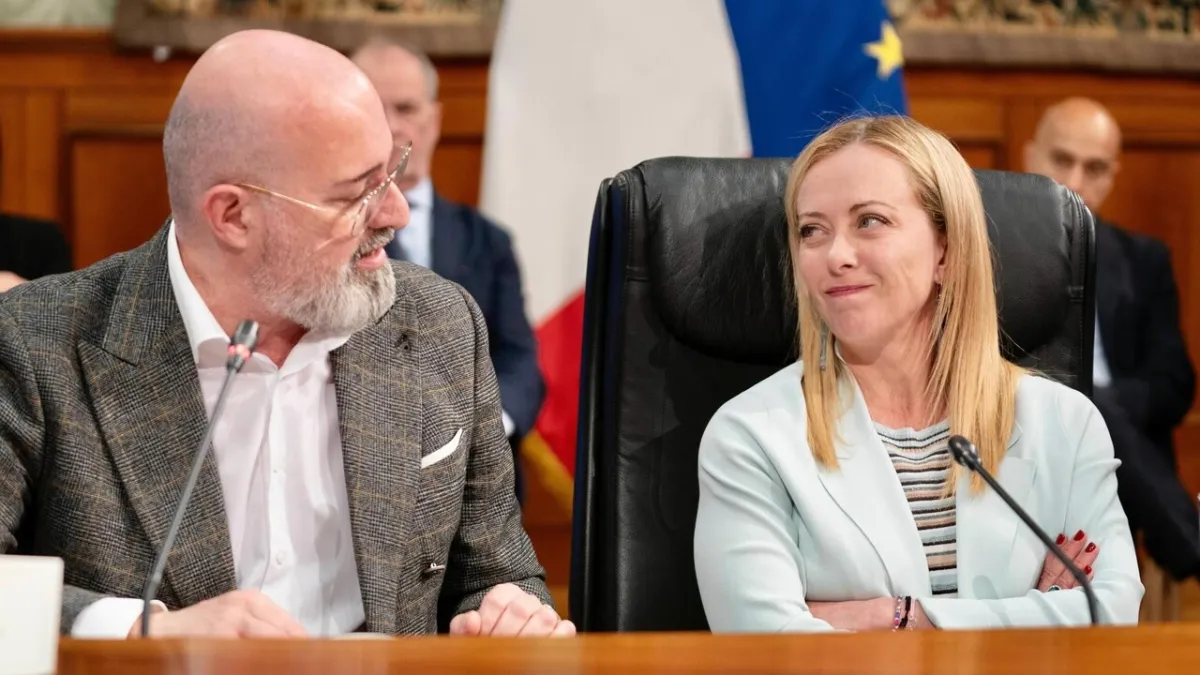
ROME – Italian Education Minister, Giuseppe Valditara, has confirmed that the government will soon issue a decree-law to impose a cap on the number of foreign students in each school class. This policy will be based on purely linguistic criteria, and explicitly applies to students from European Union countries who have not yet mastered the Italian language. Valditara also asserted that there is no conflict with the Presidential Palace, Quirinale, stating that President Sergio Mattarella's words have been politicized.
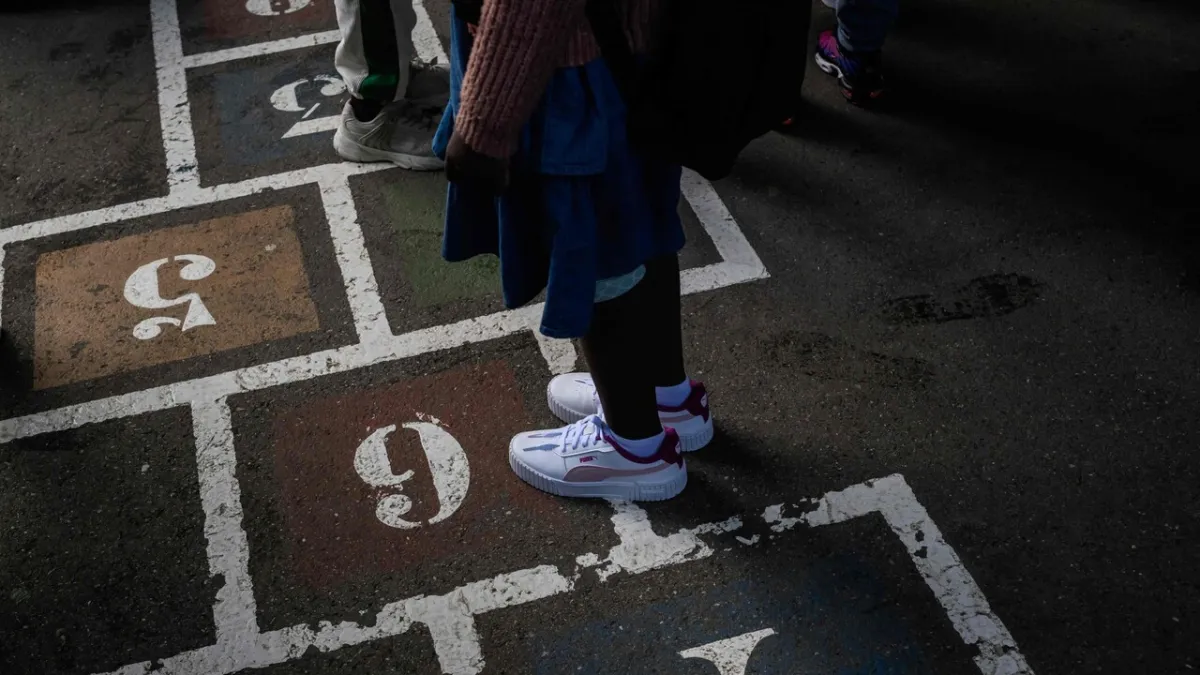
This measure aims to ensure effective integration and optimal teaching quality for all students. Valditara explained that setting limits is not intended as an act of segregation, but rather as a strategic effort to create a conducive learning environment where every child can understand and fully participate in the educational process.
Linguistic criteria form the core of this new policy. Proficiency in Italian is considered fundamental for students to adequately follow lessons, communicate with classmates and teachers, and succeed in the academic environment. Without adequate language skills, the teaching and learning process can be hindered, both for foreign students and native Italian students.
Notably, this decree does not only target students from outside the European Union. Students from EU member countries will also be subject to the same limits if they are not fluent in Italian. This emphasis underscores the government's focus on language ability as a primary prerequisite, rather than solely on the student's nationality.
Valditara explicitly rejected interpretations that this policy contradicts the spirit of inclusivity. This is not about creating ghettos or separating students. On the contrary, it is a proactive step to ensure that every student, from any background, has the best opportunity to succeed and integrate fully, Valditara said, responding to potential criticism.
This issue had sparked speculation about a disagreement with President Sergio Mattarella, known as a proponent of inclusive education. However, Valditara quickly clarified the situation. There is no conflict with the Quirinale. Mattarellas words are often misused and politicized for specific agendas, he stressed, referring to the presidents statements emphasizing the importance of schools as a unifying force for the nation.
Previously, President Mattarella had indeed called for Italian education to be united, rejecting ghetto segregation. Valditara argued that this decree aligns with that vision, by ensuring every student has a strong language foundation before joining a diverse classroom environment, thereby achieving better integration.
The implementation of the policy through a decreto legge (decree-law) indicates the urgency and commitment of the government to quickly enforce this rule. A decree-law allows the government to implement policies rapidly without going through a lengthy legislative process, although it still requires parliamentary approval within a certain timeframe.
Italys move may attract attention from other European countries facing similar challenges in immigrant integration and education. The challenge of an education emergency due to demographic changes is not exclusive to one nation but is a cross-continental issue requiring innovative solutions.
This policy is expected to overcome communication barriers often experienced by foreign students, helping them adapt more quickly, and ultimately, improving their academic performance. At the same time, teachers are also expected to teach more effectively without being overly burdened by overly wide disparities in language proficiency within a single class.
Economic and social influences in Italy also form the background of this policy. With Italy's worsening deficit and demographic challenges, the government is striving to ensure that every investment in education yields maximum results, including in aspects of social integration.
Editorial Insight:
Minister Valditara's policy reflects a shift in focus from merely accepting foreign students to a more structured and competence-based integration. While potentially sparking fierce debate on rights and inclusion, the Italian government appears to prioritize educational quality and student readiness as the foundation for true integration. The implementation of this decree will be a critical barometer in balancing multicultural openness with the demands of national educational standards.