 Gabriella
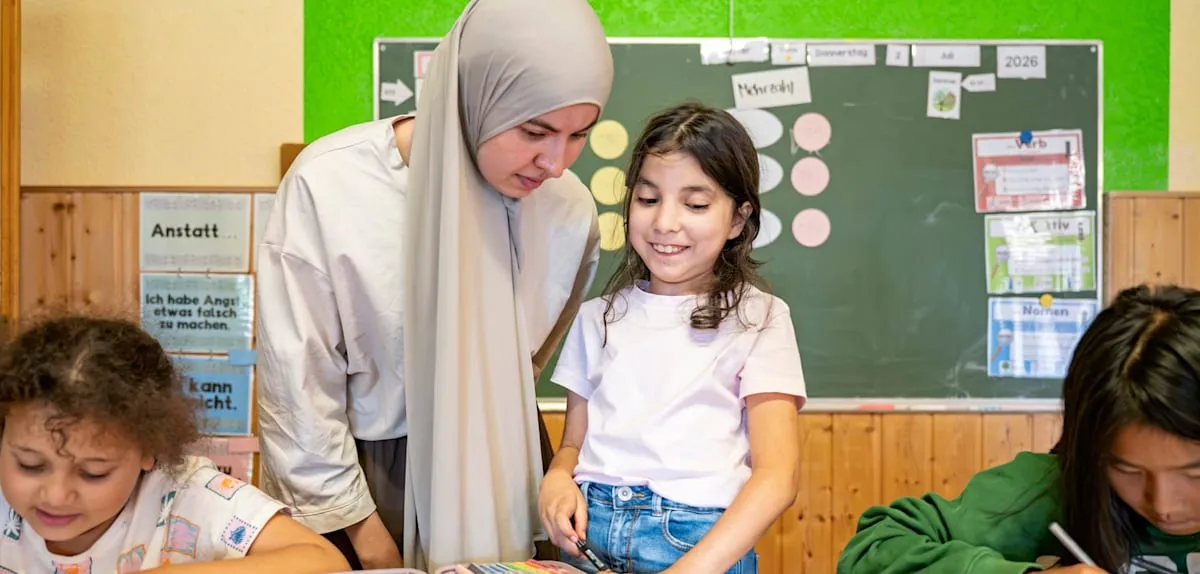
Germany — German language deficits among young children, especially those from immigrant backgrounds, have long been a serious concern within the German education system. However, an innovative summer camp program organized in 2026 offers a ray of hope, even revealing a fascinating phenomenon: many third-grade immigrant children now demonstrate better German language proficiency than their parents. This initiative not only strives to improve language skills but also targets deeper social integration, addressing one of the crucial barriers to educational success.
This language proficiency issue is at the core of integration challenges in German schools. Children entering primary education with limited German skills often struggle to follow lessons, interact with peers, and ultimately fall behind academically. The German Ministry of Education in 2026 has repeatedly emphasized the importance of early intervention to address this issue, seeing it as a foundation for long-term success.
This special summer camp is meticulously designed to help third-grade students from foreign backgrounds. Its focus is not just on grammar and vocabulary but also on creating an immersive and supportive environment where children feel comfortable experimenting with the language without fear of making mistakes. Interactive and play-based learning methods have proven highly effective in motivating them.
A program coordinator in Berlin stated, "We often hear stories from children saying, 'I speak German quite well, my parents are still learning.' This shows how quickly they absorb the language compared to previous generations, while also highlighting the existing gap at home." This statement reflects the unique dynamics now developing in many immigrant families.
Beyond linguistic skills, the camp also facilitates social integration. Through various group activities, collaborative projects, and cultural visits, children learn German societal values, build cross-cultural friendships, and develop a sense of belonging. This aspect is as crucial as language proficiency for their future success.
The language proficiency gap between children and parents often indicates the challenges faced by adult immigrants. Many working parents struggle to find the time and resources to attend intensive language courses, caught in a dilemma between work demands and family needs. This situation can be exacerbated by a lack of access to information or support. This phenomenon is reminiscent of the various dilemmas faced by working parents in general, but with the added dimension of language and cultural barriers.
Educators report that children attending the camp show significant increases in self-confidence. They become more vocal in class, more active in discussions, and more enthusiastic in extracurricular activities. These positive changes affect not only their academic performance but also their emotional and social well-being.
Initiatives like this summer camp are considered crucial to prevent language deficits from becoming permanent. If left unaddressed, linguistic gaps can lead to marginalization, limiting access to higher education and better job opportunities later in life. Therefore, investing in such programs is an investment in the future of German society as a whole.
Germany's federal government, along with state authorities, is actively seeking ways to expand the reach of language and integration support programs. They recognize that this successful summer camp model can be replicated and adapted to reach more children and families across the country, especially in areas with high concentrations of immigrants.
Nevertheless, challenges remain. The availability of qualified teachers, adequate funding, and active participation from immigrant communities are crucial factors for long-term success. Collaborative efforts between the government, educational institutions, and civil society organizations continue to be intensified to ensure every child has an equal opportunity to succeed in their new environment. The success of this program in 2026 is expected to serve as a blueprint for more comprehensive language integration policies in the future.