 Robert Andrison
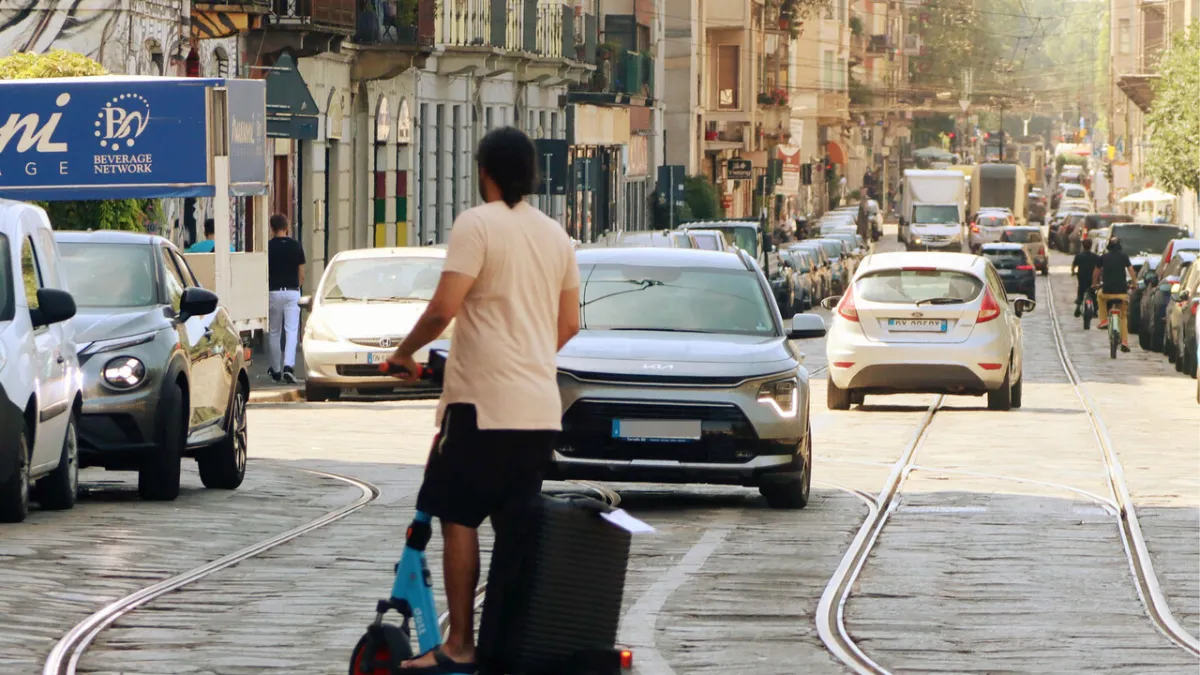
ROME — Starting in early 2026, the Italian government has officially mandated compulsory insurance for all electric scooter users on public roads. This policy represents a significant step towards enhancing road safety and enforcing accountability among users of this increasingly popular micro-mobility transport mode. The estimated annual cost for the insurance policy ranges from 35 to 55 euros, an investment expected to mitigate financial risks stemming from incidents.
This new regulation, effective January 2026, is part of a broader legal framework aimed at governing the use of light personal vehicles in urban areas. Its purpose is clear: to protect third parties from potential material damage or physical injury that may result from the negligence of electric scooter riders, much like other motor vehicles.
This move follows a drastic increase in electric scooter usage across major Italian cities, often accompanied by traffic incidents and debates regarding adequate regulation. With compulsory insurance, every electric scooter operating in public spaces must be registered and covered, providing a sense of security for all road users.
However, the implementation of this policy is not without its challenges and criticisms. The consumer association Assoutenti has raised serious concerns regarding its execution. "The risk of fines up to 400 euros threatens non-compliant users, but the main problem remains the lack of controls on the ground," stated an Assoutenti spokesperson. This statement highlights potential oversight gaps that could reduce the regulation's effectiveness.
Assoutenti added that without consistent and effective law enforcement, this compulsory insurance policy will merely become an additional burden for some citizens without significantly improving traffic discipline. They urge authorities not only to focus on legislation but also on robust oversight mechanisms.
The Italian government, through the Ministry of Infrastructure and Transport, stated that they would continue to monitor the implementation of this regulation. Extensive public outreach programs will also be intensified throughout late 2025 and early 2026 to ensure every rider understands their obligations.
This compulsory insurance policy has also sparked discussions about the future of micro-mobility in Italy. Some view it as a progressive step to integrate electric scooters into the transportation ecosystem more responsibly. Others, however, worry that the additional cost could hinder the adoption of electric scooters as an economical transport alternative.
Based on recent data, electric scooter usage in Italy has grown by over 300% since 2020. This phenomenon is driven by the push towards green mobility and the reduction of urban carbon emissions. Therefore, wise and balanced regulation is key to maintaining this positive momentum.
Further analysis indicates that the insurance cost of 35-55 euros is still relatively affordable compared to potential fines reaching hundreds of euros. This underscores the importance of compliance to avoid much larger financial consequences.
The government is also expected to consider incentive programs or subsidies for certain societal groups so that the insurance burden does not become overly onerous. This is crucial to ensure that accessibility to this environmentally friendly mode of transport remains available to all.
The debate surrounding control and enforcement is indeed crucial. Just as with other social phenomena, such as Nonna Maxxing 2026 highlighting lifestyle trends, transport regulations require cultural adaptation and behavioral adjustments. Without these, potential problems will persist, even with legal frameworks in place.
With the enactment of this rule, Italy joins several other European countries that have already implemented similar policies for electric scooters. The hope is that this step will not only create a safer riding environment but also foster a culture of responsibility among electric scooter users.
Ultimately, the success of this compulsory insurance policy will heavily depend on the synergy between clear regulations, effective socialization, and strict law enforcement. Only then can electric scooters continue to contribute to urban mobility solutions without sacrificing safety and order.