 Dodi Irawan
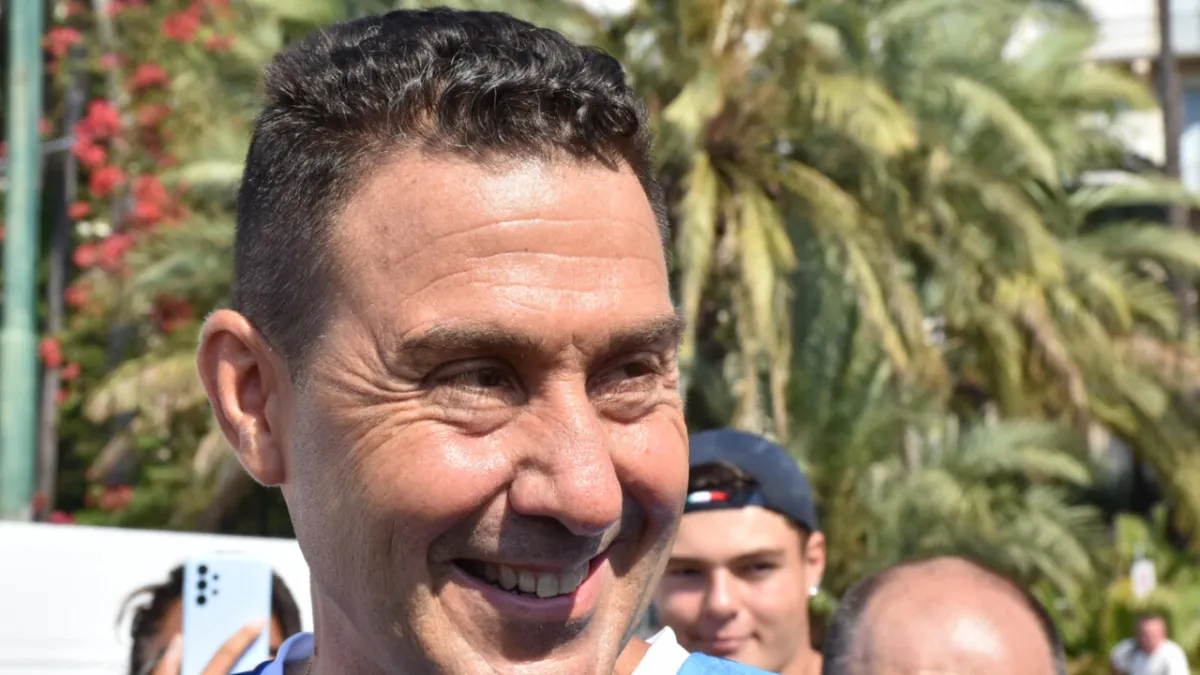
GENOA — Political tension escalated in the port city of Genoa today, Friday, May 10, 2026, following a political initiative launched by General Roberto Vannacci. The former high-ranking military officer, now active in the Italian political arena, faced a strong wave of rejection from a coalition of Antifa activists and port labor unions (camalli). Two major protest sites converged in the heart of the city, marking a significant escalation in the ideological polarization gripping the nation.
The initiative, promoted by the Futuro Nazionale group, a political platform affiliated with General Vannacci, served as the primary catalyst for these demonstrations. Opponents view Vannacci's ideas as potentially undermining democratic values and tolerance, consistent with past criticisms of his perceived far-right conservative views.
Genoa's port workers' union, known as camalli, traditionally represents a progressive political force and is highly vocal on social issues. Their involvement in this protest indicates that opposition to Vannacci extends beyond purely ideological lines, touching upon economic dimensions and workers' rights. "We will not allow rhetoric that divides and harms workers to take root in our city," stated an unnamed union representative amidst the gathered crowd.
On the other hand, Antifa groups, displaying anti-fascist flags and banners, accused Vannacci of attempting to divide society with what they describe as reactionary agendas. They urged the government and security forces to take firm action against any attempts to spread ideologies contrary to the principles of the Italian constitution.
General Vannacci himself, now a controversial yet influential figure on Italy's political stage, continues his trajectory with strong backing from a conservative base. His books and statements frequently spark public debate, making him a magnet for both supporters and detractors. This phenomenon has been extensively analyzed in the article "Unveiling the Vannacci Phenomenon 2026: Conservative Strategy Shakes Italian Politics", which highlights his political strategies.
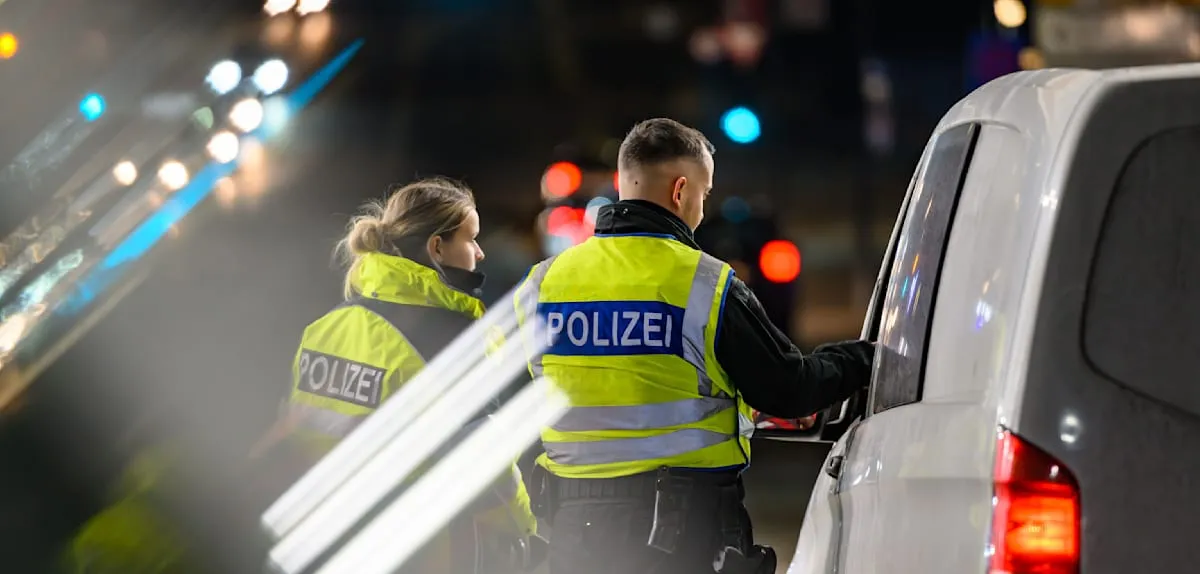
Security forces, including the Carabinieri and Polizia di Stato, deployed in large numbers to secure the two demonstration sites. They endeavored to maintain order and prevent potential clashes between pro and anti-Vannacci groups, separated by several city blocks. The situation remained relatively under control, though palpable tension filled the air.
The regional leader of Futuro Nazionale for Liguria, Pietro Rossi, asserted that their initiative is part of a constructive effort to address national issues. "We came to Genoa to speak to the public about Italy's future, not to seek confrontation. Freedom of expression is fundamental for all citizens," Rossi stated during a brief press conference.
These events in Genoa reflect the increasingly intense political dynamics leading up to significant national agendas in Italy in 2026. With regional elections and pressing economic issues on the horizon, every move by political figures like General Vannacci will continue to be closely scrutinized by various segments of society.
The clash of narratives between the conservative bloc represented by Vannacci and the progressive-labor groups in Genoa illustrates a fragment of the larger debate unfolding across Europe concerning identity, immigration, and future direction.
The Genoa protest represents one of the latest episodes in a series of demonstrations accompanying General Vannacci's political journey since his prominent emergence on the public stage. This underscores that, for better or worse, this figure has become a pivotal axis in contemporary Italian political discourse.