 Dodi Irawan
DOHA — Following a night of gripping drama in the quarterfinals, the 2026 World Cup semifinal schedule has been officially confirmed, promising an epic spectacle for billions of global football fans. However, amid the euphoria, one crucial match is set to be accessible only via paid television channels, sparking debate over exclusive broadcasting rights for this major tournament.
This confirmation comes after a series of thrilling quarterfinal matches, showcasing the capabilities of top-tier teams and the surprising runs of dark horses. Fans are now eagerly awaiting two decisive duels that will determine who will advance to the final of this most prestigious tournament.
The finalization of the broadcast schedule has become a key focus after all qualifying teams were identified. The two semifinal matches, slated for next week, will be broadcast according to plan by various television stations, ensuring broad coverage for the majority of the public.
The first match will pit two continental giants with a long history of rivalry against each other. This duel is predicted to be a major draw for viewers worldwide, considering the quality of players and the tactics that will be employed. Public television networks are reportedly preparing comprehensive coverage for this game.
Meanwhile, the second semifinal features a team that surprisingly managed to reach this stage, challenging one of the perennial title contenders. This match offers a David versus Goliath narrative, with the potential to create a historic moment for the football world.
However, the most intriguing piece of information is that one match will not be freely broadcast. This means fans will need to subscribe to specific television channels or paid streaming platforms to watch the match live. This situation mirrors a growing trend in major tournaments over recent years.
World Cup organizers and FIFA are known to have forged strategic partnerships with several paid television providers to maximize revenue from broadcasting rights. This decision often sparks mixed reactions among the public, especially those who advocate for universal access.
This decision also underscores the intensifying competition among media service providers to secure exclusive rights to major sporting events. With billions of eyes fixed on the 2026 World Cup, the commercial value of each match is indeed exceptionally high.
For many viewers, the experience of watching the World Cup is an inseparable part of sports culture. Therefore, the restricted access to one semifinal match could become a hot topic in various football fan discussion forums, both online and offline.
Media analysts predict that despite the restrictions, viewership ratings for both semifinal matches will still reach phenomenal numbers. The enthusiasm for this quadrennial tournament is too immense to be entirely overshadowed by broadcasting rights issues.
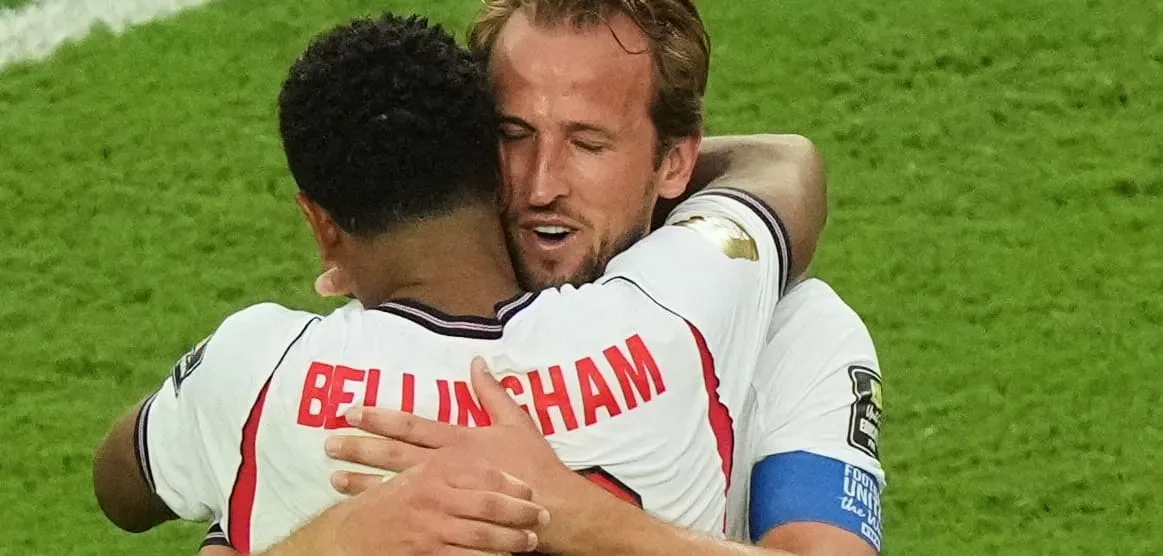
Considering the increasingly heated competition, especially after teams like Argentina advanced to the semifinals after eliminating Switzerland in a dramatic match and then challenging England, every second of the game becomes invaluable. You can read more about that drama in our article: Argentina Gemparkan Piala Dunia 2026: Singkirkan Swiss, Tantang Inggris!
Dramatic matches in the previous stages, including 2026 World Cup Extra Time Drama: Argentina Qualifies, Challenges England!, have already set the stage for the final. Every team competing in the semifinals has overcome significant obstacles, making them worthy of their current position.
Technical broadcasting preparations are also a major concern. Television networks will deploy advanced technology to ensure the best picture and sound quality, including the use of various camera angles and in-depth match analysis from experts.
This broadcasting exclusivity also has the potential to drive new subscriptions for paid service providers holding the rights. This is a common business strategy in the sports media industry, though often a source of public complaint.
Ultimately, despite the slight hurdle of an exclusive match, the spirit of the 2026 World Cup is certainly not going to wane. Millions of eyes will remain glued to screens, eagerly anticipating who will be crowned the best in the world.