 Stefani Rindus
NABLUS — Tensions in the Palestinian West Bank reached a critical point this morning, March 15, 2026, when Israeli military forces launched a sudden raid into a city near Nablus. Initial reports indicate home invasions and increased military activity, sparking new fears among civilians.
The military operation unfolded rapidly, with army units blockading access to several areas. Local residents reported that homes were forcibly searched, causing panic and property damage. This incident adds to a long list of confrontations in the already vulnerable region.
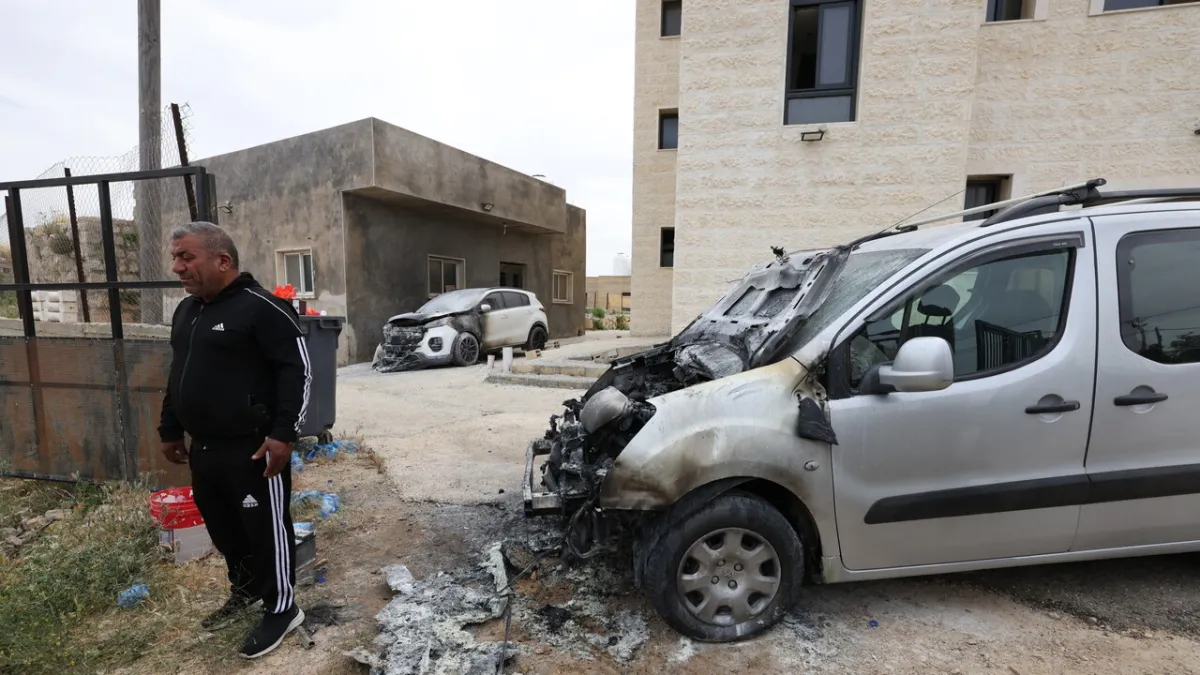
Shortly after the military raid, Israeli settlers launched a separate attack in the village of Abu Njeim. They opened fire on passing Palestinian vehicles, creating a highly dangerous and tense situation for anyone on the road.
The settler attack is presumed to be a response to or an escalation of previous incidents. These actions directly threaten the safety and security of Palestinian residents, further exacerbating the existing atmosphere of violence across the West Bank.
An Israeli Military Spokesperson has yet to issue an official statement regarding the details of this operation. However, Israeli security sources often claim that such operations are part of efforts to suppress \"terrorist activity\" in the area.
Amnesty International and several other human rights organizations have repeatedly called for transparent investigations into similar incidents. They highlight a pattern of human rights violations and violence that often goes unaddressed by the relevant authorities.
The situation in the West Bank continues to be a global concern. The protracted conflict between Israel and Palestine, exacerbated by the expansion of illegal settlements, remains an unresolved root cause. Each act of violence adds to the suffering of the community.
The European Union, through its representative in Ramallah, urged all parties to exercise restraint. A diplomatic statement emphasized the urgency of de-escalation and the need to respect international law to achieve lasting peace in the region.
This event also reflects broader regional dynamics where instability frequently arises. An example is the escalation in the Red Sea, as reported in the news \"Saudi Coalition Strikes Yemen: Firm Response to Houthi Maritime Terrorism Escalates\" which demonstrates that armed conflict remains a threat in the Middle East.
Political analyst from Birzeit University, Dr. Omar Fahmi, believes that the incidents in Nablus and Abu Njeim are a manifestation of the ongoing failure of the peace process. \"Without decisive international intervention, this cycle of violence will continue unabated,\" Dr. Fahmi stated in a phone interview.
The Palestinian government under Prime Minister Mohammad Mustafa in 2026 urged the international community to exert real pressure on Israel. They called for the protection of Palestinian civilians and an immediate halt to provocative actions that jeopardize regional stability.
The future of the West Bank remains shrouded in a cloud of uncertainty. Hopes for a just and lasting peace seem to fade further each time acts of violence recur, making this region one of the world's most volatile conflict zones.