 Demian Sahputra
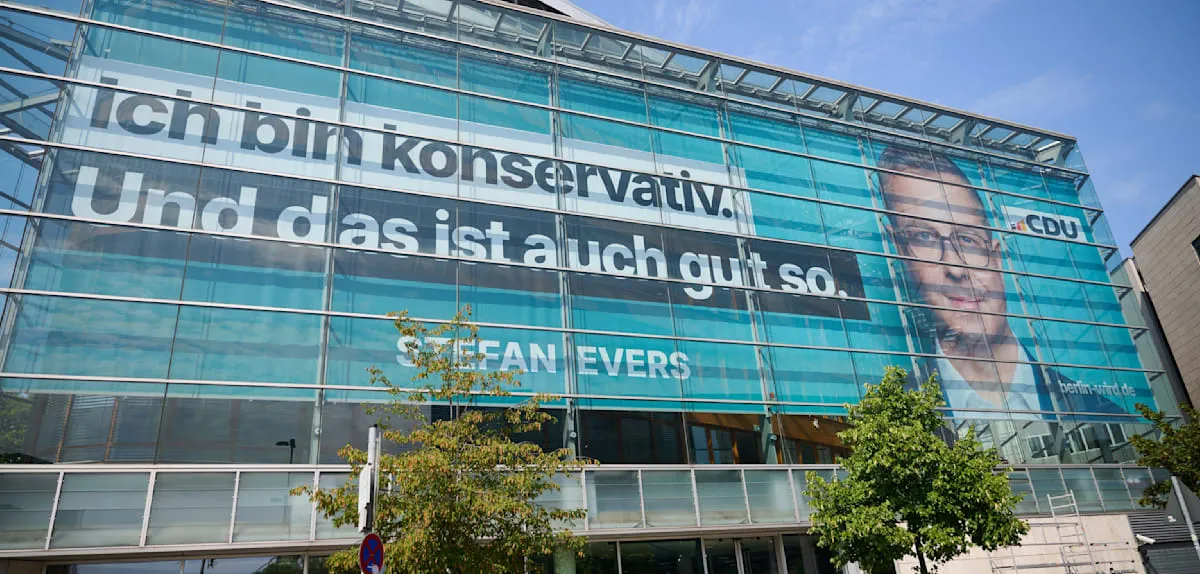
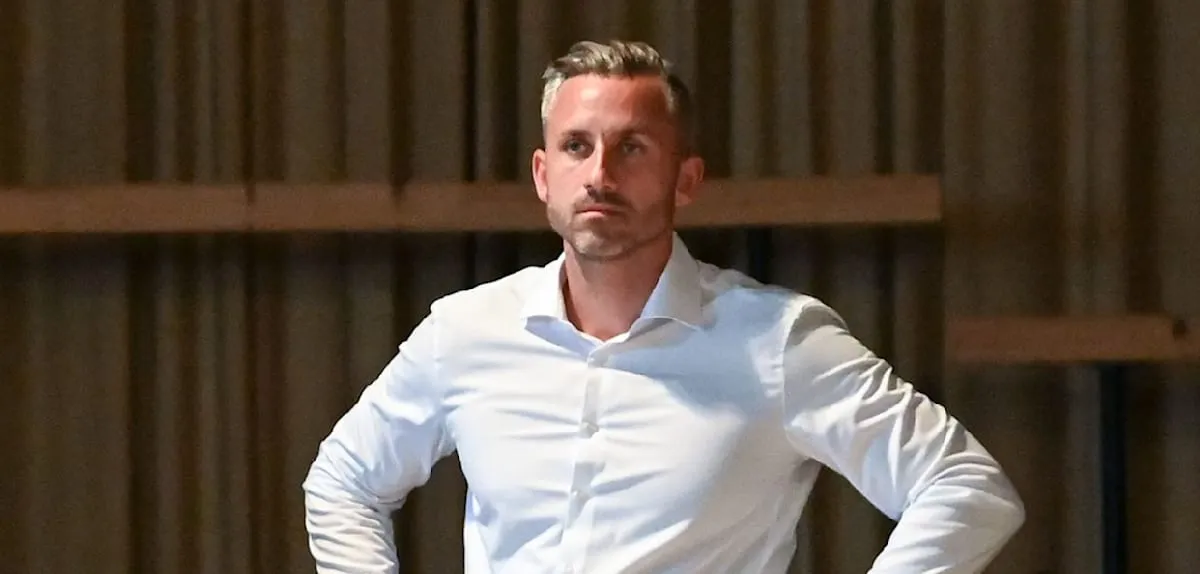
Germany — The German political stage is abuzz with a surprising maneuver by Stefan Evers, the top candidate from the Christian Democratic Union (CDU) party, who openly adopted an iconic phrase belonging to former Social Democratic Party (SPD) politician, Klaus Wowereit. Evers' declaration, "Ich bin konservativ. Und das ist auch gut so" (I am conservative. And that's a good thing), in 2026 immediately sparked controversy and strong reactions from the SPD, marking a new chapter in ideological rivalry ahead of various national political agendas.
The phrase was first popularized by Klaus Wowereit, the highly respected former Mayor of Berlin from the SPD, in the early millennium. The sentence became a hallmark describing the progressive and bold identity attached to Wowereit's personality and the Social Democratic party broadly. Its use by a key CDU figure has now ignited a fierce debate about originality and political ethics.
Stefan Evers, who holds a strategic role in the CDU's political landscape, used this phrase as an affirmation of his political identity. He seemingly wanted to assert that being conservative is not a weakness, but a value worth taking pride in, within the context of modern political narratives that often demand adaptation. His statement was made during a public occasion that garnered national media attention.
The SPD's reaction was swift. Various party leaders immediately launched scathing criticism, accusing Evers of "narrative hijacking" or "unauthorized appropriation." One senior SPD spokesperson, who preferred to remain anonymous, commented, "This shows that the CDU is running out of original ideas. They are forced to borrow slogans from rival parties that actually represent opposing values."
Political observers in Berlin view Evers' move as a bold, even risky, strategy. Professor Lena Schmidt from Humboldt University, an expert in political communication, stated, "Evers might be trying to attract moderate voters who are tired of extreme polarization. However, this could also backfire, alienating the CDU's traditional conservative base and further provoking SPD anger."
This incident also highlights the fundamental differences between the CDU and SPD ideologies that have long dominated the German political landscape. The CDU, with its Christian conservative roots, focuses on stability, social market economy, and family values. Meanwhile, the SPD, with its social democratic base, emphasizes social justice, equality, and workers' rights.
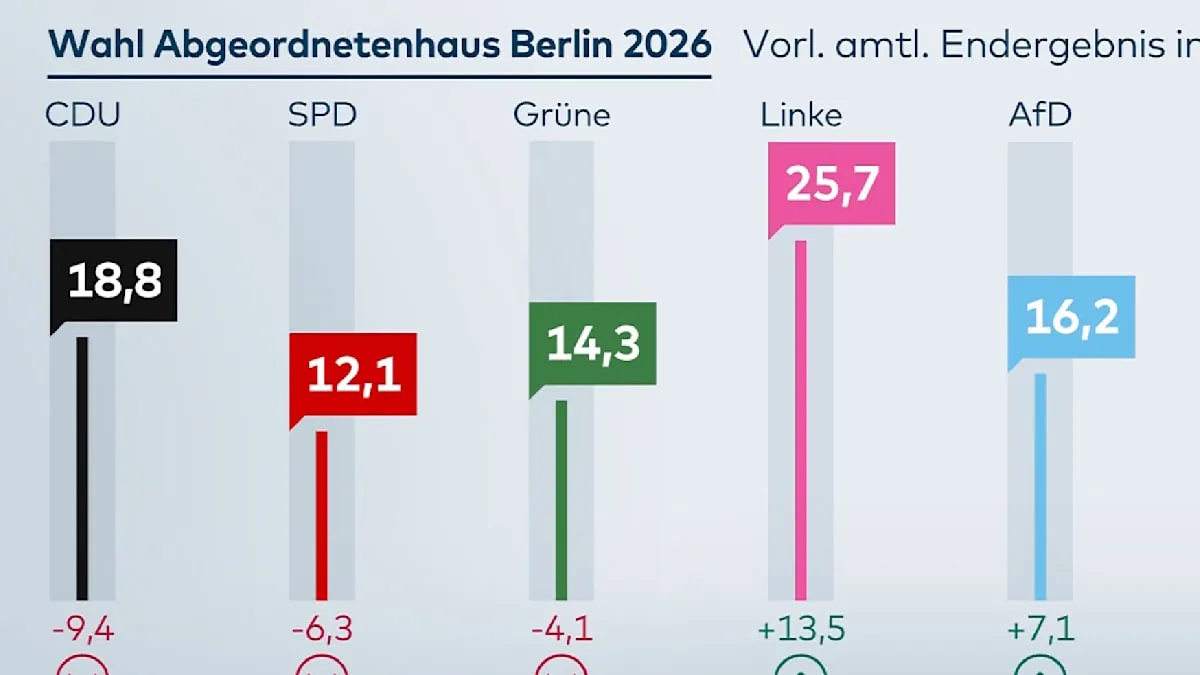
In the context of the heating up election campaign in 2026, Evers' maneuver is predicted to become one of the main discussion topics. It has the potential to shift the debate's focus from substantive issues to the realm of narrative warfare and party identity. This could either benefit or harm the CDU, depending on how they manage the subsequent narrative.
The German public has shown varied responses to this controversy. Initial social media surveys indicate that some are surprised, while others view it as a common political tactic. It is important to see how voters, especially the more pragmatic younger generation, will interpret this slogan "hijacking" in the context of seeking credible leaders in 2026.
This controversy also recalls the CDU's own internal dynamics, where friction over the party's direction is often discussed. Previously, sensitive issues such as the handling of migrant deportations in some cities, as occurred in Cologne, had sparked internal and external party anger, demonstrating the CDU's vulnerability to sharp criticism. Cologne Authorities Accused of Deliberately Thwarting Deportations, Inciting CDU Anger.
Looking ahead, this slogan controversy is expected to continue fueling political discussions in the coming weeks. This is not just a battle of words, but also a battle over who has the most right to define political values in Germany. Consistency and originality are now under sharp scrutiny for all candidates ahead of the crucial elections.