 Robert Andrison
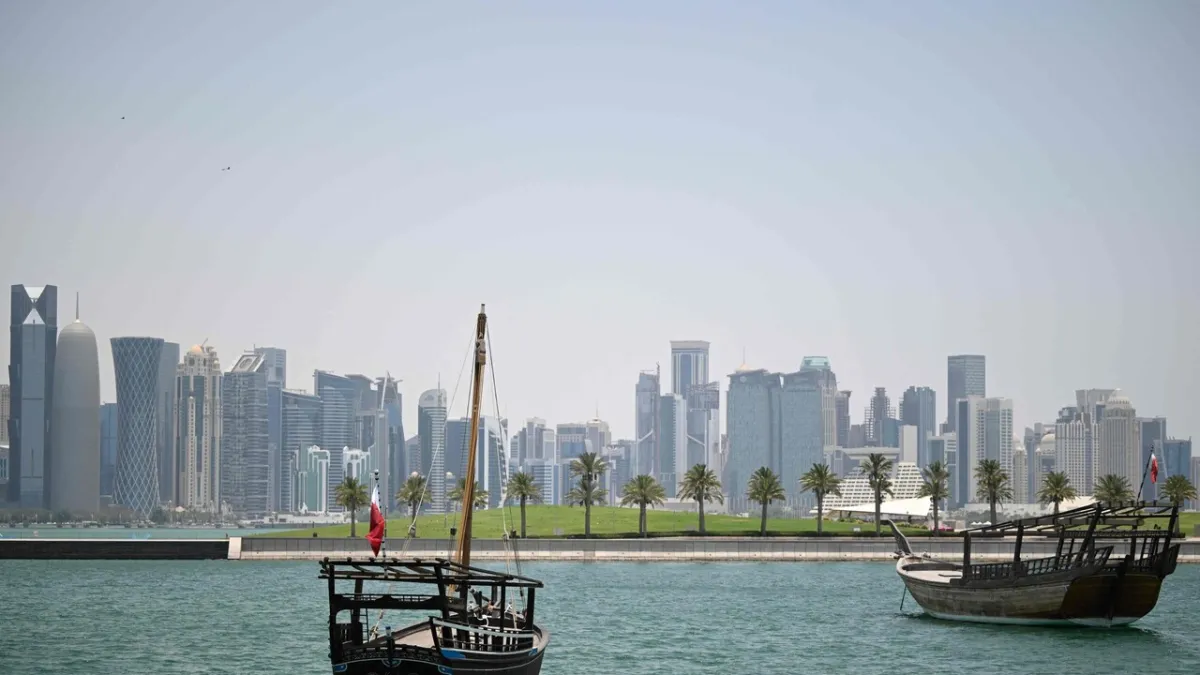
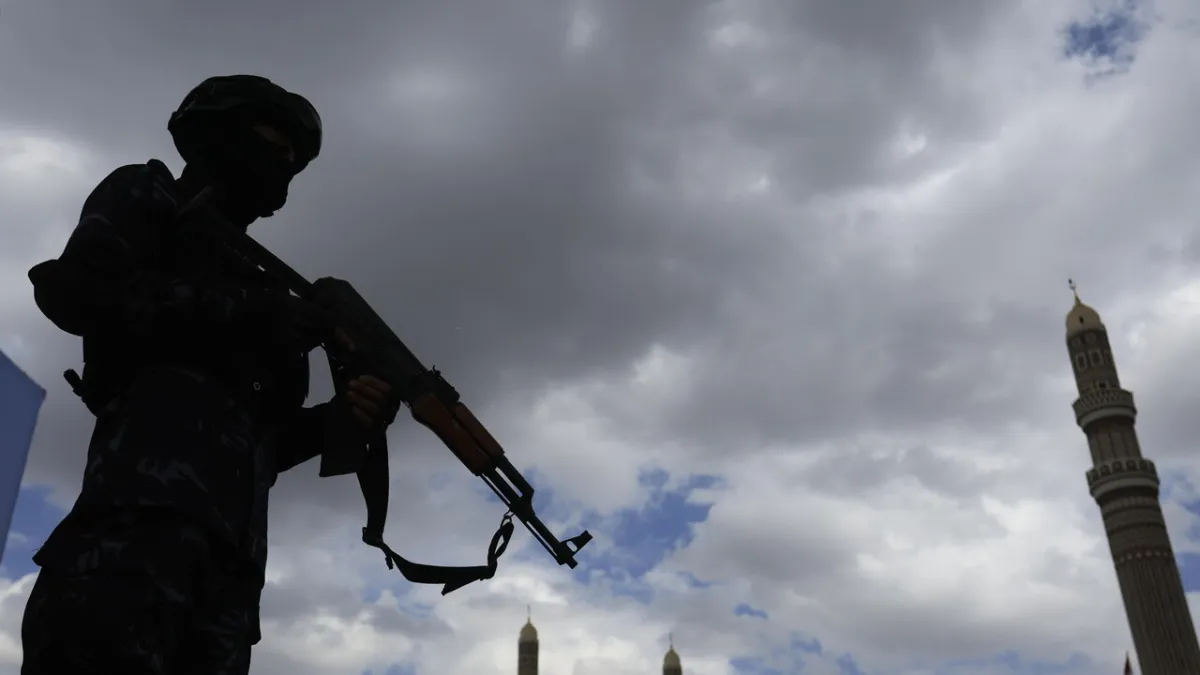
PERSIAN GULF — The Persian Gulf region flared up again in early 2026 following a dramatic military escalation involving the United States, Iran, and Israel. A series of massive US airstrikes on targets in the Gulf region have triggered a swift and firm response from Tehran, which is now reported to be launching retaliatory attacks against American military bases. This situation is further exacerbated by Israel's stated readiness to launch strikes, signaling the potential disruption of vital shipping lanes in the Strait of Hormuz and the specter of a full-scale conflict in the Middle East.
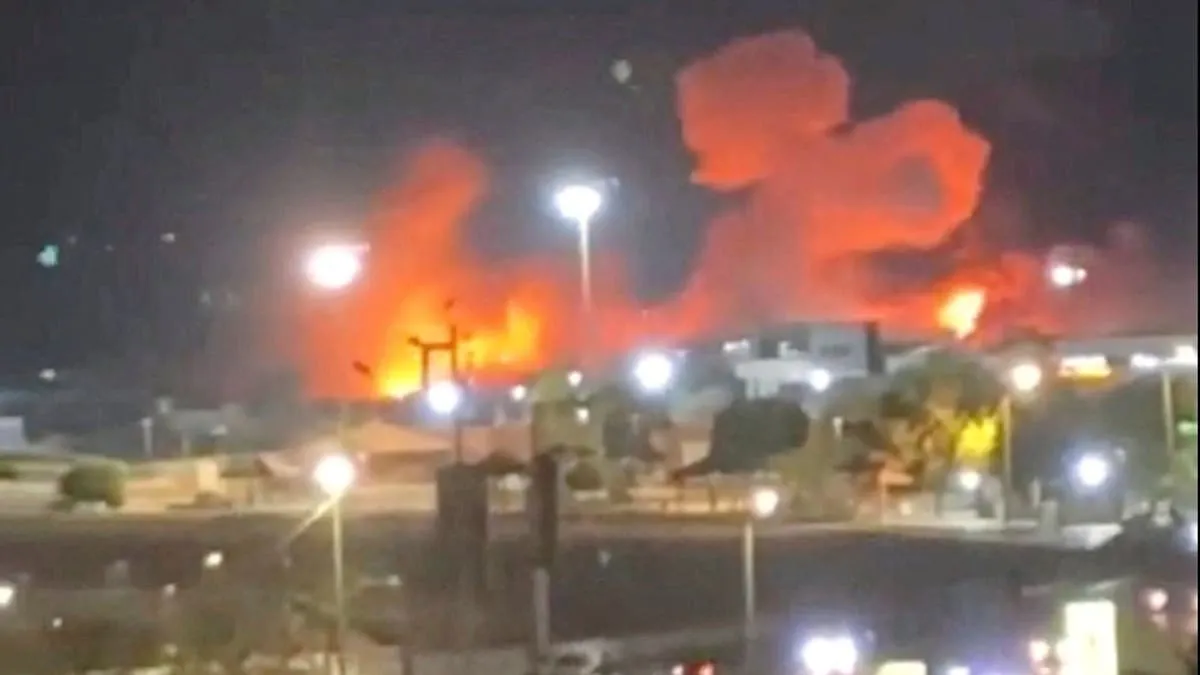
The latest escalation stems from large-scale military operations launched by the United States. Intelligence sources indicate that US strikes targeted strategic facilities which Washington accused of being linked to Iran's regional destabilizing activities.
The US attacks, involving advanced air and naval assets, caused widespread alarm across the region. Washington affirmed that its actions were a proportional response to perceived threats against its interests and the security of regional allies.
It did not take long for Tehran to respond. The Islamic Republic of Iran, through an official statement from the Islamic Revolutionary Guard Corps, announced that it had launched retaliatory attacks against several US military bases in the Gulf. These attacks were claimed as a form of self-defense against foreign aggression.
Details regarding the type and scale of Iran's retaliatory attacks remain unclear, but initial reports mention the use of short-range ballistic missiles and drones. The condition of personnel and infrastructure at the targeted US bases could not be independently confirmed.
Concurrently, tensions further escalated with a statement from Jerusalem that Israel is prepared to launch military operations. Israel has long expressed concerns about Iran's nuclear program and regional influence, viewing it as an existential threat requiring decisive action.
The greatest threat from this escalation is the potential closure or severe disruption of the Strait of Hormuz. This narrow strait is the world's most important shipping lane for oil, transporting about one-fifth of the total global oil supply. A Hormuz blockade would trigger an unimaginable global energy crisis.
The fragile geopolitical situation in the Gulf has caused global crude oil prices to surge sharply in recent hours. Market analysts predict this crisis will have long-term impacts on global economic stability, as previously discussed in the article “Threat of Iran Escalation: Global Oil Prices Ready to Soar Permanently?”.
The international community immediately called for de-escalation and restraint from provocative actions. The United Nations Secretary-General urged all parties to return to negotiations and seek a sustainable diplomatic solution.
Historically, tensions between the United States and Iran have recorded various incidents, including an era where strong rhetoric was part of the two countries' diplomacy, as captured in the news “Trump Mocks Iran's Threat: 'If I Go, You Go Too!'”. The current situation shows a more dangerous pattern with direct military action.
Regional security experts warn that this conflict could easily broaden, drawing neighboring countries and military alliances into the vortex of war. The region's already vulnerable stability is now on the brink.
Merchant ships have been ordered to increase vigilance or reroute their voyages, creating significant disruption to global supply chains. Maritime insurance has also seen drastic premium increases for vessels traversing Gulf waters.
Despite diplomatic pressure, both Washington and Tehran appear reluctant to back down from their positions. Each side insists on the righteousness of their actions and demands the other de-escalate first.
The shadow of a major war now looms over the Middle East, with potential consequences extending beyond the region's geographical boundaries. The world anxiously awaits the next steps from the conflicting powers, hoping for a way out of this military escalation.
The UN Security Council is scheduled to hold an emergency session to discuss the crisis. Diplomats are working hard to formulate a resolution that can prevent a larger regional catastrophe and restore security in one of the world's most vital economic arteries.
With the critical Strait of Hormuz under threat and increasingly heated rhetoric from the three main actors, the global community must act swiftly and decisively to prevent a full-scale conflict that could permanently alter the world's geopolitical map in 2026.