 Edward DP Situmorang
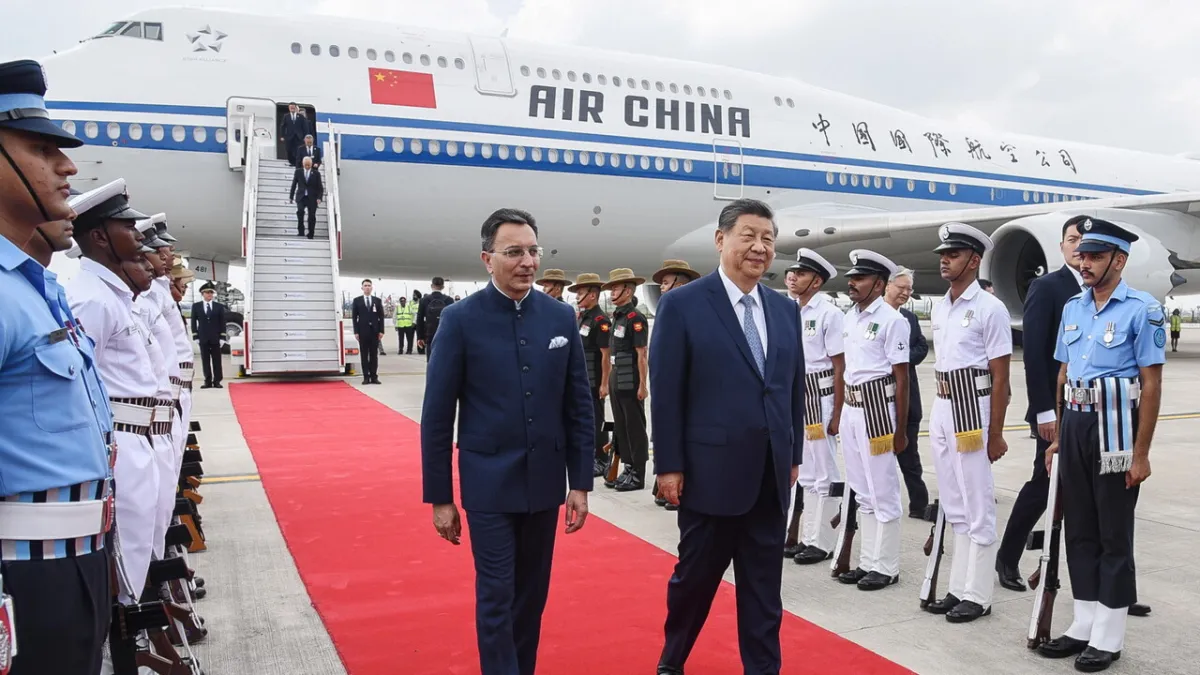
BEIJING – Chinese President Xi Jinping has urged BRICS nations to firmly oppose the imposition of arbitrary tariffs and protectionist policies in global trade. Xi delivered this call during a strategic two-day BRICS summit, emphasizing the importance of a fair and open multilateral trading system. The meeting was attended by leaders from India, Russia, and Iran, signaling a consolidation of new economic powers amidst global economic turmoil.
President Xi's keynote speech highlighted the increasing trend of unilateralism and protectionist practices by several developed nations, which have the potential to disrupt global supply chains and international economic stability. He asserted that such measures would only hinder global economic growth and exacerbate inequality.
Xi put forth a vision for BRICS – comprising Brazil, Russia, India, China, and South Africa, along with new members like Iran – as a counterbalancing force committed to the principles of free trade and mutually beneficial investment. The bloc is expected to be at the forefront of defending an inclusive economic order.
The arbitrary imposition of tariffs can trigger trade wars, ultimately harming consumers and producers worldwide. President Xi stressed that such unilateral actions run counter to the spirit of cooperation that should characterize an interconnected global economy.
BRICS countries must be staunch defenders of multilateralism and strive for an open, fair, and non-discriminatory global trading system, Xi stated, reaffirming the bloc's commitment. He added, We must reject all forms of protectionism and arbitrary penalties.
The leaders of the attending BRICS member states, including the Prime Minister of India and the President of Russia, as well as the President of Iran, also shared their views on the importance of solidarity in addressing global economic challenges. Iran's presence, as a new member, strengthens BRICS' position in the geopolitical and economic arena.
This situation is inseparable from evolving geopolitical dynamics, where nations like Iran actively champion their economic sovereignty amid international pressures. This aligns with Iranian President Pezeshkian's firm stance against US intimidation for global justice.
The meeting serves as a crucial platform for dialogue and policy coordination among member states. BRICS holds significant potential to shape a more balanced global economic narrative, challenging the dominance of traditional economic blocs.
Over the two days, the BRICS summit agenda covered various issues, ranging from strengthening financial and infrastructure cooperation to developing an independent reserve currency. All these initiatives aim to reduce reliance on existing economic systems and build more stable foundations for developing countries.
Despite their significant economic strength, BRICS also faces internal challenges of diverse interests and political systems. However, the threat of global protectionism appears to have united them in a single voice to advocate for fairer trade.
Editorial Insight: President Xi Jinping's call at this BRICS summit marks a significant escalation in rhetoric against global protectionist practices. It reflects the deep concern of developing countries regarding the potential fragmentation of the world economy driven by unilateral policies. BRICS solidarity on this issue could be a catalyst for change in international trade negotiations, although implementing concrete steps to counter major economic powers remains a serious challenge. Their success will depend heavily on their ability to align internal interests and present a strong, united front.