 Stefani Rindus
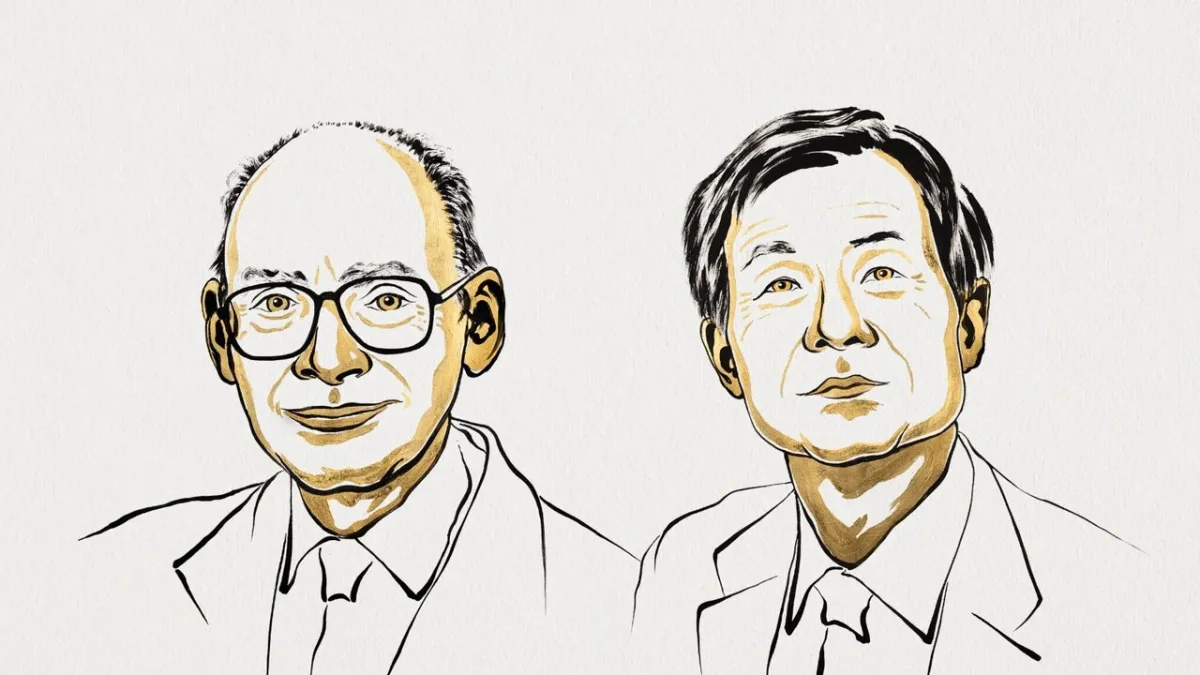
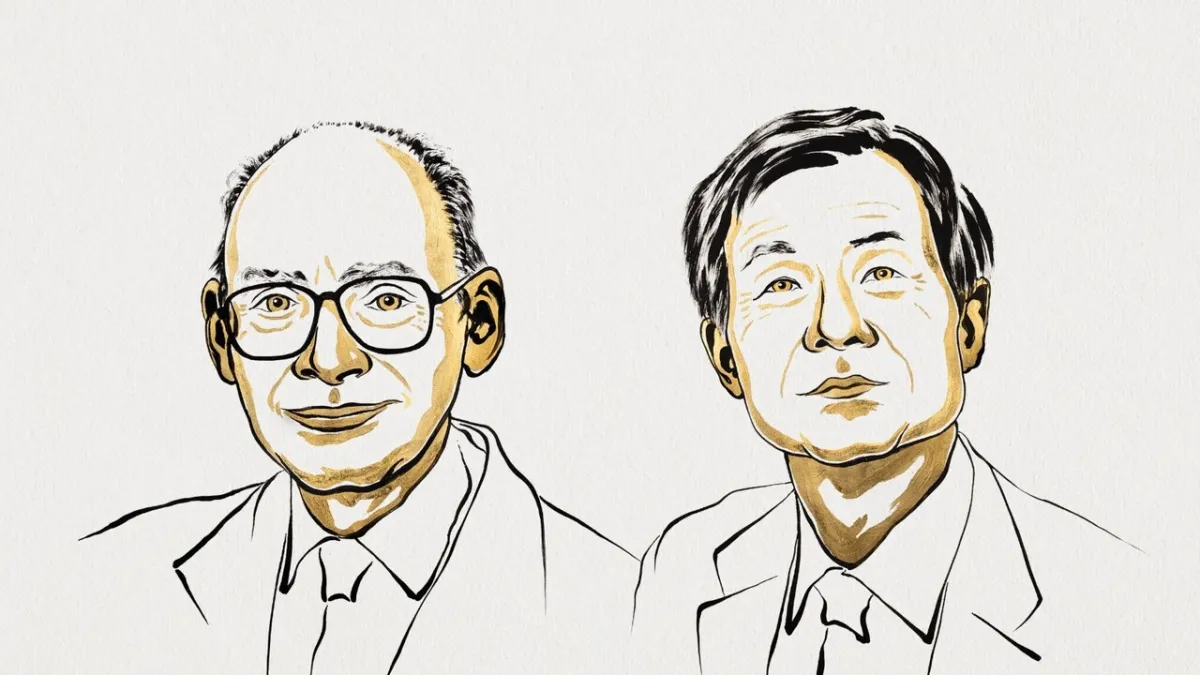
STOCKHOLM – The scientific world is once again abuzz with the announcement of the 2026 Nobel Prize in Chemistry, awarded to two distinguished scientists, Professor Kagan and Professor Soai. They received this prestigious honor for their groundbreaking discovery of the nonlinear effect of autocatalysis in organic synthesis, a mystery that has baffled chemists for over a century. The fundamental contributions of these two researchers significantly alter our understanding of complex chemical reaction mechanisms.
This discovery, recognized by the Royal Swedish Academy of Sciences, marks a crucial milestone in modern chemical research. The nonlinear autocatalytic effect, where the product of a reaction accelerates its own formation rate, has long been a subject of speculation and debate among scientists. However, a deep understanding of its nonlinear nature remained limited.
Professor Kagan and Professor Soai, through a series of innovative experiments and analyses, successfully identified and characterized this phenomenon in detail. Their research reveals how molecular interactions, seemingly simple at first glance, can lead to exponential amplification or acceleration of reactions under specific conditions.
These findings are not merely academic advancements; they have wide-ranging practical implications. In organic synthesis, autocatalysis plays a vital role in the creation of complex molecules, including pharmaceuticals, new polymer materials, and industrial catalysts.
Previously, many synthesis processes required extreme conditions or expensive, inefficient catalysts. By understanding this nonlinear effect, chemists can now design far more effective, economical, and sustainable synthesis routes.
A spokesperson for the Nobel Committee for Chemistry stated, Professor Kagan and Professor Soai have provided an elegant solution to a chemical enigma more than a century old. Their work paves the way for new breakthroughs in molecular design and the production of advanced materials. This statement underscores the revolutionary impact of their discovery.
Crucially, their contributions also open doors for further research into the origins of life on Earth. Some theories suggest autocatalysis as a key mechanism in the formation of the first complex organic molecules essential for life.
Professor Soai's research, for instance, is often associated with the study of chiral autocatalysis, a process where chiral compounds (molecules with a handedness) can catalyze the formation of more of themselves with the same chirality. This phenomenon is vital in the production of drugs that require only one specific chiral form for effectiveness.
Professor Kagan, on the other hand, is known for his work in developing new efficient reactions and catalysts, including in asymmetric synthesis. These two scientists, though perhaps with different approaches, converged at the crucial point of understanding autocatalysis.
The 2026 Nobel Prize in Chemistry not only celebrates individual achievement but also highlights the importance of bold and innovative fundamental research. It serves as a reminder that many mysteries of the universe still await unraveling.
The implications of this discovery are expected to drive world chemical breakthroughs further, particularly in the development of new materials and more environmentally friendly industrial processes.
The achievements of Kagan and Soai will inspire future generations of scientists to continue exploring the frontiers of knowledge and seeking creative solutions to global challenges.
Editorial Insight: The awarding of the Nobel Prize in Chemistry to Kagan and Soai is not merely recognition of academic brilliance, but a validation of the power of basic research in solving problems decades, even centuries, old. The discovery of the nonlinear autocatalytic effect will revolutionize not only organic synthesis but also potentially impact other fields like material science and even our understanding of complex biochemistry. This affirms that investment in pure science consistently yields invaluable dividends for the advancement of civilization.