 Dorry Archiles
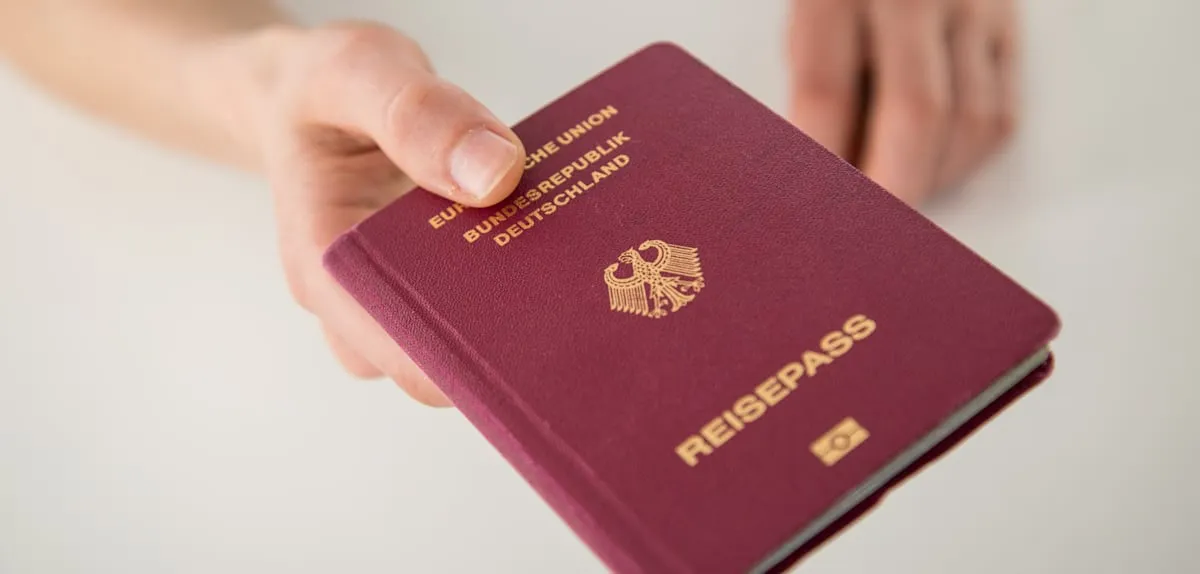
HAMBURG – Residents of Hamburg will soon enjoy a revolutionary convenience in collecting their identity documents, including ID cards, without being tied to specific appointment times at government offices. This innovation, which mirrors the successful model in Dusseldorf, allows residents to retrieve essential documents from secure collection boxes accessible at any time, whether before or after working hours, or even on weekends. This move is predicted to significantly cut waiting times and enhance the efficiency of public services.
This ambitious initiative emerges as a progressive response to the demands for efficiency and accessibility amidst a fast-paced modern lifestyle. With individuals increasingly having packed schedules, the need for flexibility in administrative matters has become critical.
The 'Ausweis aus der Box,' or 'ID from a box,' concept eliminates the need for appointments that often consume valuable time and disrupt daily routines. This system offers a breath of fresh air for busy citizens, enabling them to manage administrative obligations according to their personal convenience.
The collection box system is designed with high security standards, ensuring that only legitimate owners can access their documents. Advanced identity verification mechanisms are integrated, guaranteeing that the confidentiality and integrity of citizen data remain protected.
The success of similar models already implemented in Dusseldorf has provided a strong foundation for Hamburg's decision to adopt this system. Dusseldorf's experience has proven that such innovative approaches are not only operationally viable but also highly accepted by the community, demonstrating national scalability potential.
The Hamburg city government reaffirms its commitment to continuous innovation in public services, prioritizing its citizens. The acting mayor, in a press statement in early 2026, emphasized that digitalization is key to better and more responsive services.
Time flexibility is a significant advantage of this system. Residents can now collect their documents outside of government office hours, such as early in the morning before work or in the evening after returning home, and even on Saturdays.
This step also aligns with the broader digitalization agenda of the German government, which aims to modernize state administration and enhance digital interaction with its citizens. It is an integral part of Germany's vision to be a leader in e-government in Europe.
The potential for replicating this system in other German cities, and even other European countries, is immense. Many regions face similar challenges in managing long queues and time-consuming bureaucracy, making the Hamburg and Dusseldorf models a potential global blueprint.
This digital transformation is expected to reduce the workload of administrative staff in government offices. With document collection tasks now automated, staff can shift their focus to more complex tasks requiring human interaction, thereby improving the overall quality of service.
The use of technology such as automated collection boxes is also part of Germany's long-term strategy in addressing the demographic crisis. With an aging population and a potential reduction in the workforce, the automation of public services becomes crucial for maintaining bureaucratic productivity and efficiency.
This system also has the potential to enhance citizen satisfaction with government services. A faster, easier, and more flexible experience will strengthen public trust in the capacity of local governments to provide relevant services in the digital age. Similar to innovations in AI-based legal revolution, this proactive approach is vital.
Editorial Insight:
The introduction of an automated document collection system in Hamburg marks a significant leap forward in the evolution of modern bureaucracy. It is not merely an efficiency improvement but a reflection of local governments' commitment to adapting to citizens' needs in the digital era. The potential to reduce queues, enhance accessibility, and save time is fundamental. The success of this initiative will not only improve the experience for Hamburg residents but also set an important precedent for other cities striving to revolutionize their public services for a more efficient and citizen-centric future.