 Chris Robert

ROME – Over 3,800 schools across various regions are facing a wave of simultaneous bomb threats. Despite this, the government has firmly stated that teaching and learning activities must continue, refusing to yield to disruptive attempts clearly aimed at disrupting vital public services. These threats reportedly bear the signature of 'Antropov'.
This crucial decision was made after a series of in-depth security evaluations by relevant agencies. The government believes that allowing such threats to successfully halt educational activities would set a dangerous precedent for social stability and national operations.
'We will not allow threats, whether real or mere bluffs, to cripple our education system. Children are entitled to continuous education,' said a government spokesperson who declined to be named, emphasizing the commitment to the continuity of public services.
The identity of 'Antropov' remains under intensive investigation by security authorities. The pattern of these widely disseminated threats indicates a coordinated attack, potentially utilizing digital platforms for broader reach, targeting educational infrastructure.
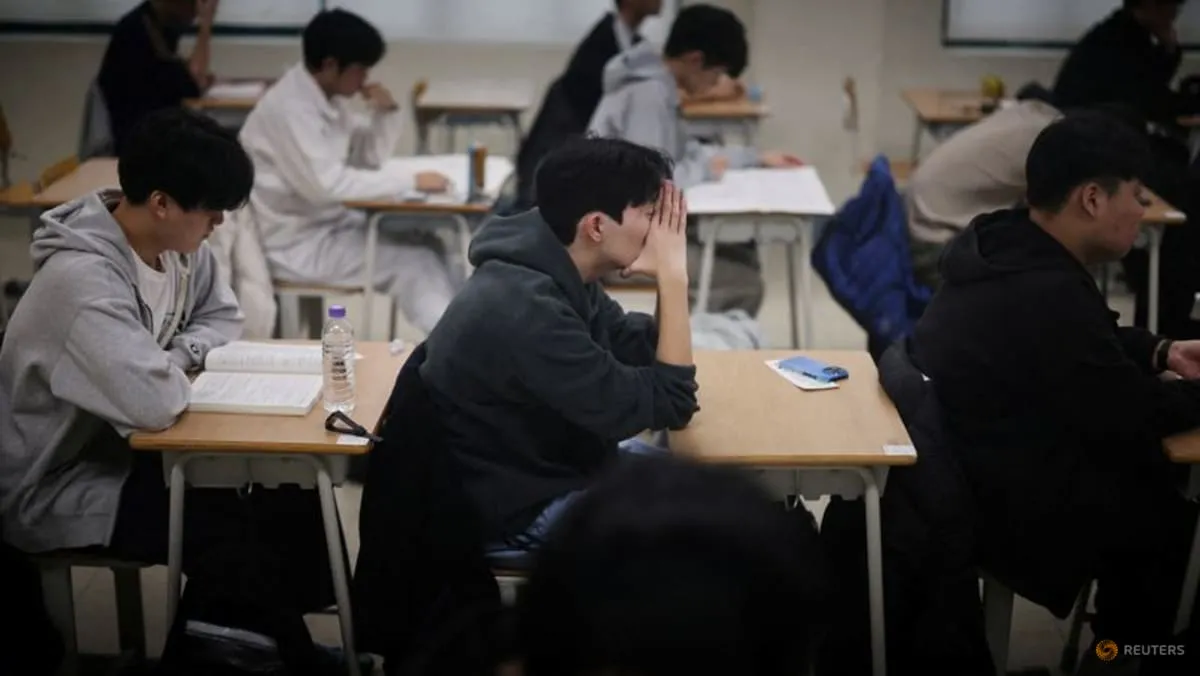
This wave of threats has naturally caused concern among parents, students, and teaching staff. However, the clear instructions from the government aim to calm the situation and prevent mass panic that could exacerbate conditions.
Local security forces immediately increased patrols and surveillance around the targeted school areas. Bomb disposal teams and K-9 units are on standby to respond swiftly and professionally to any reports requiring physical verification.
The authorities also emphasized the importance of maintaining a normal atmosphere for students. A stable learning environment is considered crucial, especially in addressing potential psychological stress arising from these threats, to safeguard the mental health of students.
This incident adds to a long list of digital security challenges faced by various countries, underscoring the importance of a 72-hour emergency preparedness for global cyber threats. Patterns of attacks targeting critical sectors are becoming increasingly frequent.
Support from civil society, educational organizations, and the media is highly needed to ensure the smooth continuation of the teaching and learning process amidst this uncertain situation. Some parents expressed understanding of the government's decision, while others remain anxious.
The government reiterated its determination to track down and take firm action against the perpetrators behind these threats, guaranteeing the safety of educational facilities and the future of the younger generation. National solidarity is key to overcoming these times.
Editorial Insight: This wave of bomb threats against thousands of schools is not merely a test of physical security, but also a battle of narratives against disinformation and psychological terror. The government's decision to keep schools open reflects a dual strategy: maintaining vital state functions while refusing to succumb to pressure. The biggest challenge lies in the authorities' ability to distinguish real threats from hoaxes, ensuring a swift response without causing panic, while uncovering the mastermind behind 'Antropov' who potentially has larger motives and a wider network.