 Angel Doris
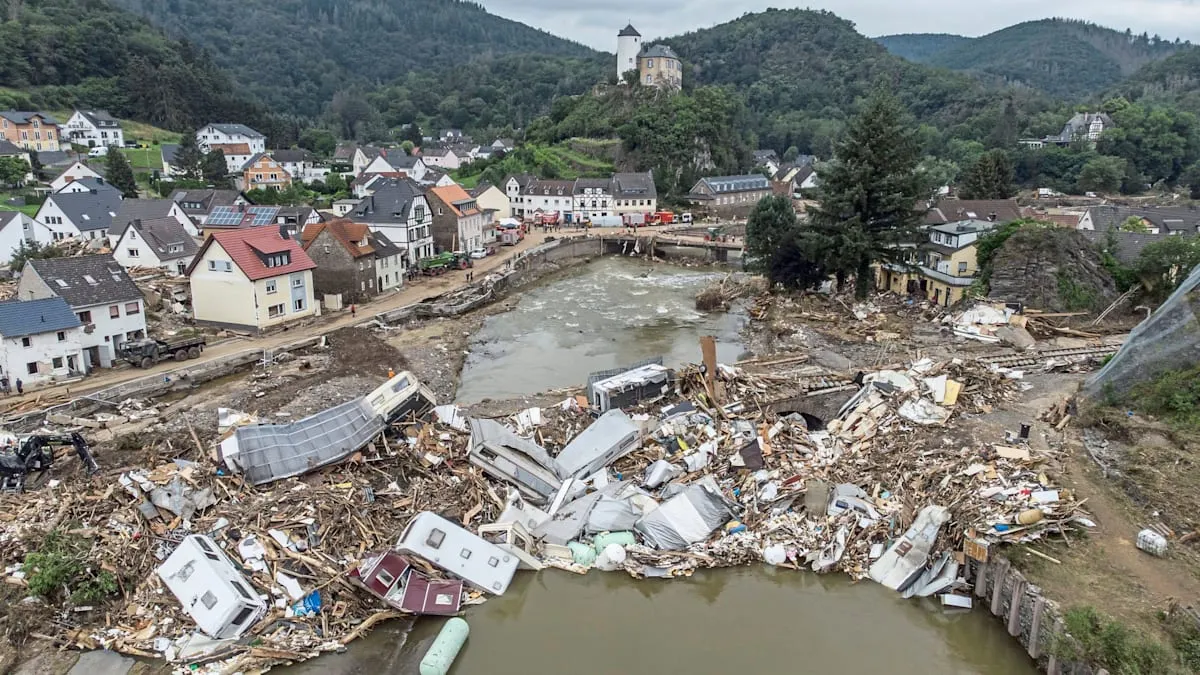
AHRTAL — Five years after the devastating flash floods tore through Germany's Ahrtal valley in 2021, communities and survivors continue to grapple with profound trauma and loss. The fifth anniversary of this tragedy, occurring in 2026, reopens old wounds, despite significant progress in physical reconstruction efforts.
The grim event claimed over 130 lives and left a trail of severe destruction in towns and villages along the Ahr River. Homes were destroyed, vital infrastructure collapsed, and the lives of thousands of residents were drastically altered overnight.
During the solemn commemoration, Chancellor Friedrich Merz was present to show the government's support for the victims. He called for continued national solidarity and acknowledged that the healing process, both physical and psychological, requires time and long-term commitment.
“Although new buildings have risen and bridges have been repaired, we know that many hearts have not fully recovered. The spirit of togetherness shown by the people of Ahrtal then is an inspiration to us all,” Merz stated in his speech.
However, behind the facade of rebuilding, economic and social challenges still loom. Many affected families are still struggling to rebuild their lives, facing rising living costs and difficulties in accessing essential services.
As highlighted in the article “Millions of German Families Face Financial Disaster, Minimal Protection in Crucial Times”, financial crises often follow large-scale disasters, prolonging the suffering of victims.
Infrastructure reconstruction is indeed underway, but the costs are enormous. Federal and state governments have disbursed billions of euros, yet project complexity and bureaucracy often slow the process.
A number of urban experts are also urging the government to reconsider development models in disaster-prone areas. They propose more sustainable and climate-resilient long-term solutions, similar to discussions raised in the article “Habeck Initiates Costly Transformation of German Cities Post-Controversial Climate Actions”.
Local psychologists report an increase in cases of post-traumatic stress disorder (PTSD) and depression among Ahrtal residents. Mental health support is crucial but often inadequate to meet the scale of need.
Volunteers and non-profit organizations continue to play a vital role in helping communities recover, from providing food to emotional support. The spirit of 'Anpacken' or mutual assistance, which characterized the post-disaster response in Ahrtal, remains alive.
This five-year commemoration is not just a reflection of the past, but also a reminder of human resilience and the importance of preparedness for future extreme climate change. Ahrtal stands as a symbol of Germany's steadfastness in facing unexpected challenges.