 Dodi Irawan
MACQUARIE ISLAND – Australia has surprisingly announced the withdrawal of all personnel from its research station on Macquarie Island, a remote sub-Antarctic territory. This crucial decision comes as a swift response to a significant increase in the risk of avian influenza spread, potentially causing major ecological impacts in one of the world's most pristine ecosystems. The evacuation aims to prevent potential transmission and protect the unique biodiversity of the region.
The Australian Department of Climate Change, Energy, the Environment and Water, through the Australian Antarctic Division (AAD), confirmed that the evacuation commenced after a thorough assessment of the viral threat. Although no cases of avian flu have been directly confirmed in humans or poultry at the station, this anticipatory measure is deemed vital. Authorities are concerned the virus could spread from migratory seabird populations to vulnerable local wildlife, such as penguins and seals, which are iconic to the Antarctic ecosystem.
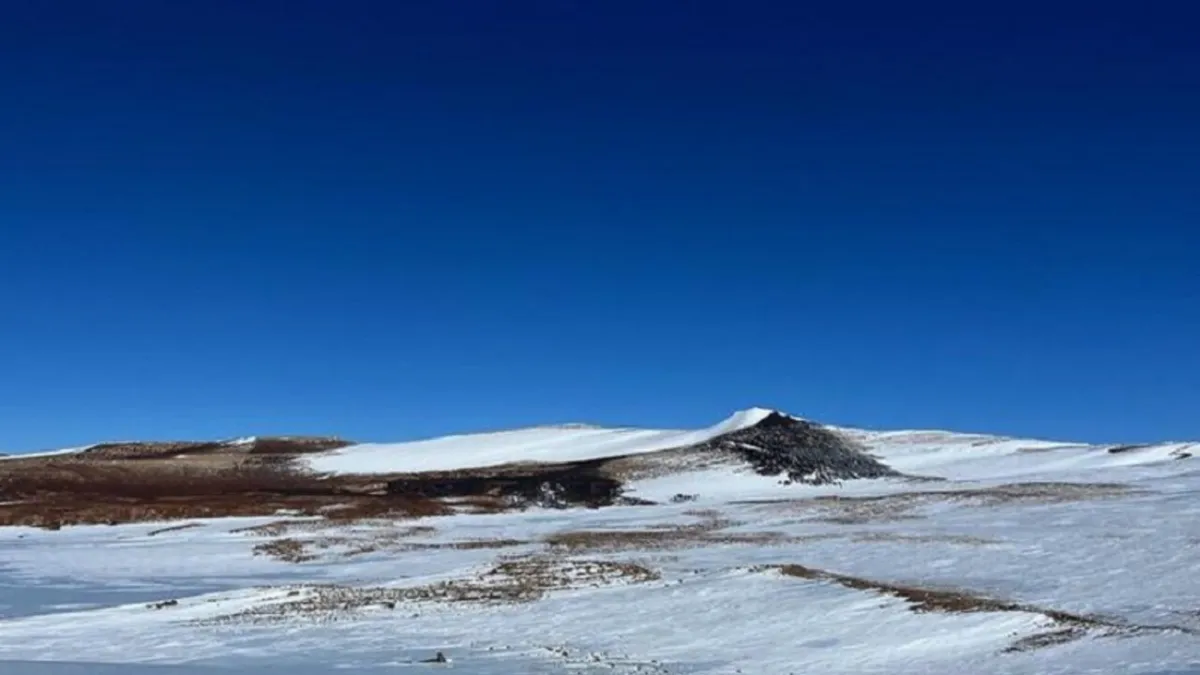
Macquarie Island, located between Tasmania and Antarctica, is a UNESCO World Heritage Site and home to millions of seabirds and large populations of royal and king penguins. The presence of a scientific research station there for several decades has been a crucial point for monitoring climate change and studying polar biodiversity. The withdrawal of researchers will undoubtedly disrupt important ongoing projects.
Professor Johnathan Reed, a virologist from the University of Melbourne, expressed his concern. The spread of avian flu in isolated environments like Antarctica could be catastrophic. The wildlife there simply lacks natural immunity to this pathogen, he stated. He added that prevention efforts are the only effective strategy given the difficulty of medical intervention in such extreme environments.
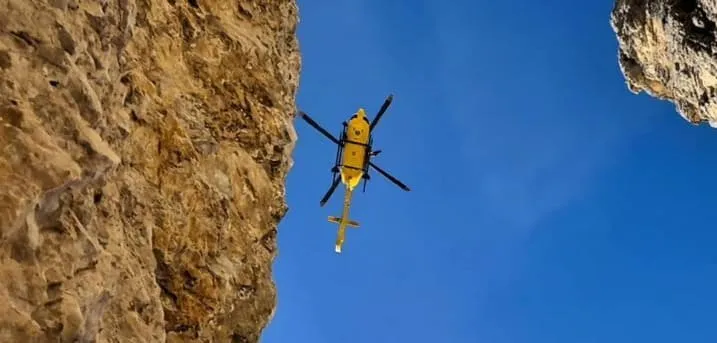
This evacuation decision reflects Australia's top priority to maintain the environmental integrity of Antarctica. The process of withdrawing personnel involves complex logistics, considering extreme weather conditions and the remote geographical location. All essential staff and equipment will be gradually pulled back using specialized research vessels equipped with strict biosecurity protocols.
Similar incidents have occurred in various parts of the world, where avian flu outbreaks have caused significant impacts on bird and wildlife populations. Antarctica, with its fragile ecosystem, faces an even greater risk due to dense animal populations and the lack of natural predators for some species. Caution is paramount.
The long-term impact of a potential avian flu spread in Antarctica could be devastating. Beyond mass animal fatalities, it could lead to disruptions in the food chain and ecological balance already under pressure from global climate change. Therefore, this proactive step is not merely protection but a long-term investment in the sustainability of polar ecosystems.
The Australian Government asserts that rigorous monitoring will continue for Macquarie Island and other sub-Antarctic territories. Special teams will be assigned to collect environmental samples periodically, even without the presence of full-time research personnel. This ensures early detection if the virus does spread further.
This action also raises questions about the future of scientific research in remote areas. How can the scientific community continue crucial studies while confronting evolving global pandemic threats? This presents a new challenge for research institutions worldwide operating in vulnerable locations.
The withdrawal does not signify a complete cessation of Australian activity in Antarctica. Operations at the main stations of Casey, Davis, and Mawson will continue with enhanced biosecurity protocols. The current focus remains on isolation and risk mitigation at Macquarie Island to prevent the threat from spreading to the broader Antarctic continent.
Editorial Insight:
Australia's decision to evacuate researchers from Macquarie Island is a concrete manifestation of global concern over pandemics and their environmental impact. This is not just about avian flu; it is also a response to the increasing fragility of polar ecosystems. The move demonstrates that environmental protection sometimes must override short-term research interests to ensure long-term sustainability. This event should serve as a lesson for other nations with research bases in remote areas possessing unique and vulnerable biodiversity.